
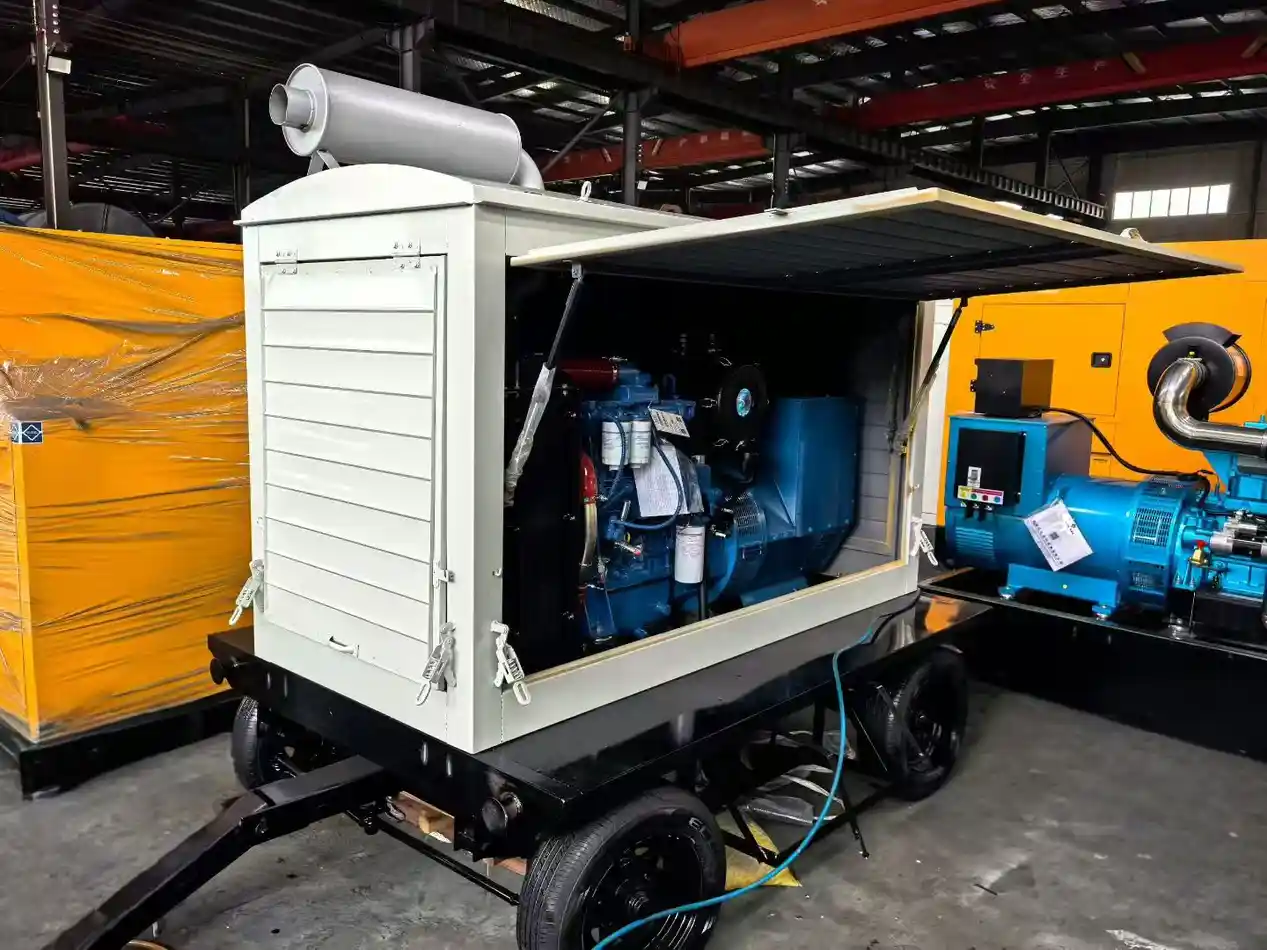
Diesel Generator Troubleshooting: How to Find and Verify a Fault
Troubleshoot a diesel generator by identifying the first failed stage: start permission, cranking, combustion, sustained running, electrical generation or power transfer. Record the first alarm and operating condition, make the system safe, and use test findings to select the repair. A running engine does not prove that the building has usable power.
This guide helps facilities teams collect evidence and scope professional repairs. Intrusive electrical, injection and internal-engine tests require qualified service personnel and the exact equipment manuals.
1. Stop Damage and Record the First Fault
Stop for fuel spray, arcing, overspeed, severe knocking, low-oil-pressure shutdown or dangerous exhaust leakage. Follow the site emergency procedure. Do not defeat protections or repeatedly restart a unit after a serious trip.
Before hands-on work, prevent automatic and remote starting, isolate relevant energy sources and verify the safe condition. A stopped engine can still have energised chargers, terminals or transfer equipment. Never remove a hot cooling-system pressure cap. Photograph the first alarm and retain the event order before reset.
2. Route the Symptom to the Right System
| Failed stage | Safe information to record | Professional investigation |
|---|---|---|
| No crank or slow crank | Mode, start demand, click/rotation and alarms | Start permissions, battery performance, cable drop and starter circuit |
| Cranks but will not fire | Refuelling/filter history, fuel indication and full code | Fuel delivery, starting aids and mechanical condition |
| Starts then shuts down | First alarm and elapsed time before/after load | Actual operating fault versus sensing/control defect |
| Overheats on a long run | Load, run duration, displayed temperature and visible leaks | Cooling airflow, circulation and installation |
| Runs without building power | Generator readings, breaker and ATS indications | Generation, switching and distribution as separate stages |
| Trips on a motor start | Exact load, restart order and protective trip | Transient demand, capacity and protection coordination |
Read normal displays and observe from a safe position. A fault chart selects the next test; it cannot establish a root cause from a symptom alone.
3. Distinguish No Crank from Crank-No-Start
Silence, a click and slow engine rotation require different checks. Establish whether the controller issued a start demand and whether a shutdown or emergency-stop condition inhibits it. A battery replacement cannot resolve an absent start command or a faulty charger.
When the engine cranks without firing, record a recent empty tank, fuel delivery, filter change, ambient conditions and complete diagnostic codes. Priming and cold-start procedures are engine-specific. Do not loosen high-pressure injector lines or use unapproved starting fluid. Cummins serial-number-based service information helps identify the relevant engine procedure.
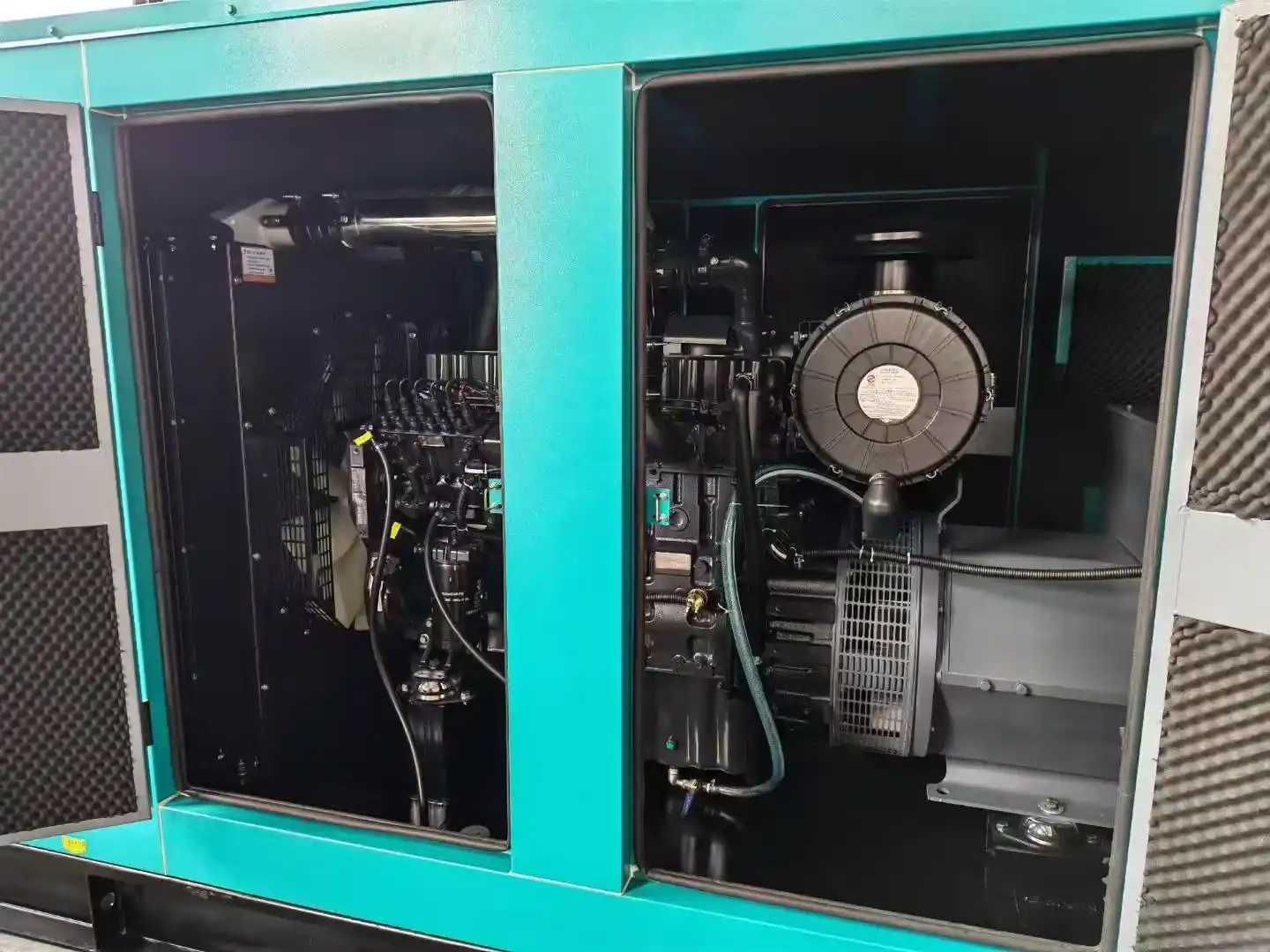
4. Investigate Shutdown, Cooling and Smoke in Context
Separate the initiating alarm from alarms created as the engine stops. A possible sender fault is not permission to ignore an oil-pressure or temperature shutdown. The technician needs to compare the indicated condition with appropriate service tests.
For temperature problems, note load and duration. Restricted ventilation or hot-air recirculation can make an installation overheat even when the radiator appears intact. A brief unloaded run may never reproduce the problem. Report recurring coolant loss; topping up alone does not explain it.
For smoke, record colour, temperature, load, persistence and changes in oil/coolant consumption. Smoke can guide air, fuel and mechanical checks, but colour alone does not justify an injector, turbo or cylinder-head replacement.
5. Separate Generation from Transfer and Load Problems
If the engine runs but the building has no power, retain generator voltage/frequency, breaker status and ATS indications. A qualified electrician should establish where power stops in the circuit. Replacing alternator parts cannot fix an unrelated transfer or distribution fault.
If voltage and frequency move together, include speed and load behaviour in the investigation. If voltage remains wrong with stable frequency, sensing and excitation deserve particular attention. STAMFORD fault-finding documentation illustrates why alternator diagnosis includes surrounding systems. See the AVR fault guide for this narrower task.
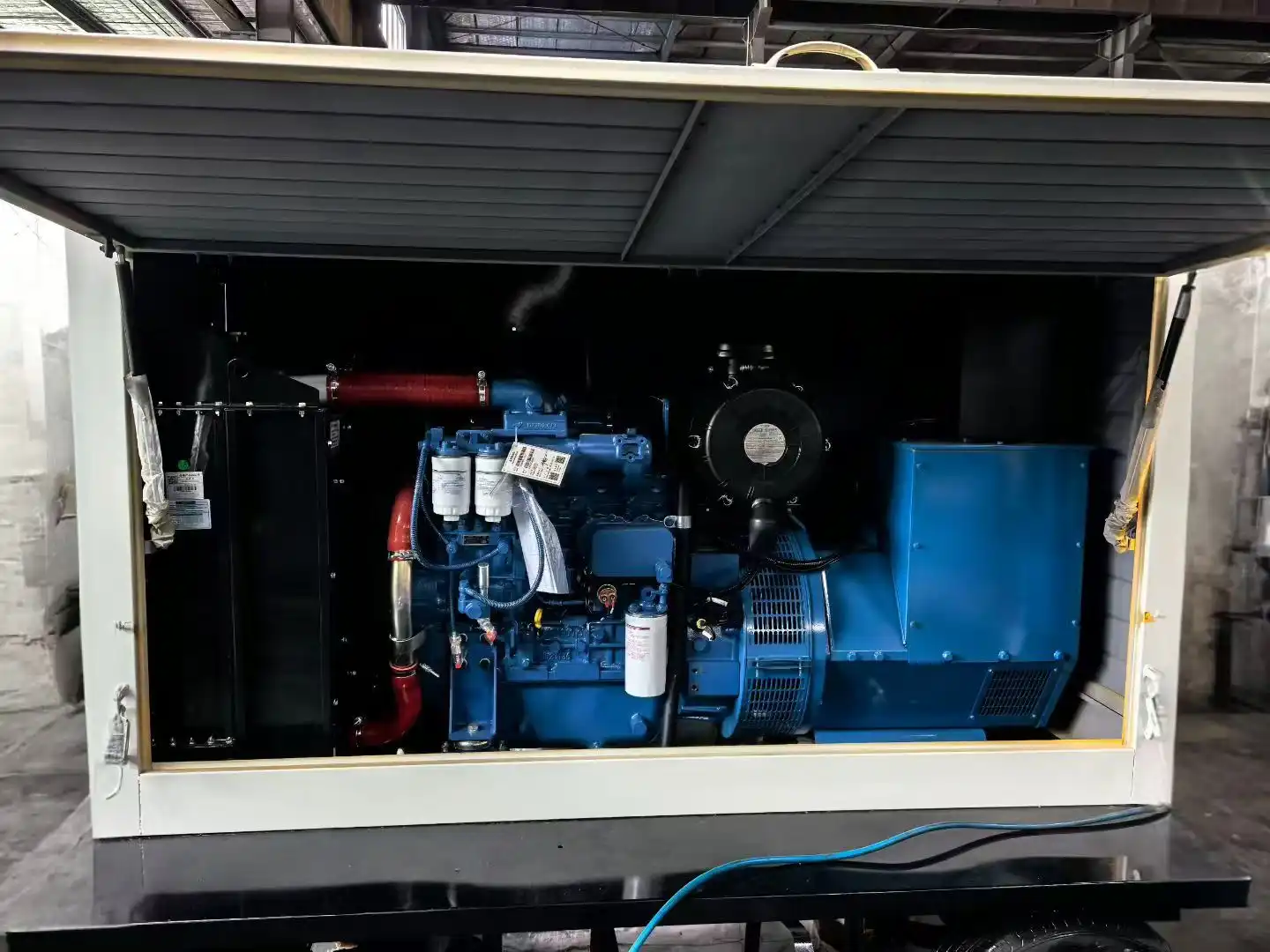
6. Worked Example: The Set Starts but Trips After Transfer
An illustrative standby set starts normally during an unloaded exercise but trips after an outage transfers the building. The first log entry identifies the trip; later entries show falling voltage and engine stop. The maintenance team should preserve that order.
- List what connected at transfer and which motors restarted together.
- Record the prior running load and exact protection that operated.
- Compare the load schedule with site-rated generator capacity and transient performance.
- Check the implicated engine, alternator or protection system under the approved diagnostic plan.
- Choose corrective work from those findings; do not prescribe a larger set solely because it tripped.
Acceptance must safely reproduce the relevant loaded sequence. Repeating an unloaded exercise would only retest the condition that already passed.
7. Agree on Repair Scope and Return-to-Service Evidence
Request an itemised quotation for diagnosis, parts, labour, travel, consumables and testing. Match replacements to exact equipment identification and approve additional work before it proceeds. Compare targeted repair, overhaul and replacement using measured condition, parts availability, changed duty and downtime consequences; no universal cost percentage makes that choice.
| Handover item | Evidence required |
|---|---|
| Cause and correction | Findings, work performed, part numbers and settings changed |
| Affected function | Recorded readings at the load and condition that triggered the fault |
| Complete standby sequence | Start, transfer, sustained run, retransfer and stop where applicable |
| Readiness | Guards restored, outstanding defects stated and correct operating mode returned |
Schedule follow-up under the maintenance plan.
Send Evidence That Shortens Diagnosis
Send generator, engine, alternator and controller identification, hours, duty, first alarm, event sequence, recent changes, load information and maintenance records. State critical-load needs and acceptable outage duration. Contact Zentramo with the equipment details and diagnostic findings for a replacement or configuration enquiry; retain local qualified service for the actual repair.