

Diesel Engine Generator Systems Matched to Real Operating Duty
Specify the engine, alternator, controller and enclosure as one power system. Zentramo helps organize projects around load behavior, standby or prime duty, 50 Hz or 60 Hz output, site conditions and the documents required for technical review.
Direct answer
What Is a Diesel Engine Generator?
A diesel engine generator combines a compression-ignition engine, alternator, control system and supporting equipment to provide dependable electrical power for standby, prime or project use.
For an accurate quotation, start with the application, access limits and required attachment—not an unverified model number.
| Decision layer | What belongs here |
|---|---|
| Known from the buyer | Required kW or kVA, load type, voltage and frequency, operating hours, installation environment and destination. |
| Configured for the project | Engine and alternator pairing, open or enclosed package, controller, cooling system, fuel system, emissions option and accessories. |
| Verified before order | Rated output at stated conditions, transient response, noise target, test report, protection settings and order-specific documents. |
What Is a Diesel Engine Generator?
A diesel engine generator combines a compression-ignition engine with an alternator, controls, protection and supporting systems. The engine supplies mechanical torque; the alternator converts it into electricity. Reliable selection therefore depends on the complete package—not an engine name or headline kVA alone.
Diesel Engine
Mechanical power and speed control.
Alternator
Voltage, frequency and excitation.
Controller
Start/stop, alarms, shutdowns and monitoring.
Package Systems
Cooling, fuel, exhaust, starting, enclosure and connections.

Choose the Package Around the Installation
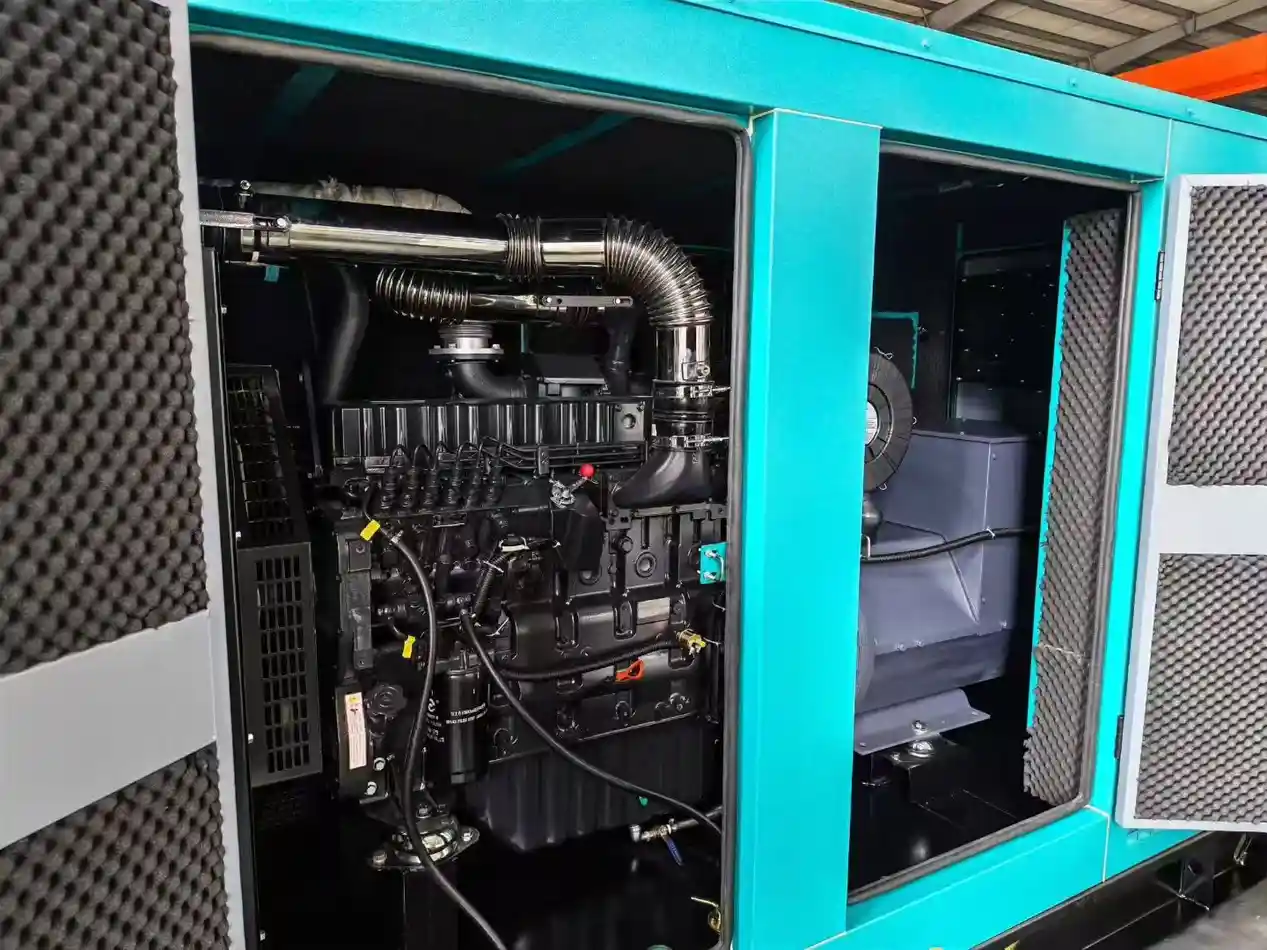
Direct access for protected generator rooms. The site must provide ventilation, exhaust routing, noise control, weather protection and safe service clearance.
Integrated outdoor and acoustic protection with service access. Compare sound data only when distance, load and measurement conditions are stated.
Mobile package for temporary or multi-site work. Confirm chassis, brakes, stabilizers, lifting, connection, fuel runtime and local towing requirements.
Larger protected system coordinating ventilation, cooling, access, controls, fuel interfaces and transport handling.
Match Mechanical Power to Electrical Output
The engine and alternator must be assessed under the same duty, frequency, ambient and load assumptions. A component that looks adequate alone can limit the assembled generator.
| Factor | Compare | Buyer Implication |
|---|---|---|
| Duty | Standby or prime rating and operating profile | Prevents emergency rating from being treated as continuous output. |
| Output | Engine net power, alternator efficiency, auxiliaries and stated kW/kVA | Checks whether the complete package supports the electrical rating. |
| Frequency/speed | 50 or 60 Hz and matched speed | A four-pole alternator typically uses 1500 rpm at 50 Hz or 1800 rpm at 60 Hz; confirm the actual design. |
| Power factor | kVA and kW at stated PF | At a common 0.8 PF, kW = kVA × 0.8; actual load characteristics still matter. |
| Starting load | Largest motor, start method, load sequence and allowable dip | Transient demand may set the required engine and alternator size. |
| Site derating | Temperature, altitude, ventilation, dust and humidity | Output can fall outside reference conditions. |
| Sensitive loads | UPS, VFD and electronic loads | Harmonics and voltage-regulation needs affect selection. |
Compare the Complete Specification, Not “the Same kVA”
| Decision | Define in the enquiry | Why it matters |
|---|---|---|
| Output | kW, kVA, voltage, phase, frequency and PF | Establishes the electrical basis. |
| Duty | Standby, prime or another documented definition | Changes permitted load and runtime profile. |
| Load behavior | Running load, largest start, sequence and allowable dip | Determines transient response and margin. |
| Transfer/control | Manual, ATS/AMF, synchronization or paralleling | Changes switchgear, control and protection. |
| Site | Temperature, altitude, dust, humidity, corrosion and ventilation | Affects derating, cooling, filtration and enclosure. |
| Fuel autonomy | Runtime, tank arrangement and refill plan | Affects package layout and continuity. |
| Noise/weather | Noise limit with measurement condition and exposure | Guides enclosure, airflow and exhaust treatment. |
| Documents/tests | Drawings, manuals, wiring, inspection and agreed load test | Defines review and acceptance scope. |
Important: Two quotations with the same headline kVA can differ in duty rating, engine reserve, alternator capability, controls, breaker, enclosure, fuel system, accessories and test scope.
Compare Running Cost Under the Same Conditions
- Same duty, output, and load percentage
- Same frequency, voltage and ambient assumptions
- Fuel consumption with units and test condition
- Operating hours and load profile
- Filters, fluids, batteries, labor and parts access
- Installation, switchgear, fuel storage and commissioning
Light commercial/small site
Largest motor, phase balance and prolonged light load often matter more than headline capacity.
Industrial/multi-load
Load sequencing, voltage recovery, fuel autonomy, ATS logic and service access shape selection and cost.
Large packaged/remote
Cooling, derating, container layout, fuel handling, synchronization, transport and commissioning become major drivers.
What Drives Standby Installation Cost?
The generator is only one part of the installed system. Site preparation, foundation, ventilation, exhaust, fuel storage, cabling, breaker and ATS work, lifting, commissioning, permits and local compliance can materially change the total. Define the supply boundary before comparing quotations.
Define running and starting loads.
Choose standby or prime duty.
Fix voltage, phase, frequency, PF, earthing and transfer.
Apply temperature, altitude, dust, humidity and noise conditions.
Agree drawings, checks, load-test scope, manuals, accessories and packing.
Keep the Approved Configuration Visible Through Production
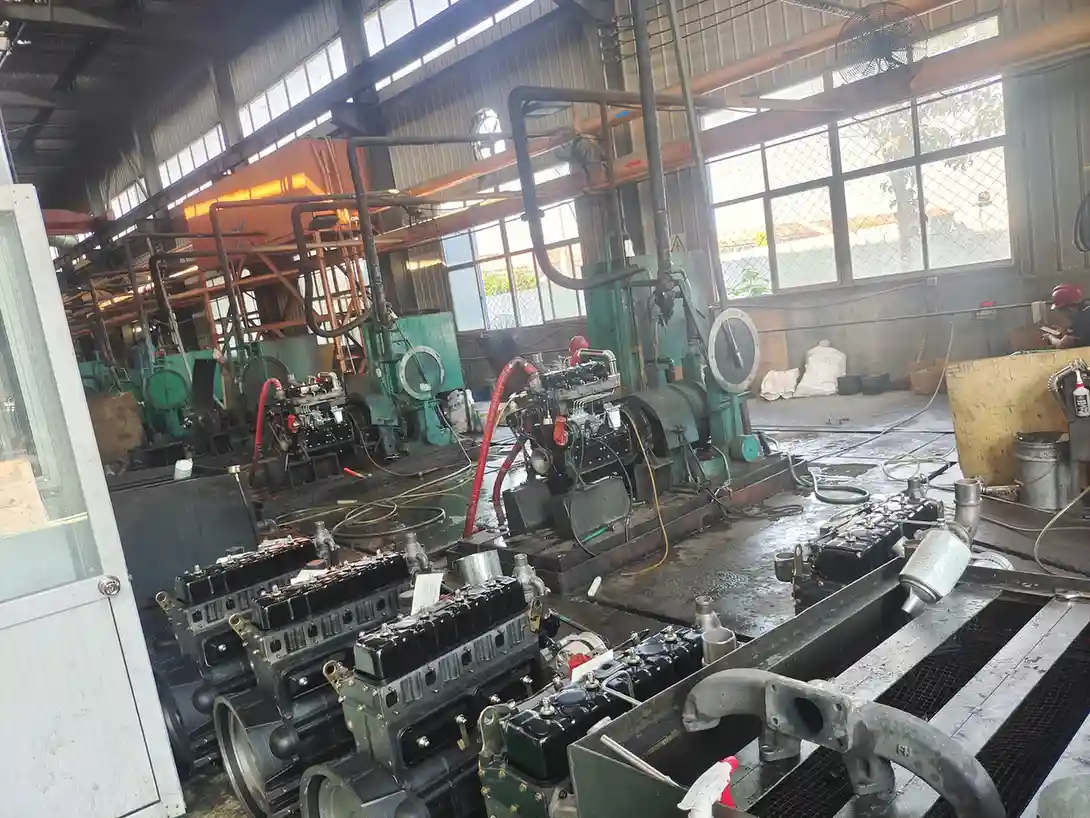
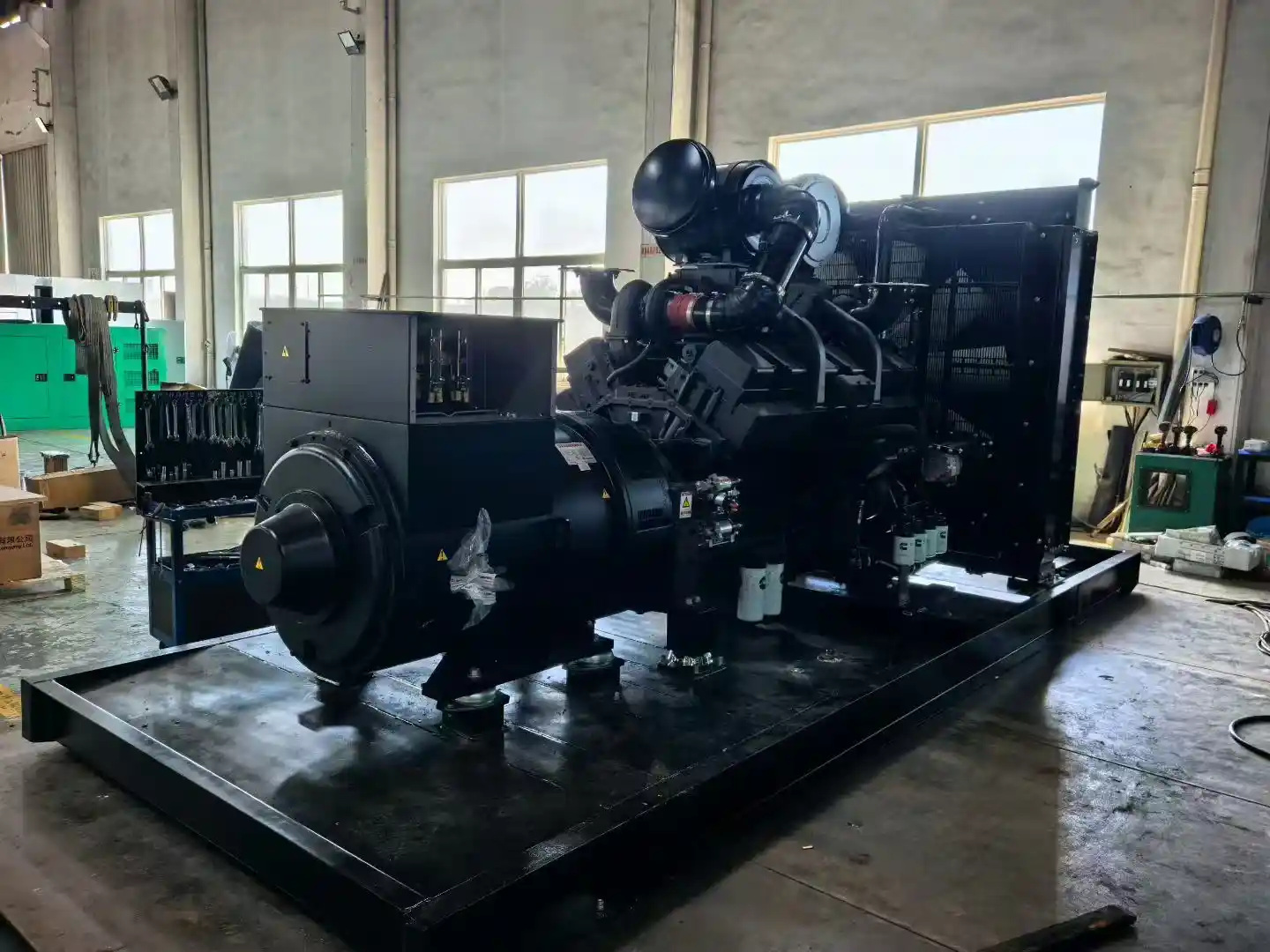
Production should follow the approved engine, alternator, controller, breaker, cooling, fuel and enclosure configuration. Clear identification helps the buyer compare the assembled package with the technical offer.
- Base frame and mounting
- Engine & alternator identification
- Coupling, alignment & guarding
- Cooling, fuel & exhaust connections
- Battery and starting circuit
- Controller, breaker & wiring
- Enclosure access, airflow & service clearance

Define the Test Scope Before the Order
Inspection is useful when buyer and supplier agree what will be checked, under which conditions and which records will accompany the equipment. Typical scope may include workmanship and identification, fluids and leaks, wiring and protection, start/stop, voltage and frequency, alarms and shutdowns, ATS logic when supplied, and an agreed load-test profile.
Confirm configuration, rating, options, load points, duration and witness method.
Record starting, voltage, frequency, operating readings, alarms and shutdown functions.
Reconcile records, manuals, wiring documents, accessories, identification and packing list.
Plan Maintenance by Calendar, Hours and Environment
Routine check
Fuel, oil, coolant, leaks, battery, charger, terminals, wiring, ventilation and exhaust clearance.
Exercise/function
Start/stop, readings, ATS when supplied, voltage, frequency, alarms, abnormal noise or smoke.
Documented service
Fluids, filters, belts, hoses, cooling and exhaust according to the selected manuals.
Note: Standby sets still need scheduled checks when hours are low. Prime-power systems need closer hour-based planning. Ask for consumables, parts references and the correct manuals; do not publish one universal interval.
Protect the Generator Through Export Delivery
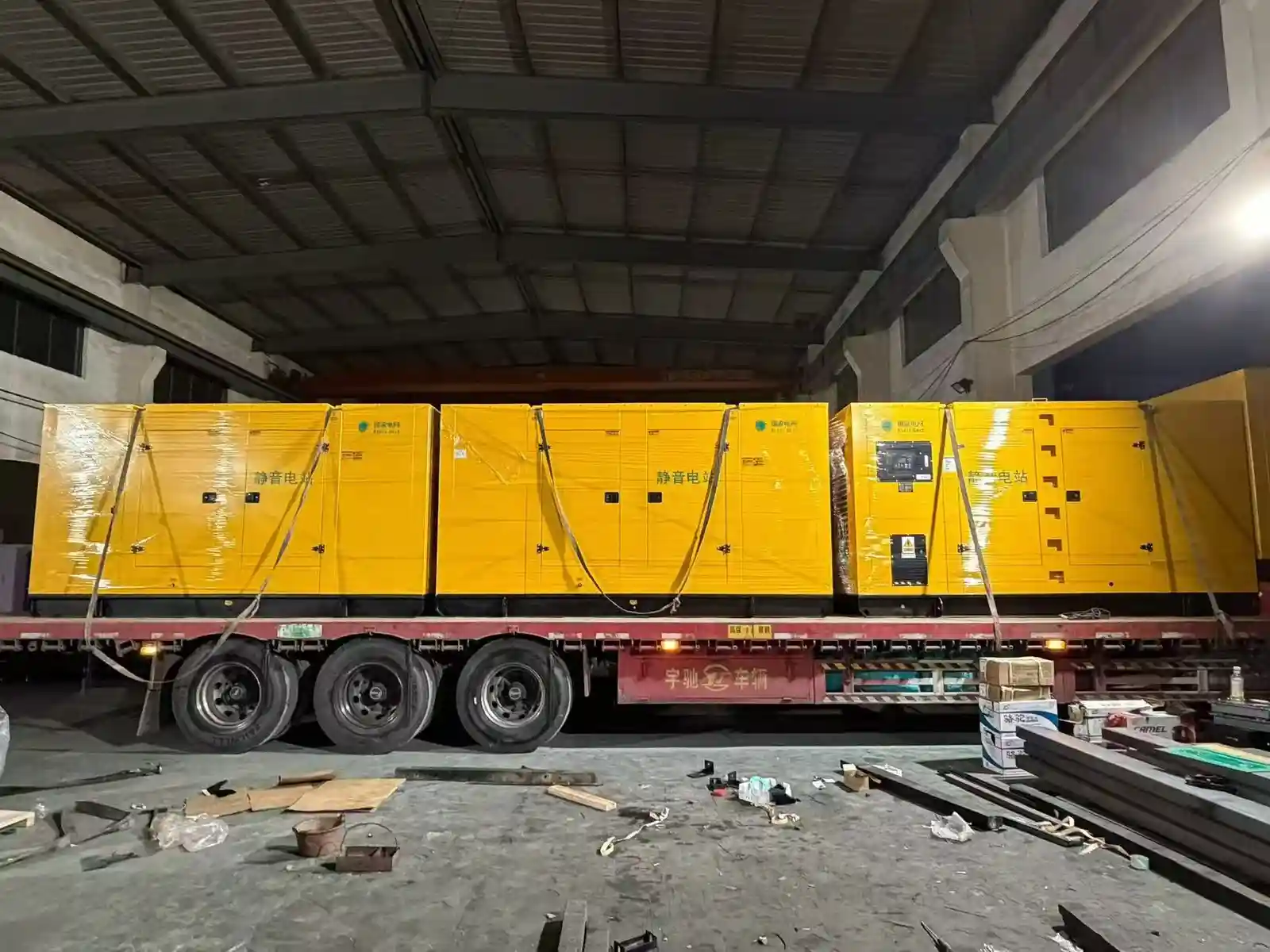
Confirm shipping dimensions and weight, lifting points, accessory count, battery and fuel transport requirements, packing method and destination documents before dispatch.
Packing check
Restraints, protective covers, loose-item packing, shipping marks and packing list.
Certificates and compliance
Verify exact document name, issuing body, model scope, validity and whether an original, copy or third-party inspection is needed. Do not accept an unrelated badge.
Factory visit or remote acceptance
Compare the assembled unit with the purchase specification, nameplate, visible workmanship, accessories, agreed records, packing and marks; record exceptions before release.
Diesel Engine Generator Buying Questions
What are the key selection factors?
How should running costs be compared across capacities?
How do I compare suppliers or engine platforms?
What maintenance tasks are common?
What affects installed standby cost?
What should I send for a quotation?
A Clearer Route from Load List to Acceptance
Project Definition
Organize load, duty, electrical basis and site conditions.
System Configuration
Coordinate engine, alternator, controls, breaker, cooling, fuel and enclosure.
Production Verification
Keep approved configuration visible through assembly and inspection.
Delivery Readiness
Reconcile tests, manuals, accessories, packing and shipping information.
Continue with the Right Generator Detail
Send the Load List Before Selecting the Engine Platform
Share the running loads, largest motor, duty, voltage, phase, frequency, site conditions, enclosure preference, ATS or control requirement, fuel runtime, destination and document needs. Zentramo can use those inputs to organize a clearer diesel engine generator specification for quotation and technical review.
A complete specification makes engine, alternator, controls, tests and delivery scope easier to compare.
Evidence before commitment
Production, Inspection and Delivery Evidence
A professional offer should connect the proposed configuration to evidence that can be checked before dispatch. Availability and document scope are confirmed for the specific order.
Production record
Configuration review, assembly checkpoints and key component traceability where applicable.
Inspection & testing
Function checks, leak inspection and order-specific test items recorded before shipment.
Certificates & documents
Required compliance documents are verified against destination and project requirements before order.
Packing & shipping
Packing method, loading photos and dispatch documents can be included in the delivery file.
Buyer visit or pre-shipment acceptance
Factory visits, remote video inspection or third-party pre-shipment checks can be coordinated when agreed. Published claims are not substituted for order-specific acceptance evidence.