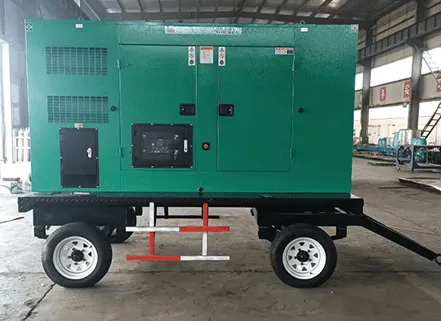
Mobile Diesel Generator for Construction and Field Power
Move dependable diesel power between jobsites with a configuration planned around load profile, towing method, runtime, connection points and local operating conditions.
Trailer or transport-ready configuration
Project-specific electrical output and connection plan
Inspection and shipment documentation prepared for review
A mobile diesel generator is a transportable engine-generator package designed for temporary, remote or changing job sites where power must move with the work.
For an accurate quotation, start with the application, access limits and required attachment—not an unverified model number.
Decision layer
What belongs here
Known from the buyer
Peak and continuous load, tow or lifting method, site terrain, runtime, voltage, frequency, noise and weather exposure.
Configured for the project
Power rating, trailer or skid base, enclosure, fuel tank, outlets, controller, lifting points and running gear.
Verified before order
Load test, braking and lighting scope where applicable, lifting points, noise requirement, protection settings and shipping documents.
What Defines a Mobile Diesel Generator?
A mobile diesel generator combines a heavy-duty engine, alternator, controls, electrical protection, and fuel arrangement onto a transport-ready base or trailer. In field deployment, "mobile" means integrating the electrical system with a dedicated transport unit to create a unified asset.
The primary advantage is that power follows changing crews and workfronts. A packaged unit simplifies repeated temporary-power deployment, while a protected enclosure and planned connections improve field organization. For fleet operators, engineered service access and well-defined lifting or towing provisions are important to maintaining uptime across multiple remote sites.
Choose Mobility Format Before Engine Brand
The method of transportation dictates the structural build. Roadworthiness, registration, braking, lighting, axle limits, and towing rules vary by destination and must be confirmed before shipment.
1. Trailer-Mounted
Designed for frequent relocation. You must confirm axle configuration, tow bar type, brakes, lighting, tire load rating, registration requirements, and match the towing vehicle's capacity.
2. Skid / Base-Frame
Ideal for crane or forklift transport and semi-fixed use. Requires confirmation of lifting points, forklift pockets, center of gravity, tie-downs, and a site handling plan.
3. Containerized
Built for heavy transport-ready needs, higher-output, or harsh sites. Requires confirmation of size, weight, ventilation, operational clearances, and heavy transport logistics.
Configure Your Mobile Diesel Generator
Treat technical parameters as project-specific confirmation fields. Define your exact requirements before finalizing the build.
What to Define
Why it Matters
Prime / Standby Duty
Determines continuous operation capability versus intermittent peak usage.
Running kW/kVA & Motor Start
Sizes the alternator to handle steady loads plus large inrush currents without voltage collapse.
Voltage / Frequency / Phase / PF
Ensures compatibility with site equipment and local grid standards.
Alternator & Controller
Dictates power quality, parallel capability, and remote monitoring options.
Breaker / Terminals / Sockets
Defines how quickly and safely site crews can distribute power to multiple tools.
Trailer / Axle / Tow Bar / Brakes / Lights / Stabilizers
Critical for legal road transport, safe towing, and stable operation on uneven ground.
Enclosure / Weather / Airflow / Acoustic Test Basis
Protects internal components and meets local noise ordinances during operation.
Fuel Tank / Shift Runtime
Matches fuel autonomy to working shifts, minimizing refueling interruptions.
Ambient / Altitude / Dust / Humidity / Rain
Requires derating calculations and specific filtration for extreme environments.
Dimensions / Weight / Lifting / Tie-Downs
Impacts crane capacity, transport costs, and securing methods on flatbeds.
Earthing / Cable Protection
Vital for operator safety and preventing electrical faults in wet or rugged conditions.
Service Access / Spares
Ensures field mechanics can quickly replace filters and fluids without removing major panels.
Destination Documents / Emissions
Confirms compliance with regional import regulations and environmental laws.
How to Size for a Construction Site
Do not simply add wattages or buy the largest unit available. Size from the load profile, starting demand, site conditions, and duty cycle. There is no universal oversizing percentage.
1
List Continuous Load
Calculate the total continuous kW/kVA required for lighting, heating, and steady-state equipment.
2
Identify Heavy Starts
Identify motors, welders, pumps, compressors, and nonlinear loads that cause significant electrical surges.
3
Record Largest Start
Record the largest simultaneous starting event and plan the sequencing order of heavy machinery.
4
Apply Derating
Apply the correct Power Factor (PF), duty cycle, ambient temperature, and altitude derating using manufacturer data.
5
Confirm Plan
Confirm the electrical, protection, cable, and connection plan with a qualified professional.
Deployment Checklist: Towing to First Load
Proper field setup prevents downtime. Always ensure installation follows the specific unit manual and local safety rules.
Check towing vehicle, route, tires, hitch, brakes, lights, and local transport rules.
Park on a level surface, deploy stabilizers, and chock wheels.
Verify ventilation, radiator, and exhaust clearances are unobstructed.
Establish proper earthing and confirm all electrical protection is active.
Route cables away from traffic, standing water, and crushing hazards.
Inspect fuel, oil, coolant levels, battery connections, and E-stop functionality.
Start unloaded, check alarms and output stability before sequencing loads.
Record operating hours, applied load, and complete the initial inspection log.
Field Features That Matter
Configurations designed to survive rough handling and continuous deployment.
Transport Chassis & Towing
Ruggedized frame interfaces with towing vehicles, ensuring structural integrity during frequent transit over uneven surfaces.
Stabilizing & Lifting
Integrated jacks, tie-downs, and central lifting eyes allow safe positioning and secure flatbed transport.
Weather & Acoustic Enclosure
Defined test ratings for noise reduction and weather ingress protect internal components in harsh environments.
Accessible Distribution
Lockable control panels and quick-connect distribution boards prevent unauthorized access while speeding up site wiring.
Matched Fuel Autonomy
Integrated tanks sized to match specific working shifts, reducing the logistical burden of constant refueling.
Maintainable Layout
Wide-opening doors provide immediate reach to filters, drains, and belts, helping technicians reach routine service points without removing major panels.
Evaluating Fuel Efficiency on a Fair Basis
Stating Liters per hour (L/h) alone is misleading across different sizes and loads. To accurately assess efficiency, compare fuel consumed per generated kWh, or compare L/h only at the exact same real kW output and load percentage.
Comparisons must use the same fuel grade, duty cycle, ambient conditions, warm-up period, and test basis. The lowest L/h figure does not necessarily equate to the lowest fuel cost for your specific required load. Use the matrix below to compare project candidates.
Candidate Model
Prime Rating (kVA/kW)
Test Load %
Real Output (kW)
Consumption (L/h)
Efficiency (L/kWh)
Test Condition / Source
Candidate A — enter comparable test data
Candidate B — enter comparable test data
Candidate C — enter comparable test data
Built for Demanding Worksite Scenarios
Construction & Civil Works
Power must follow the changing workfront. Heavy motor starts from cranes and concrete equipment require robust alternators. Skid mounts simplify crane repositioning as structures rise.
Road, Rail & Utility
Linear maintenance projects demand fast reconnection and highly mobile trailer configurations. Lighting, braking systems, axle limits, and road-towing requirements must be confirmed for the destination market.
Emergency & Shutdown
Planned facility turnarounds or disaster response scenarios require immediate load priority, extended fuel logistics, and reliable cold-start capabilities in extreme weather.
Rental Fleets
Evidence before shipment
How this mobile diesel generator order is checked
The final scope is tied to the quotation, approved specification and order-specific records. Ask for the documents that matter to your project before production release.
Production record: model identity, configuration and key interfaces are checked against the approved order.
Inspection and testing: visible condition, nameplate data, functional checks and the agreed test scope are recorded.
Certificates and documents: manuals, packing list, test records and any required order-specific compliance documents are confirmed—never assumed.
Packing and shipping: protection, lifting points, marks and shipment method are matched to destination and handling conditions.
Buyer visit or acceptance: factory visit, remote review or pre-shipment acceptance can be arranged when included in the commercial scope.
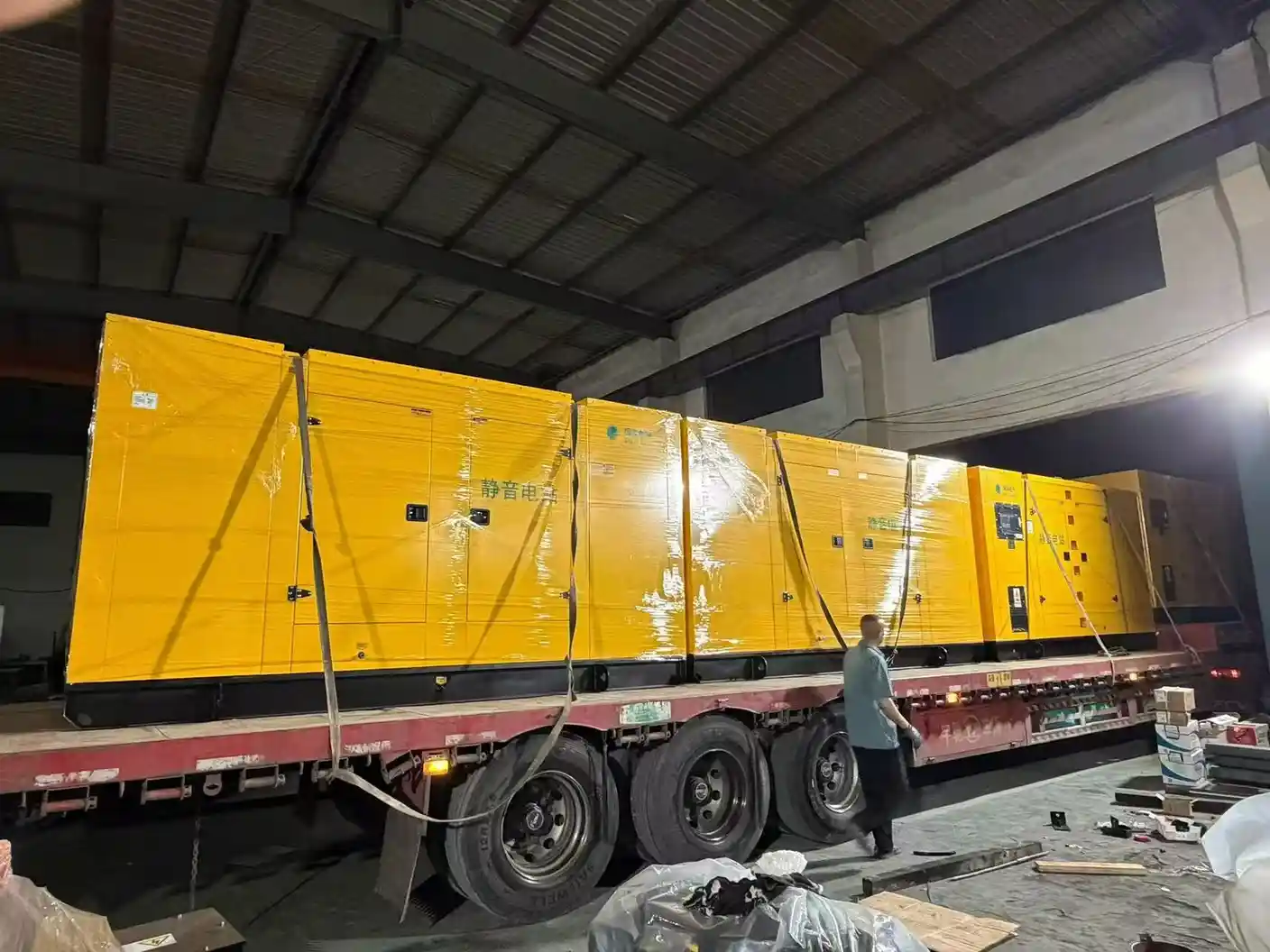
Representative mobile diesel generator production, inspection or shipment scene from the media library.
Get a Wholesale Quote
Partner with zentramo for premium replacement engines, generators, and OEM/ODM parts. Our technical experts will review your requirements and respond within 24 hours.