
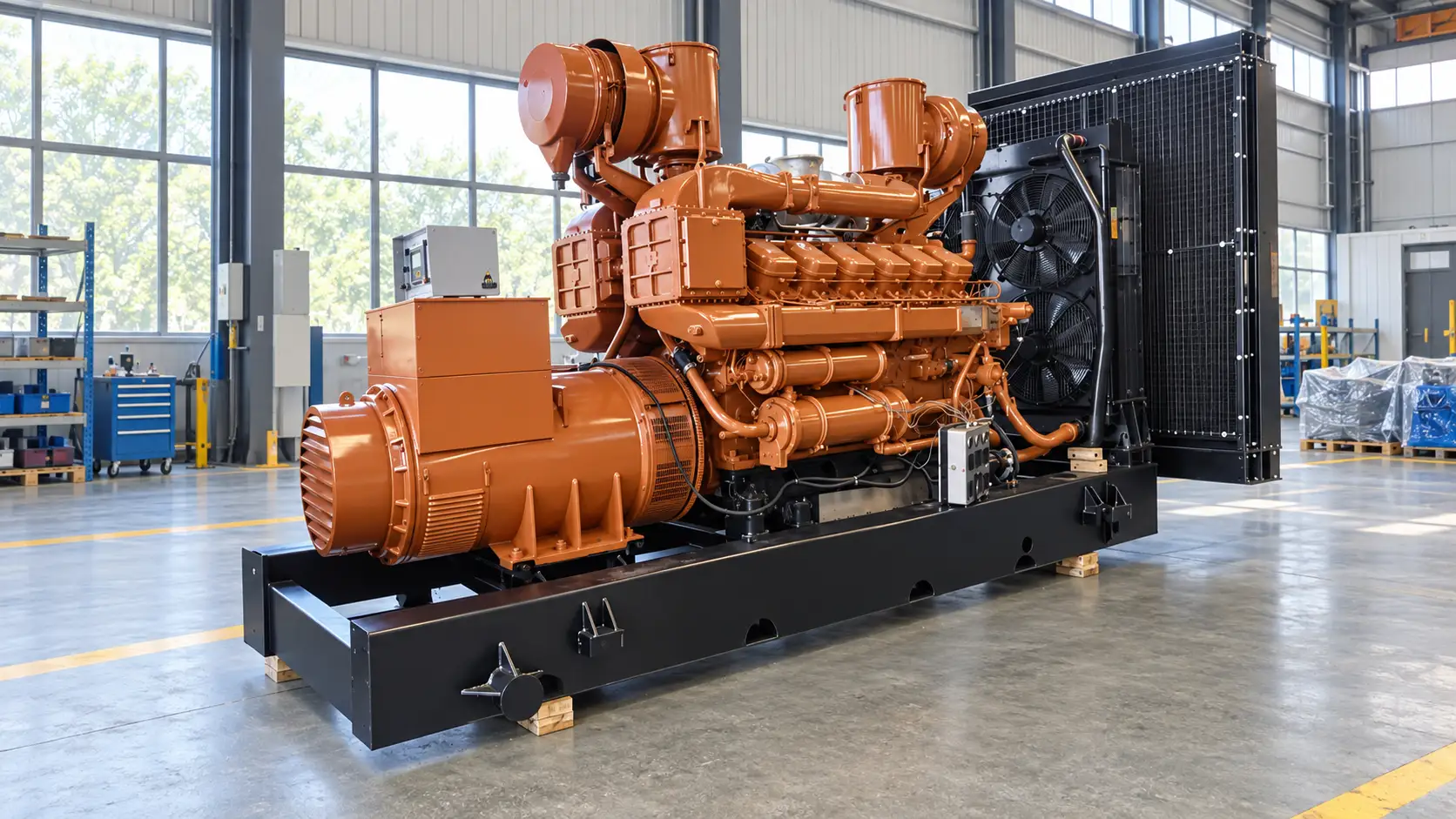
Diesel Generators Configured for the Load, Site and Duty
Choose the rating, enclosure, electrical interface and control package around the way power will actually be used—not around a headline kW number. Zentramo supports open, silent, mobile and containerized diesel generator projects for industrial, commercial, infrastructure and remote-site applications.
Direct answer
What Is a Diesel Generator?
A diesel generator is an engine-driven power system selected around the real electrical load, duty cycle, site conditions and required level of backup resilience.
For an accurate quotation, start with the application, access limits and required attachment—not an unverified model number.
| Decision layer | What belongs here |
|---|---|
| Known from the buyer | Critical and non-critical loads, starting currents, voltage and frequency, duty cycle, altitude, temperature and noise limit. |
| Configured for the project | Power rating, engine-alternator match, enclosure, controller, fuel autonomy, ATS interface and site accessories. |
| Verified before order | Load-bank performance, protection functions, fuel and cooling checks, sound data where required and destination documents. |
Start with the Power Problem, Not the Model Number
A good diesel generator specification begins with operating duty and load behavior. Use the scenarios below to define the project path before comparing quotations.
Utility Backup
For factories, commercial buildings, farms and critical facilities that need power during outages. Confirm the essential-load list, largest motor start, required transfer time and ATS logic.
Prime Power
For construction, mining, workshops and remote operations where the generator runs for extended periods under variable load. Duty rating, load profile, service access and fuel planning become central.
Mobile Site Power
For projects that move between locations. Match the trailer, lifting and connection arrangement to transport conditions, deployment frequency and the loads used at each site.
Packaged Remote Power
For exposed, high-output or security-sensitive locations where enclosure, ventilation, cooling, filtration, access and external connections must work as one system.
Choose the Structure That Fits the Installation

Open Type
Direct service access and a lower enclosure cost for dedicated generator rooms or protected industrial areas. The buyer must plan ventilation, exhaust, weather protection and acoustic treatment.
Best fit: Indoor plant rooms and controlled industrial spacesSilent Type
A weather-resistant acoustic canopy helps reduce site noise and protects the package while preserving maintenance access. Confirm the permitted sound level at a stated distance rather than accepting an unlabeled “silent” claim.
Best fit: Commercial sites, factories and occupied areasTrailer-Mounted
A mobile chassis supports temporary work and relocation between sites. Define towing conditions, braking, stabilizers, cable connection and fuel autonomy with the destination requirements.
Best fit: Construction, rental and emergency deploymentContainerized
A protected package for larger or remote projects that need integrated ventilation, access, controls, fuel planning and transport handling.
Best fit: Mining, infrastructure and packaged power systemsBuild a Comparable Diesel Generator Specification
Ask every supplier to quote the same basis. A low price is not comparable when rating, controls, accessories or test scope differ.
| Decision | What to specify | Why it matters |
|---|---|---|
| Power basis | Standby or prime rating, stated in both kW and kVA | Prevents comparison of unlike duty ratings. |
| Load profile | Simultaneous running load, largest starting load, start method and load sequence | Motor and compressor starting demand can determine alternator and engine size. |
| Electrical output | Phase, voltage, frequency, power factor, earthing and breaker | Avoids site rewiring and incompatible downstream equipment. |
| Structure | Open, silent, trailer or container | Controls noise, weather protection, mobility, cooling and service access. |
| Transfer and controls | Manual transfer or ATS/AMF, remote monitoring, synchronization or paralleling scope | Defines how the set starts, transfers and communicates with the site. |
| Fuel system | Required runtime, day tank or base tank, refill plan and local fuel quality | Affects autonomy, maintenance and operating risk. |
| Site conditions | Ambient temperature, altitude, dust, humidity, corrosion exposure and ventilation | Site conditions can reduce available output and change enclosure design. |
| Delivery scope | Battery, charger, breaker, silencer, flexible connections, cables, manuals, test records and export packing | Prevents missing items from appearing as post-order cost. |
Fast sizing rule—but not the final answer
Base kVA is commonly estimated from simultaneous running kW divided by the design power factor. The final selection must also account for starting current, nonlinear loads, site derating, duty rating and a justified expansion reserve.
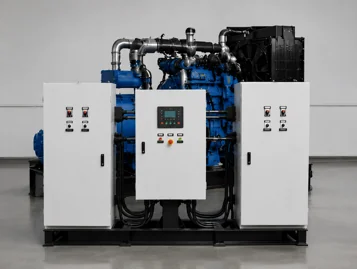
Treat the ATS and Controls as Part of the Power System
A generator can be correctly sized and still fail the project if transfer logic, breaker coordination or load sequencing is incomplete. Confirm the utility incomer, number of poles, transfer priority, start delay, retransfer delay, critical-load sequence, remote alarm points and any synchronization requirement before production.
Inputs for the electrical proposal
- Single-line diagram or distribution description
- Utility voltage, phase and frequency
- Critical and noncritical load groups
- Largest motor and starting method
- Manual transfer or ATS/AMF requirement
- Remote monitoring, synchronization or paralleling requirement
Compare Fuel and Ownership Cost Under the Same Load
There is no responsible “most fuel-efficient” answer without operating conditions. Compare certified or supplier-stated fuel consumption at the same percentage of rated load, with the same duty rating, frequency and ambient assumptions.
Right-sized load
Chronic light loading can raise fuel used per useful kWh and may contribute to incomplete combustion.
Duty match
A standby-rated quotation should not be compared with a prime-rated quotation as if they are equivalent.
Fuel and service
Include filters, oil, coolant, batteries, service labor and access to compatible parts.
Enclosure and automation
Canopy, container, ATS, remote monitoring and switchgear change total project cost.
Installation
Foundation, ventilation, exhaust, cabling, fuel storage and commissioning can exceed the difference between two bare-set prices.
Diesel or natural gas?
Diesel is often selected where fast start, strong transient response, fuel storage and independent operation are priorities. Natural gas may be attractive where a reliable gas supply, local emissions strategy and extended operating pattern favor it. Compare fuel availability, start performance, maintenance, site rules and full installed cost—not fuel price alone.
Explore natural gas generator setsMaintenance Frequency Depends on Duty, Hours and Environment
Follow the selected engine, alternator and controller manuals. Calendar checks matter for standby equipment even when operating hours are low; hour-based service becomes increasingly important for prime-power sets.
Before operation or scheduled exercise
- • Check fuel, oil, coolant, leaks, battery condition, wiring, alarms and ventilation openings.
- • Confirm the area is clear and the exhaust route is unobstructed.
During routine exercising
- • Exercise under an appropriate load when site rules allow.
- • Verify ATS behavior, battery charger condition, voltage, frequency, temperature and abnormal noise or smoke.
By operating hours and manufacturer schedule
- • Replace filters and fluids at the documented interval.
- • Inspect belts, hoses, terminals, cooling and exhaust systems.
- • Record readings so gradual change is visible before a failure.
Trace the Approved Specification from Assembly to Dispatch
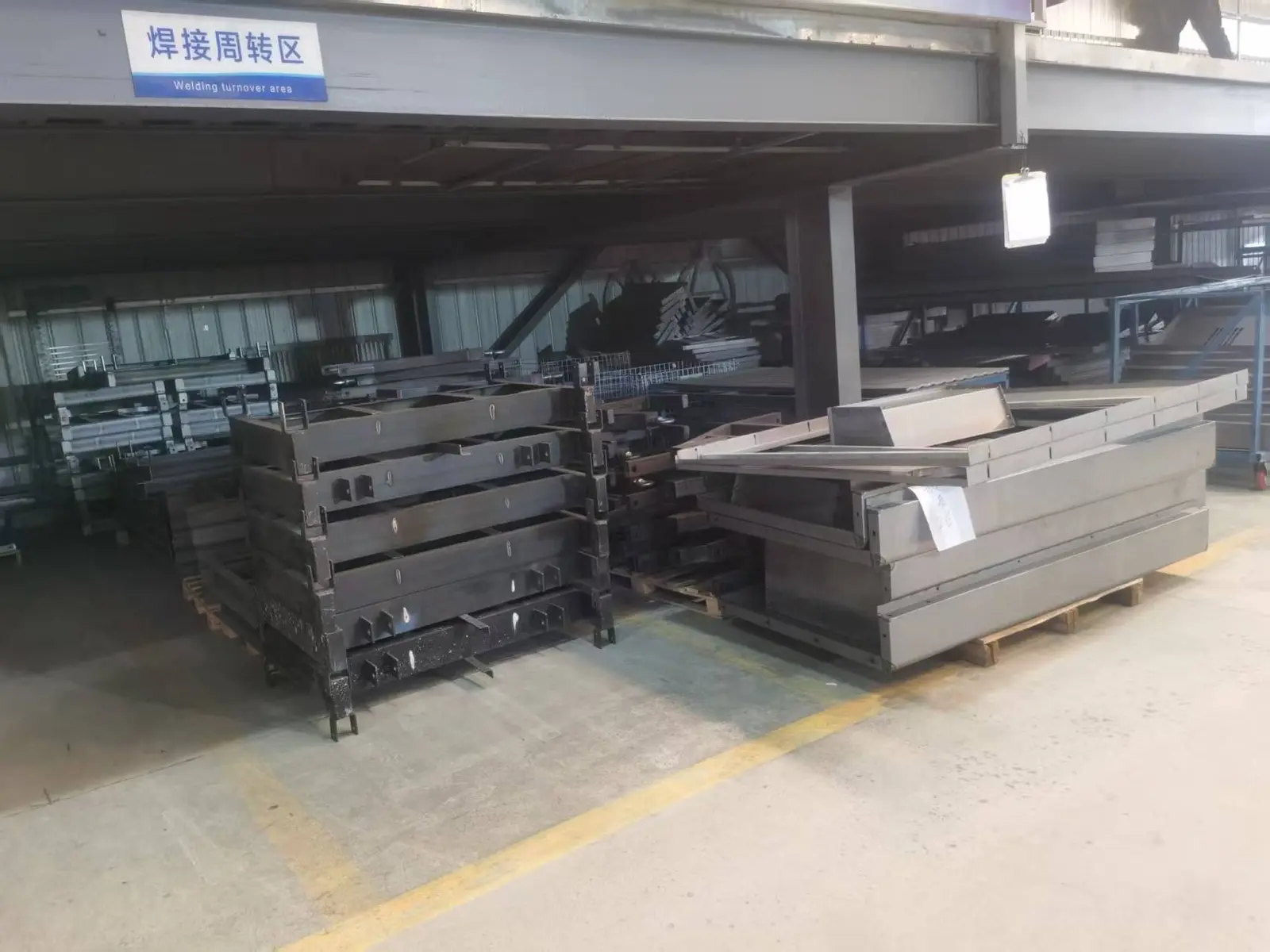
Production and Assembly Control
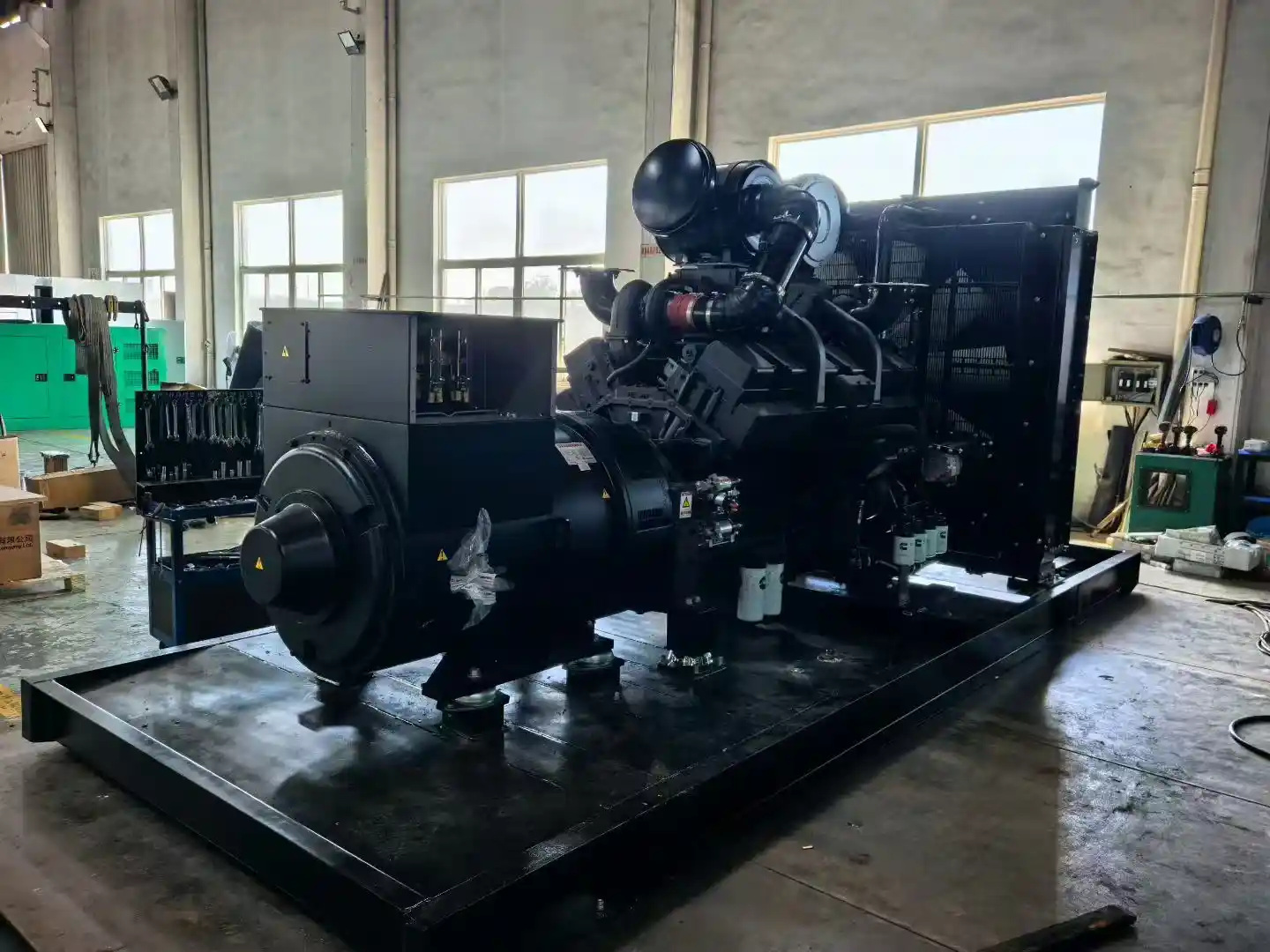
The approved configuration should follow the unit through base-frame preparation, engine and alternator alignment, cooling and fuel-system installation, wiring, controls and enclosure assembly. Request a configuration sheet that identifies the quoted engine, alternator, controller, rating and options.
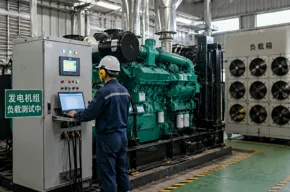
Inspection and Functional Testing
Define the inspection scope before the order. Typical factory checks may cover visual workmanship, wiring and protection, fluids and leaks, start/stop behavior, voltage and frequency stability, alarm and shutdown functions, ATS logic when supplied, and agreed load testing. Ask for the records included with the shipment.
Buyer acceptance file:
- Approved configuration and option list
- Inspection and agreed test records
- Manuals and wiring documents
- Packing list and serial or model identification
- Photos or remote witness arrangement when agreed
Protect the Power Package Through Export Delivery
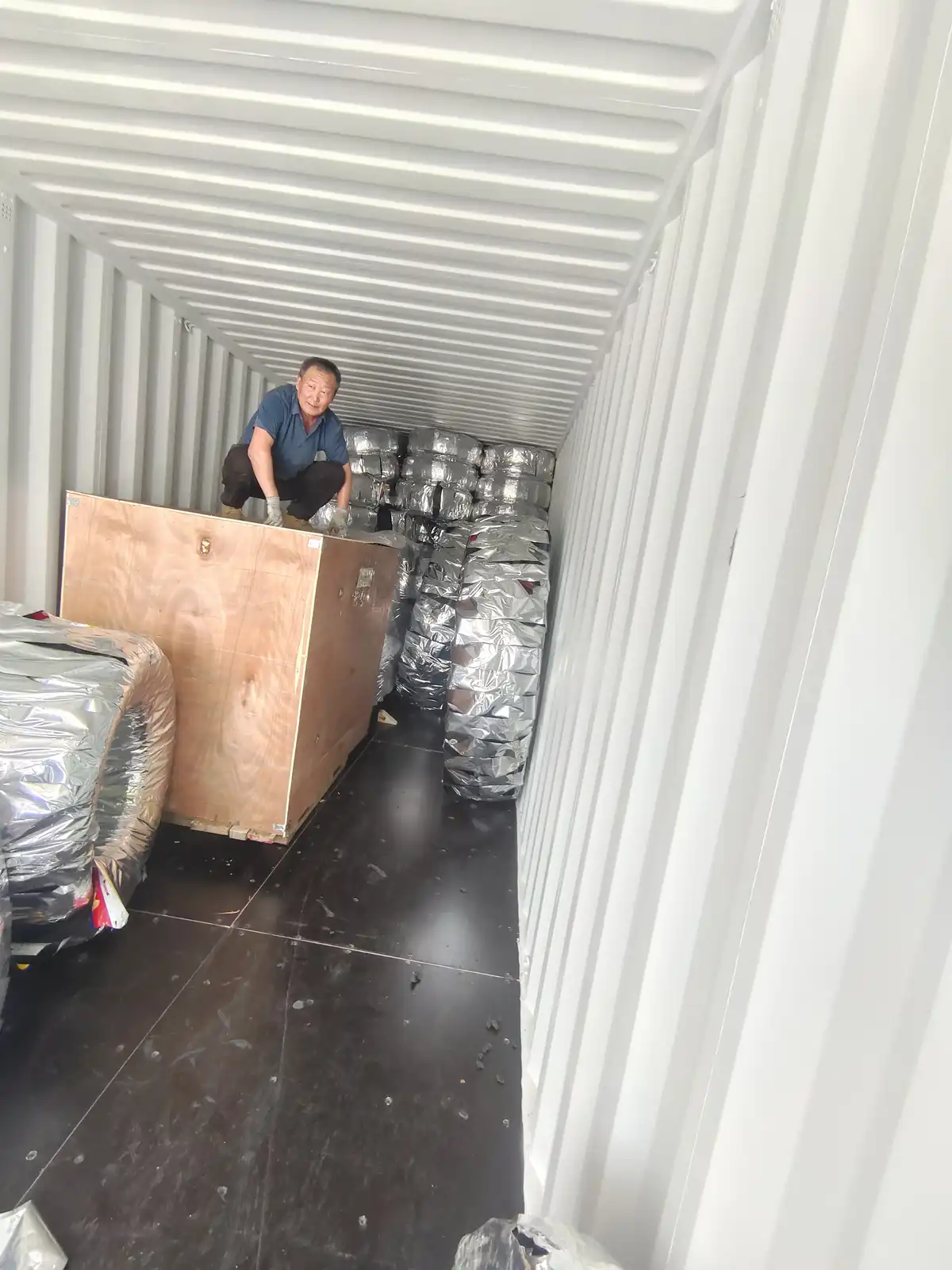
Export preparation should protect openings, control panels, loose accessories and exposed components from moisture, movement and handling damage. Confirm the packing method, lifting points, shipping dimensions and weight, accessory count, fuel and battery transport requirements, and destination documents before dispatch.
Compliance & Documentation Verification
Required documents vary by destination and project. Before ordering, verify the exact certificate or declaration name, issuing body, product and model scope, validity and whether the buyer needs an original, copy or third-party inspection. Do not rely on an unrelated badge or a certificate issued for another product.
Factory Visit & Pre-shipment Acceptance
Buyers can arrange an on-site visit or agree a remote acceptance plan before shipment. Review the ordered configuration, visible workmanship, nameplate data, agreed tests, accessories, packing and shipping marks against the purchase specification.
Diesel Generator Buying Questions
How do I choose a reliable diesel generator supplier?
How much does a diesel generator cost?
Which diesel generator has the best fuel efficiency?
How often should a diesel generator be serviced?
Is diesel better than natural gas for backup power?
What information should I send for a diesel generator quotation?
Continue with the Right Power-System Detail
Detailed diesel generator set configuration
Explore deep technical specifications, engine options and enclosure sizing rules for your project.
Read the GuideCompare broader genset options
View the full range of power generation systems across different fuel types and capacities.
View GensetsReview natural gas generator alternatives
Assess continuous and standby gas power systems for emissions-sensitive or pipeline-fed sites.
Explore Gas SetsSend the Load List Before You Select the Generator
Share the running loads, largest motor, duty, voltage, frequency, site conditions, enclosure preference, ATS requirement and destination. Zentramo can organize those inputs into a clearer diesel generator specification for quotation and technical review.
A complete load list helps prevent undersizing, chronic light loading and missing accessories.
Evidence before commitment
Production, Inspection and Delivery Evidence
A professional offer should connect the proposed configuration to evidence that can be checked before dispatch. Availability and document scope are confirmed for the specific order.
Production record
Configuration review, assembly checkpoints and key component traceability where applicable.
Inspection & testing
Function checks, leak inspection and order-specific test items recorded before shipment.
Certificates & documents
Required compliance documents are verified against destination and project requirements before order.
Packing & shipping
Packing method, loading photos and dispatch documents can be included in the delivery file.
Buyer visit or pre-shipment acceptance
Factory visits, remote video inspection or third-party pre-shipment checks can be coordinated when agreed. Published claims are not substituted for order-specific acceptance evidence.