
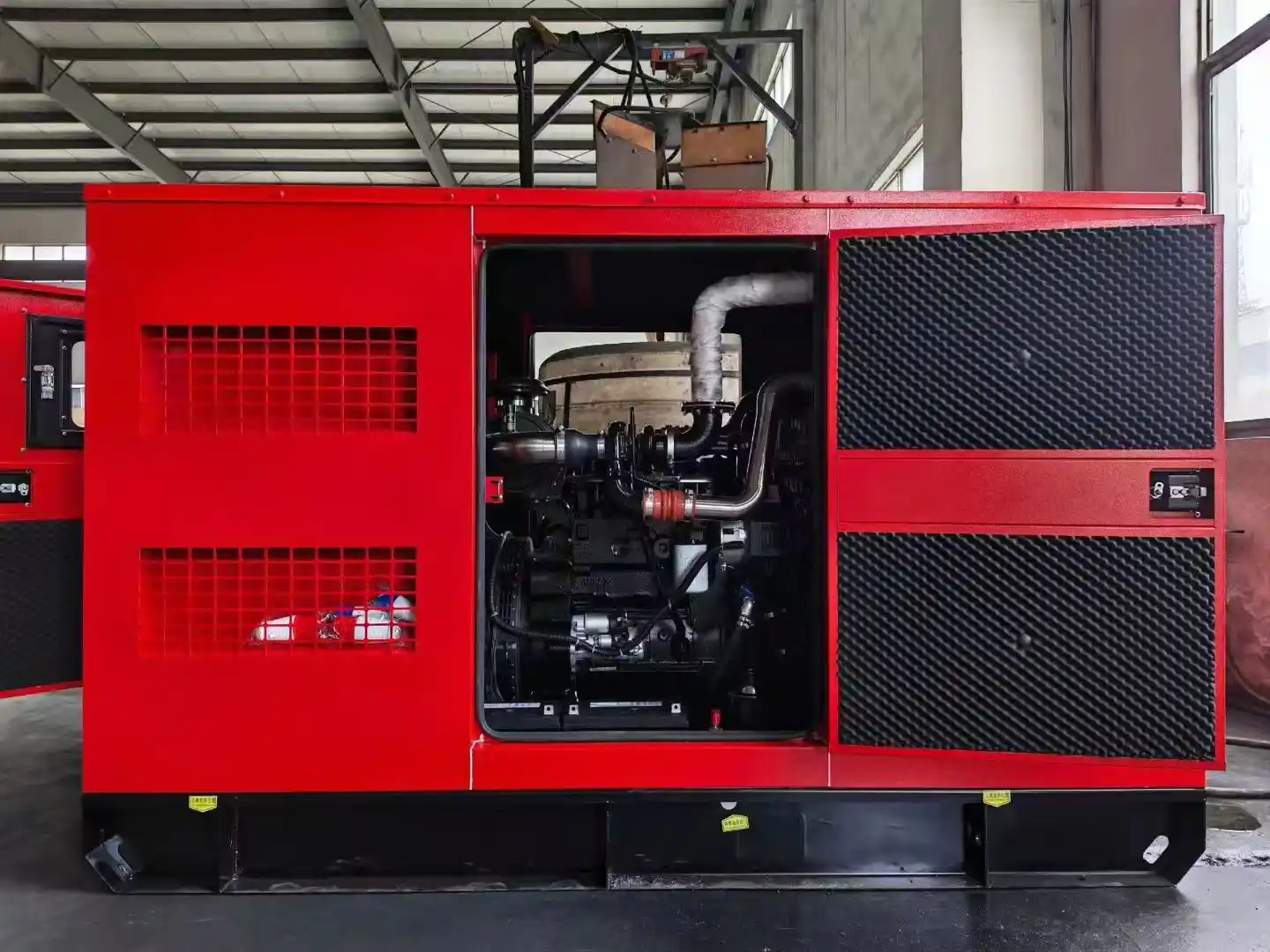
Diesel Generator Maintenance: How to Build a Service Plan
Build a diesel generator maintenance plan from the exact equipment manuals, running hours, calendar limits and site conditions. Assign each task an owner, due point, method and record. The plan should demonstrate that the complete system can start, carry its intended load, transfer power where required and shut down correctly.
This guide covers industrial and commercial diesel gensets. Engine oil service, starting readiness, electrical generation and transfer-system testing are related tasks, but completing one does not prove the others.
1. Turn the Manuals into a Task Register
Collect generator, engine, alternator, controller and transfer-equipment identities and relevant manuals. Separate inspections, fluid/filter service, condition-based work and functional tests. Cummins maintenance guidance directs owners to the operator manual, with more frequent attention for hot or dusty operation.
| Task register field | Record | Purpose |
|---|---|---|
| Equipment | Model, serial number and manual revision | Keeps different configurations separate |
| Due trigger | Hours, calendar date or approved condition limit | Prevents low runtime hiding overdue work |
| Method and materials | Procedure, fluid specification and exact parts | Avoids incorrect filters or chemistry |
| Responsibility | Operator inspection or qualified service role | Defines who can safely complete the task |
| Completion evidence | Readings, date, hours and findings | Allows trends and remaining defects to be reviewed |
Use whichever applicable limit occurs first when the manual specifies both time and hours. Do not import a published interval from a different engine family.
2. Worked Example: Hours and Calendar Time
Suppose a particular manual requires a service every 250 operating hours or six months, whichever occurs first. These are illustrative inputs, not intervals for your generator. Service was completed at 1,000 hours on 15 January.
- The hour trigger is 1,250 hours.
- The calendar trigger is 15 July.
- If the set reaches 1,250 hours in April, service is due then.
- If it has reached only 1,080 hours by July, the calendar trigger still makes service due.
Record the actual completion date and meter reading for the next cycle under the manual. After a long outage, reassess accumulated hours, fluids and defects instead of waiting for the original reminder.
3. Make the System Safe Before Close Inspection
Arrange alternative power when a critical standby system is taken out of service. Qualified personnel should disable automatic and remote starting, isolate relevant electrical and mechanical energy sources and verify a safe condition under the equipment and site procedures. Selecting OFF is not complete isolation.
Let hot components cool. Never open a hot pressurised coolant cap. Use the task-specific protection, control ignition sources around fuel/batteries and collect waste fluids. Keep guards fitted during running observations. Electrical work and high-pressure fuel repairs need qualified personnel.
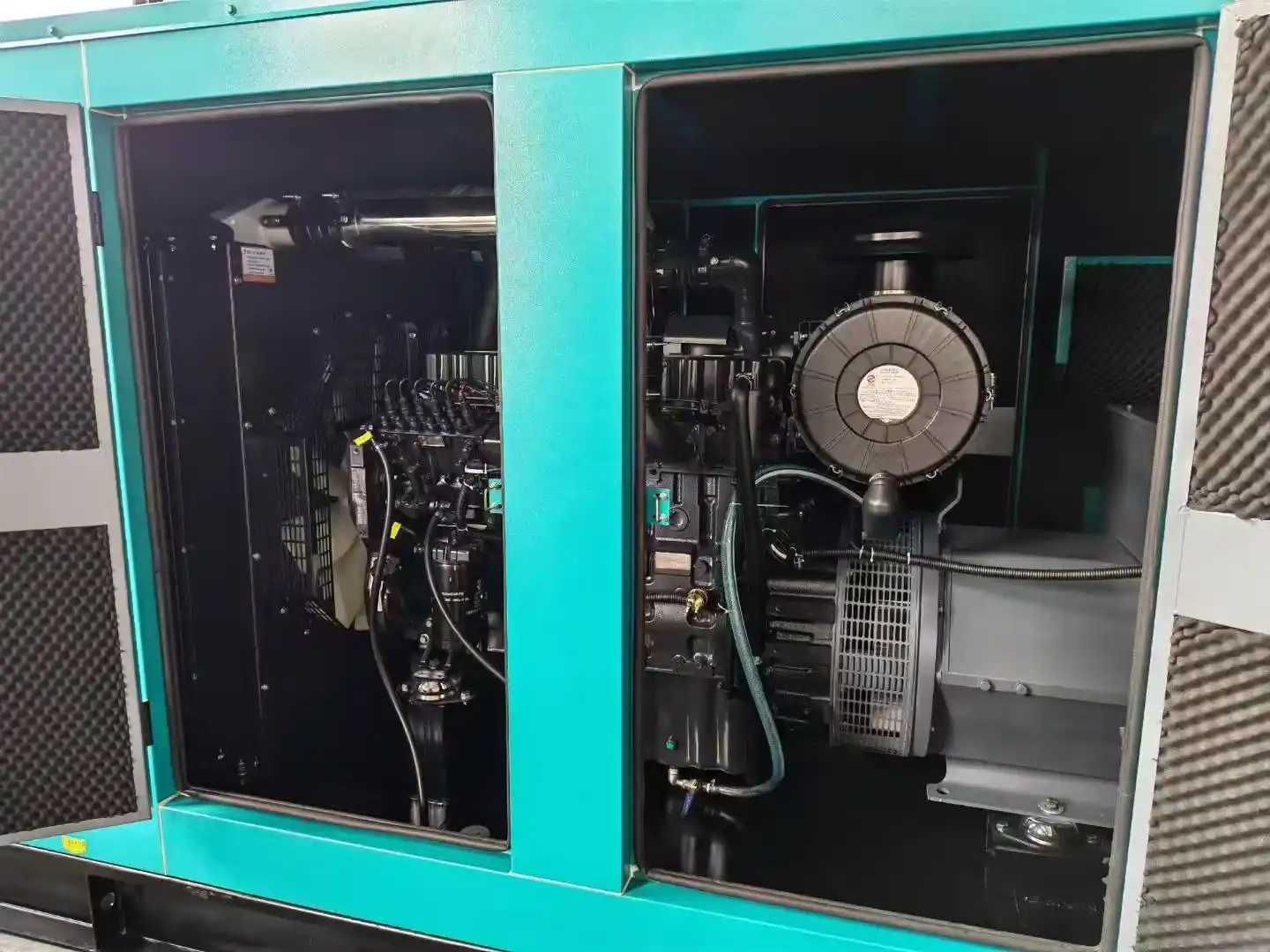
4. Inspect Systems by Failure Consequence
| System | Inspection or service focus | Follow-up finding |
|---|---|---|
| Oil and filtration | Manual-specified level check, fluid grade and filter identity | Unexplained consumption, rising level or contamination |
| Cooling | Cold-check procedure, leaks, hoses and cooling-air paths | Recurring loss or temperature rise under load |
| Fuel | Level, visible leakage, storage condition and separator status | Water entry, contamination or unreliable replenishment |
| Starting | Battery condition, restraints, connections and charger | Failed charging or poor cranking performance |
| Intake/exhaust | Restriction indication, duct integrity and exhaust supports | Dust bypass or hazardous exhaust leakage |
| Controls/electrical | Alarms, indicated readings and professional inspection | Protection faults or unexplained phase imbalance |
Colour does not establish oil condition or coolant compatibility. A resting battery voltage does not prove starting capacity. Inspect air-cleaner integrity as well as the element; clean or reuse filters only when the manufacturer permits it. Record a finding and action owner rather than ticking every system as satisfactory.
5. Separate Exercise, Load and Transfer Testing
An exercise run can show that the engine starts. A planned load test evaluates operation at defined load points. A transfer test verifies the applicable power-source changeover. An unloaded engine exercise cannot establish building power delivery during a real outage.
The qualified team should define test load, duration, permitted readings and arrangements protecting critical loads. Use the actual application and equipment limits instead of a generic percentage or universal test duration. Record load, voltage, frequency, relevant phase currents, temperatures, alarms and sequence results.
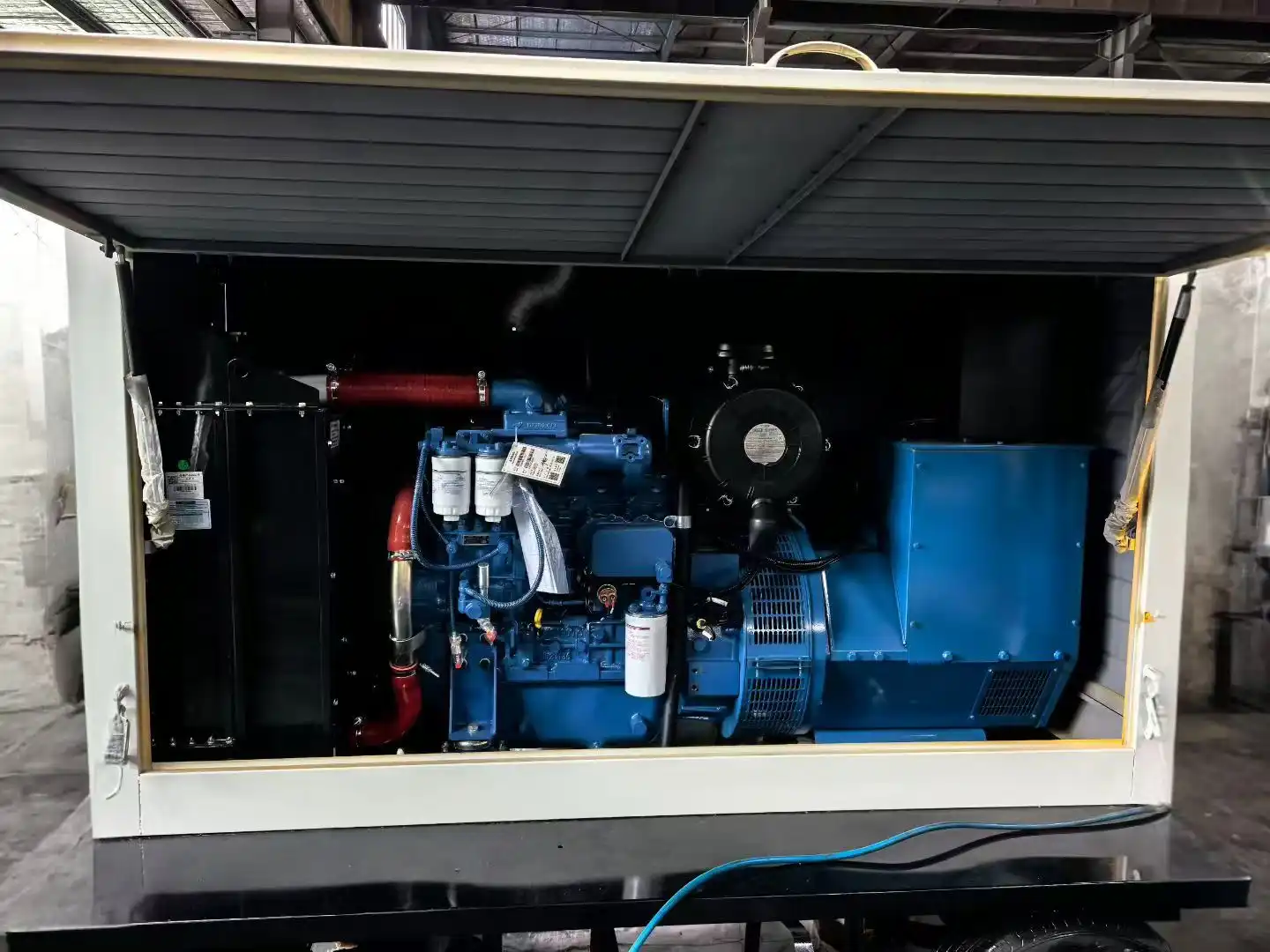
Check returned operating mode, charger status, fuel readiness and outstanding defects after testing. A serviced unit inadvertently left in manual or OFF mode may still fail its standby purpose.
6. Match Standby and Prime-Power Priorities
Standby equipment can deteriorate while accumulating few hours: stored fuel, batteries, seals and auxiliary systems still need attention. Prime-power units accumulate hours faster and need service windows, consumables and backup capacity planned around production.
For a fleet, keep task registers against each serial number. Compare consumption, recurring alarms and completed repairs across similar duty, rather than assuming identical-looking canopies have identical engines. Review critical spares using a structured parts-stocking plan.
Maintenance Planning Questions
Can an internet schedule replace the manual? No. Use a general checklist to organise work, then attach the actual interval and procedure for each model.
Can I remove an alarm by changing settings? Diagnose the cause. Governor, AVR and protective settings are not routine maintenance shortcuts.
What should follow a failed test? Record the first symptom and safe operating status, then use the troubleshooting workflow before returning to service.
Keep a Service Record That Supports the Next Decision
Retain date, engine hours, work performed, part numbers, fluid specifications, readings, faults, corrective actions and the person responsible. Confirm outstanding issues and the next hour/date triggers.
When comparing generator configurations, ask about service access, consumable identification and documented testing. Send equipment identification and operating duty to Zentramo for a configuration or parts enquiry.