
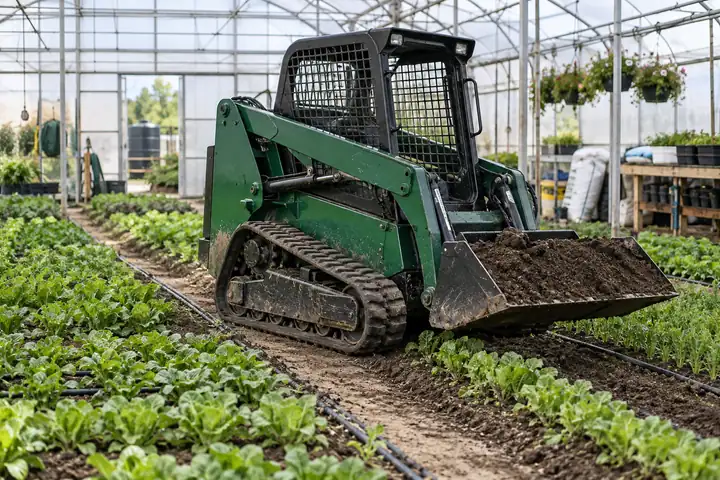
Skid Steer for Greenhouse Work: Fit the Aisle Before You Size the Machine
Select a compact loader around the real route through your greenhouse—not just rated load. Zentramo offers 300 kg and 500 kg class machines with wheeled or tracked configurations for soil preparation, substrate handling, pots, pallets, cleanup and maintenance access.
Start with aisle width, doorway clearance, turning space, overhead services, floor condition, load and attachment requirements.
Direct answer
What Is a Skid Steer for Greenhouse Work?
A greenhouse skid steer is a narrow, maneuverable loader selected for soil handling, pot movement, pallet work and site preparation inside protected growing structures.
For an accurate quotation, start with the application, access limits and required attachment—not an unverified model number.
| Decision layer | What belongs here |
|---|---|
| Known from the buyer | Door and aisle dimensions, floor loading, turning space, surface sensitivity, ventilation limits and required tasks. |
| Configured for the project | Machine width, wheel or track option, capacity, tires or tracks, hydraulic flow, attachments and engine choice. |
| Verified before order | Overall envelope, turning clearance, ground pressure, attachment fit, emission suitability, inspection record and packing size. |
Can the Loader Complete the Route?
The narrowest point is not always the doorway. A route can fail at a bench corner, raised threshold, irrigation header, low pipe or the space needed to turn with a loaded attachment. Measure the machine and working tool as one operating envelope.
Clear aisle width
Compare the narrowest aisle with body width and actual bucket, fork or attachment width.
Door and gate opening
Record clear width and height after hinges, stops and transitions.
Turning and reversing space
Include attachment, rear swing, load position and crop/bench margin.
Overhead and side clearance
Map irrigation pipes, heaters, rails, cables, gutters and crop supports.
Floor and slope
Identify concrete, aggregate, loose soil, mud, drainage, thresholds and ramps.
Callout: Measure the bucket or attachment—not only the loader body.
Configuration Matrix: 300 kg or 500 kg Class? Wheels or Tracks?
Compare base configuration parameters to find the right starting point for your greenhouse route.
Swipe tables to compare on mobile.
| Configuration starting point | Published reference dimensions | Published reference weight | Engine examples | Best evaluation focus |
|---|---|---|---|---|
| 300 kg class S300 / SL300 / S350 / SL350 |
Body approx. 1,960 × 850 × 1,400 mm Standard bucket approx. 900 × 420 × 600 mm |
Approx. 920 kg | S300/SL300 use Runtong R740-1 gasoline, 739 cc S350/SL350 use Kepu KD292FA diesel, 0.997 L |
Evaluate narrow access, lighter repeated handling and smaller tools. |
| 500 kg class S500 / SL500 / JS500 / JSL500 |
Body approx. 1,960 × 1,100 × 1,400 mm Standard bucket approx. 1,100 × 420 × 600 mm |
Approx. 1,020 kg | S500/SL500 use a Laidong three-cylinder diesel JS500/JSL500 use a Kubota 1105 diesel |
Evaluate heavier pallets, larger tools and route capacity. |
Accuracy note: Published dimensions and weights are configuration references. Final rated load, engine, undercarriage, attachment interface and overall dimensions must be confirmed in the quotation and technical sheet for the selected model.
| Ground & Operation | Wheels | Tracks |
|---|---|---|
| Prepared concrete or firm paving | Generally easier to clean and travel efficiently. | Check tracks for turning marks and floor loading. |
| Loose soil or soft ground | May rut weak ground. | Generally offer more flotation and traction. |
| Tight pivot turns | Both need a planned envelope; track counter-rotation can disturb soil or finished surfaces. | |
| Cleaning and maintenance | Wheels simplify visible debris removal. | Tracks need attention around the undercarriage. |
State final values depend on selected model and configuration.
Two Greenhouse Work Cycles, Two Different Priorities
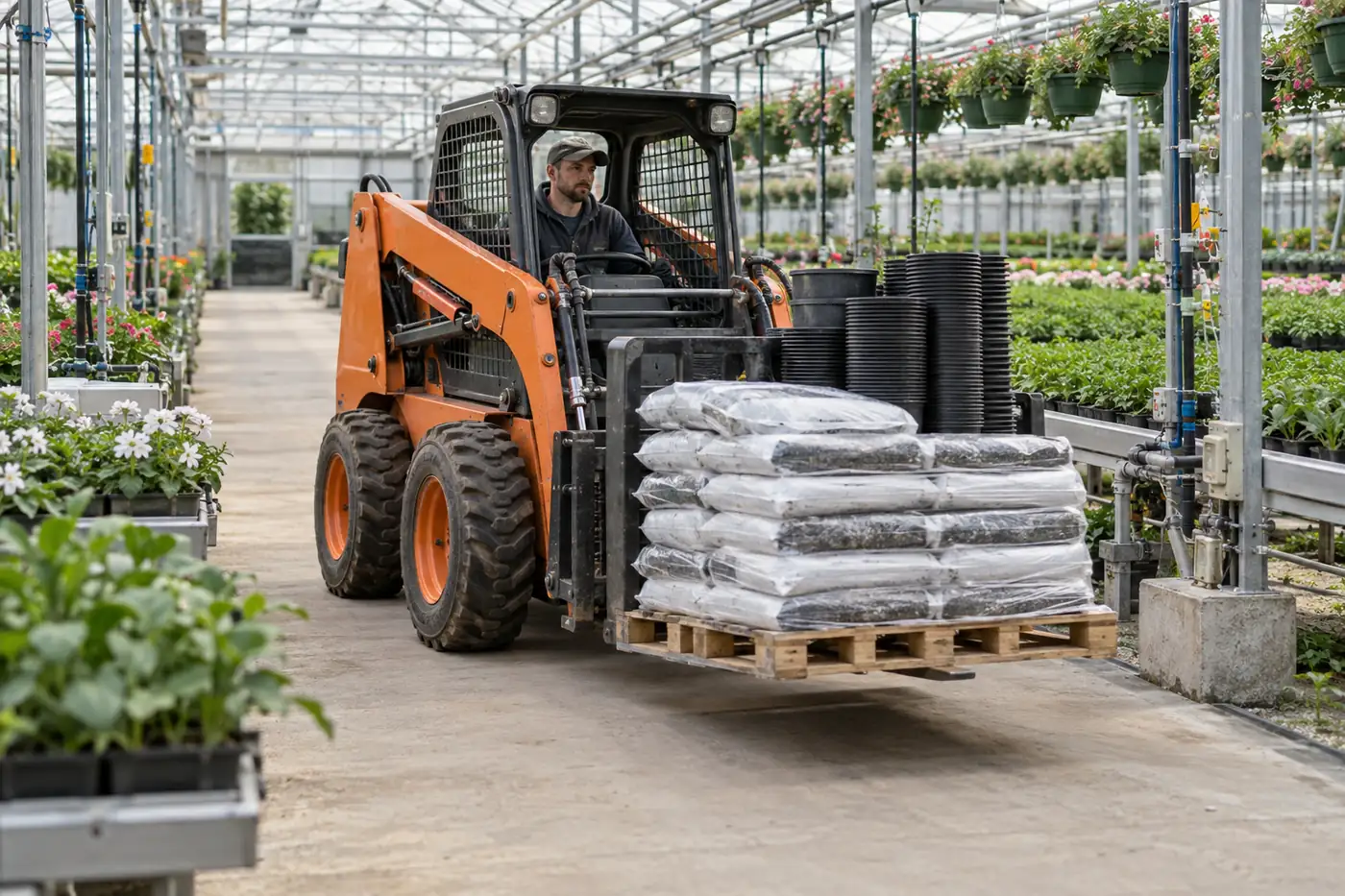
Pots, Substrate and Pallet Handling
Repeated handling rewards compact turning, clear visibility and an attachment selected for the real load center. Use the narrow-access class as the first check when routes are constrained, then verify rated capacity and attachment weight for substrate, trays, pots or pallets. Fork length, spacing and load stability matter as much as nominal capacity.
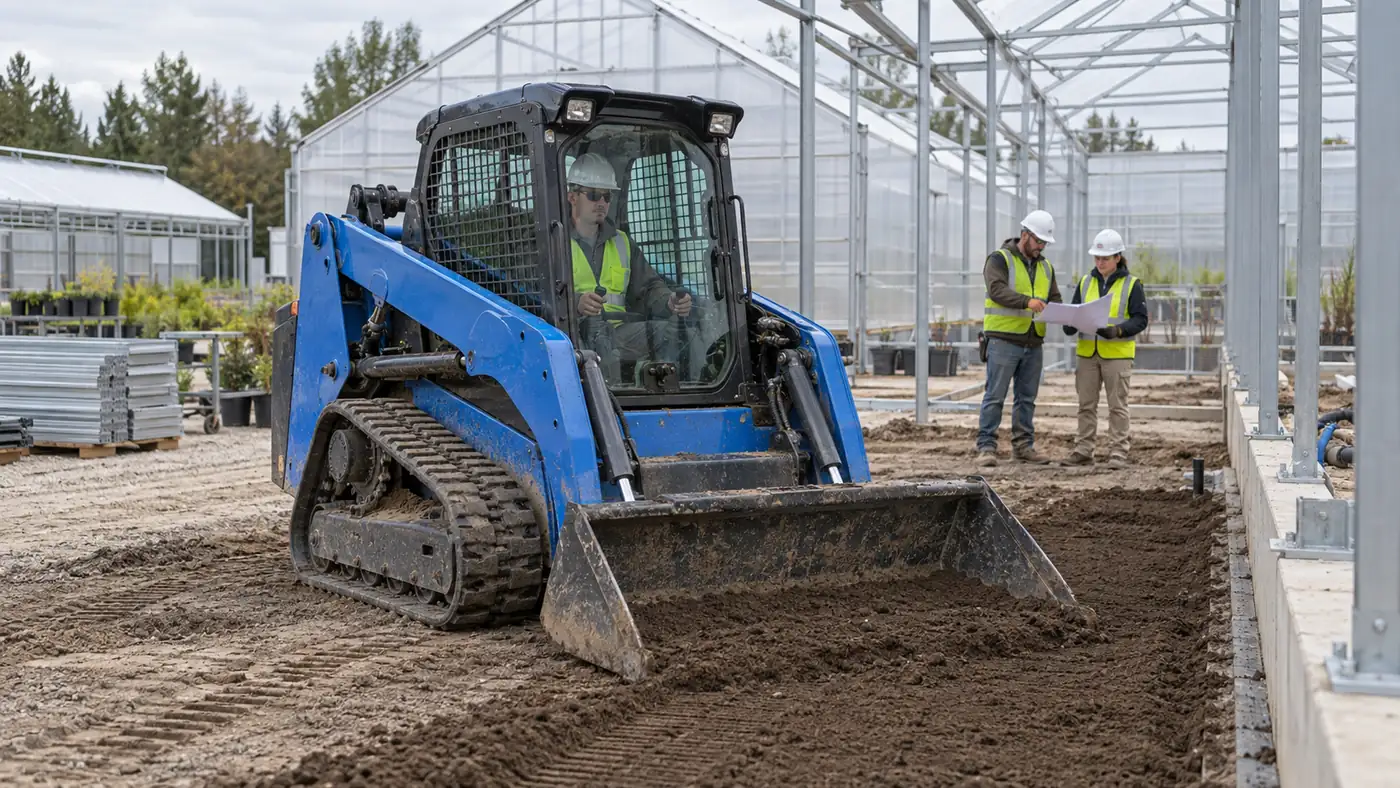
Greenhouse Construction and Soil Preparation
Site preparation can require more traction, grading control and tool demand than routine crop handling. Tracks may suit loose or unfinished ground, but the machine and tool still need turning room around frames, utilities and beds. Select the class after checking soil, grade, tool hydraulic demand and the finished route.
Choose the Tool as Part of the Machine
Never assume universal compatibility. The attachment dictates the true operating envelope and hydraulic requirement.
General Bucket
Soil, compost, mulch and cleanup.
Confirm width, volume and dumped-height clearance.
Pallet Forks
Substrate, trays and packaged supplies.
Confirm fork length, spacing, load center and residual capacity.
Auger
Holes, supports and planting preparation.
Confirm auxiliary flow, pressure, couplers and overhead clearance.
Sweeper
Aisle cleanup.
Confirm width, debris control and dust suitability for the crop environment.
Grapple
Brush, roots and irregular material.
Confirm weight, jaw control, hydraulic connections and structural clearance.
Attachment Verification Checklist
Greenhouse Risk Control: Protect the Crop, Structure and Floor
A route-led configuration reduces avoidable mismatch between machine width, attachment size, ground condition and greenhouse infrastructure.
Crops and benches
Maintain side clearance and controlled travel to prevent structural or plant damage.
Irrigation and overhead utilities
Map height before boom raise or auger use to protect pipes, heaters and cables.
Floors and beds
Match tires or tracks to surface strength and turning method to prevent rutting or cracking.
Air quality and ventilation
Engine configuration must suit ventilation, local rules and conditions. Never imply combustion equipment is safe where exhaust cannot be managed.
Noise and timing
Coordinate machine work with people and greenhouse operations to minimize disruption.
Hygiene and debris
Plan cleaning between outdoor soil work and controlled growing areas when required.
Specifications to Confirm Before Ordering
Send a plan, marked-up photo or the narrowest route dimensions to compare the configuration before quotation.
| Parameter | Value / Implication |
|---|---|
| Model family / rated load class | Confirm for selected configuration |
| Overall dimensions | Confirm for selected configuration |
| Bucket dimensions | Confirm for selected configuration |
| Operating weight | Confirm for selected configuration |
| Engine / model / fuel | Confirm for selected configuration |
| Tire or track | Confirm for selected configuration |
| Pressure and auxiliary flow | Confirm for selected configuration |
| Lift height and dump geometry | Confirm for selected configuration |
| Speed | Confirm for selected configuration |
| Mount and couplers | Confirm for selected configuration |
| Doorway / aisle / turn fit | Confirm for selected configuration |
| Surface and slope | Confirm for selected configuration |
| Ventilation / emissions constraints | Confirm for selected configuration |
| Packing dimensions and unloading plan | Confirm for selected configuration |
From Production Review to Shipment
Keep the quoted configuration tied to the machine being prepared.
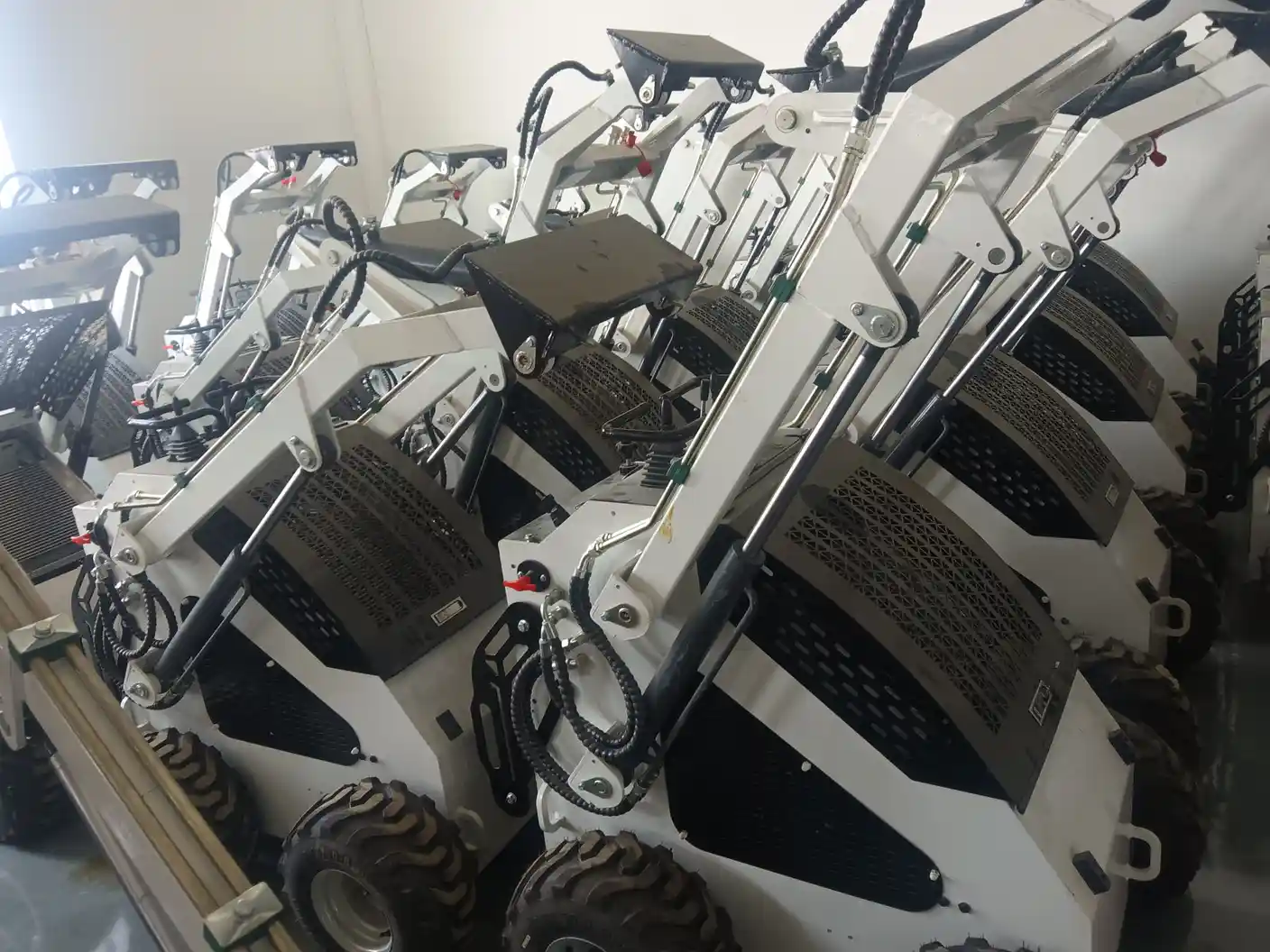
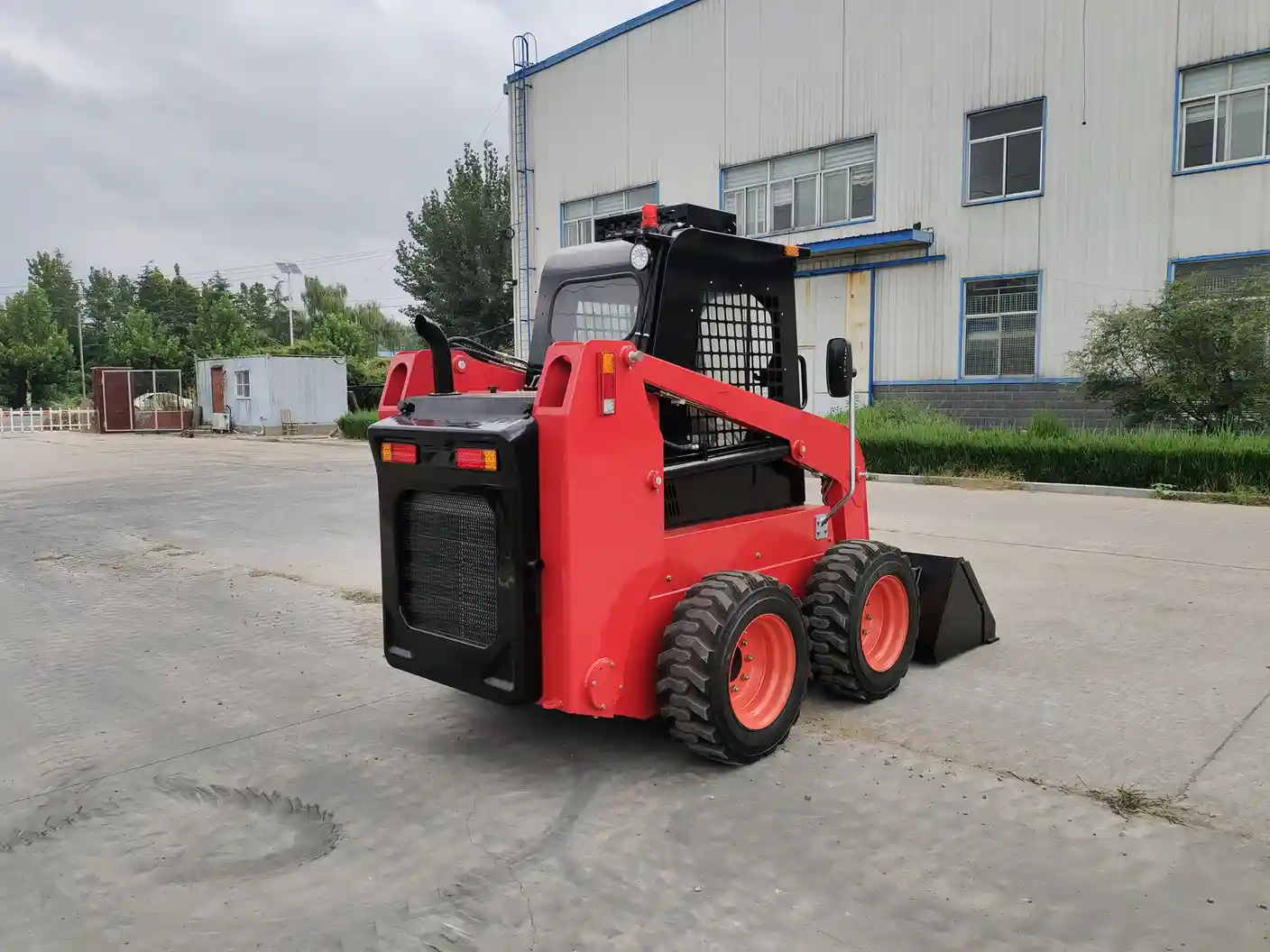
1 Production Coordination
The selected model, engine, undercarriage, attachment interface and order configuration should be aligned before production. Visible component and assembly checkpoints help keep the quoted configuration tied to the machine being prepared.
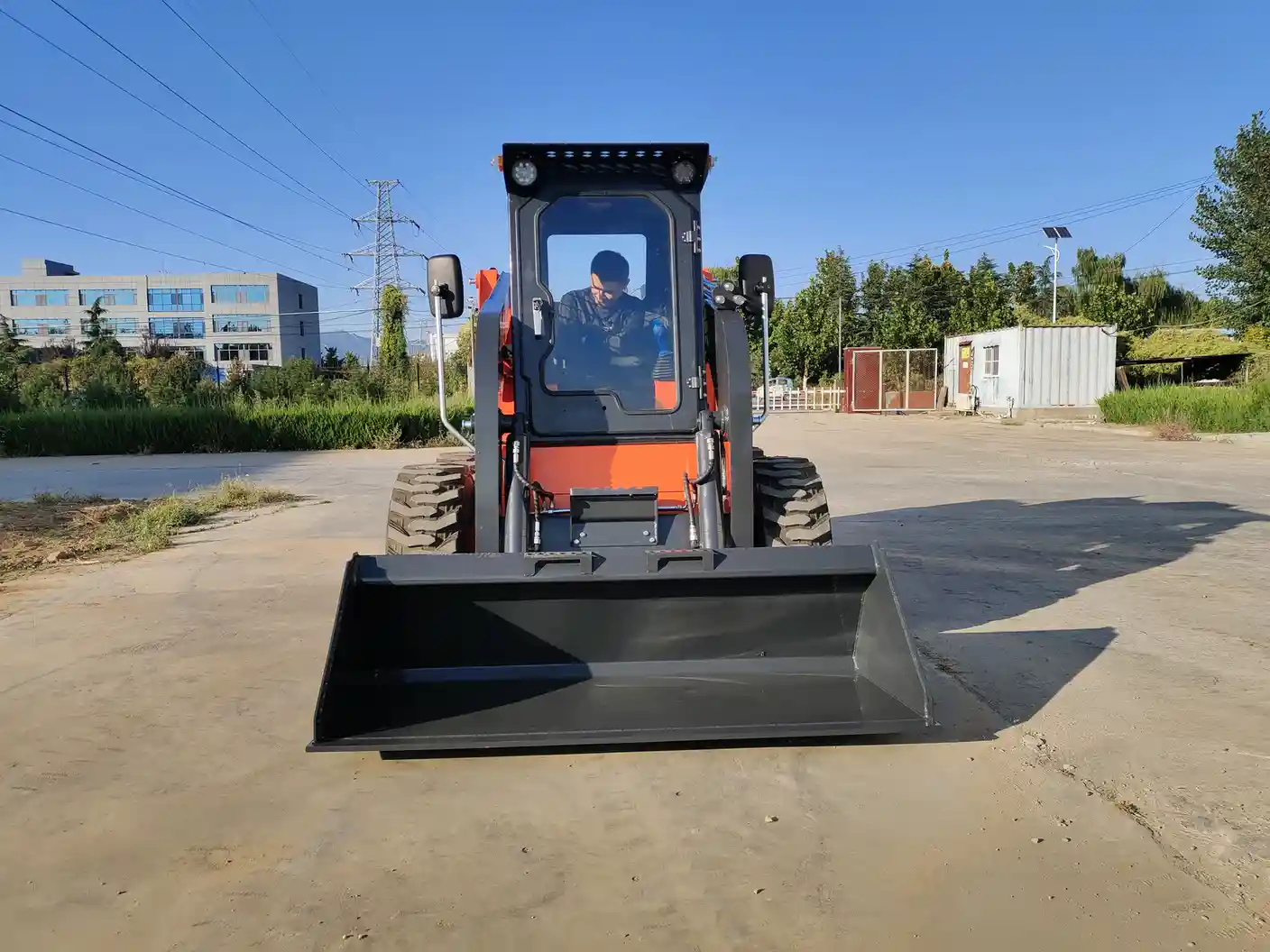
2 Functional Inspection
Before shipment, the agreed scope can cover visible configuration, controls, movement, hydraulic functions, attachment connection and documentation. Confirm the exact checklist with the order.
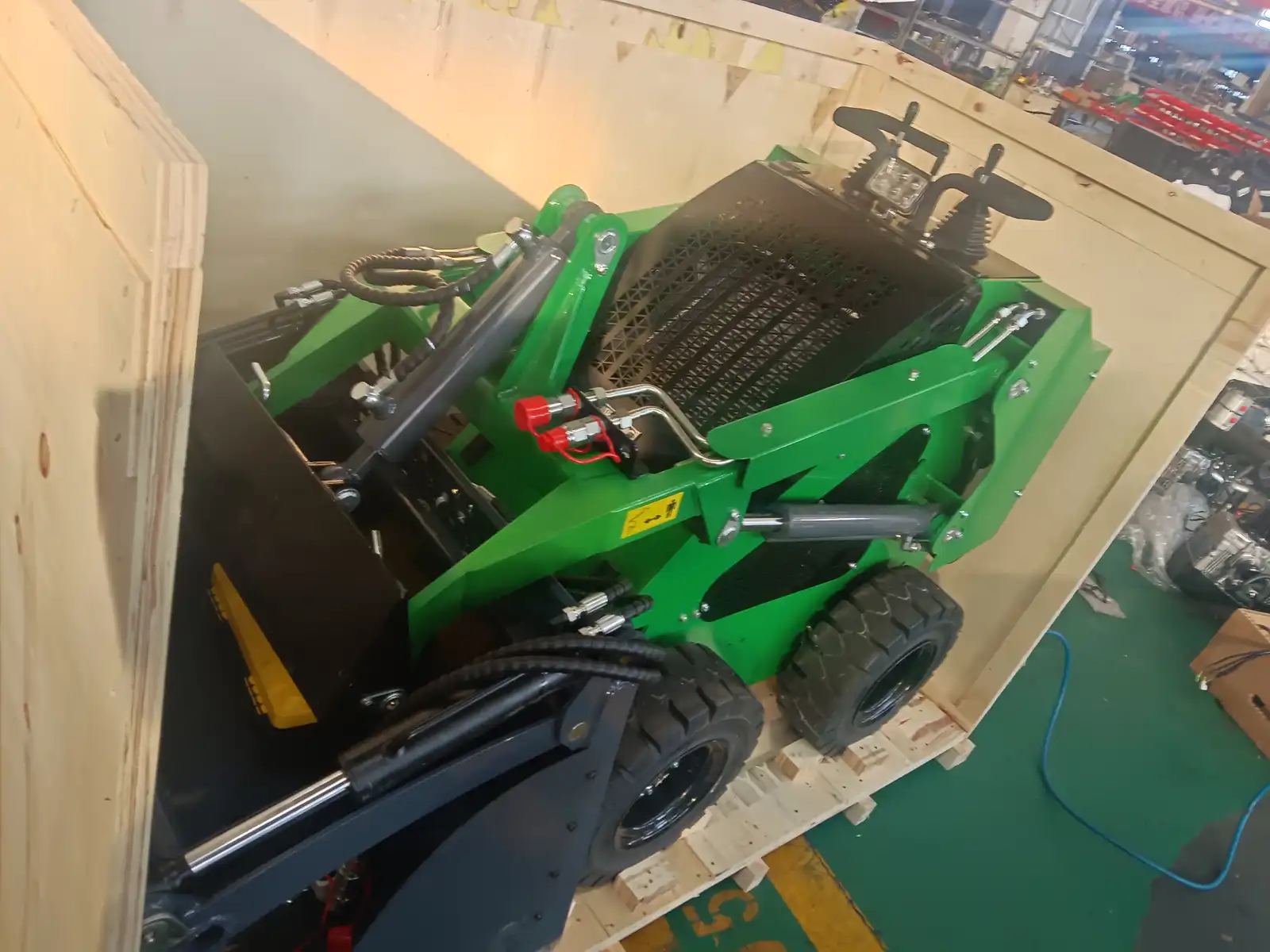
3 Packing and Dispatch
Packing should secure the loader and loose accessories while keeping unloading requirements clear. Confirm package dimensions, accessory list, destination documents and receiving-site unloading method before dispatch.
Compliance & Documentation Verification
Required documentation varies by model, destination and use. Before ordering, identify the documents the market or project requires and verify that each applies to the selected machine—not merely a similar family.
- Selected model and engine identification
- Technical specification sheet
- Packing list and shipping documents
- Operation and maintenance information
- Agreed inspection items
- Destination-specific compliance documents when applicable and verified
Review the Configuration Before It Leaves
Buyers needing an additional acceptance step can discuss a factory visit, live review or recorded pre-shipment check, subject to confirmed order scope and arrangements. Match machine identity, configuration, attachments, visible functions, packing list and documents to the purchase requirements.
How to Choose a Skid Steer for Greenhouse Work
Q1 What size is ideal for a small commercial greenhouse?
Q2 Wheels or tracks?
Q3 Which attachments for soil, substrate and pots?
Q4 What before soil preparation?
Q5 How should buyers compare “best” or “affordable” models?
Q6 What helps an accurate quotation?
Match the Machine to Your Greenhouse Route
Share the narrowest aisle, doorway and overhead clearance, the surface condition, typical load and expected attachments. Zentramo can use those inputs to discuss the appropriate model class and configuration for quotation.
Include destination and required documents if you need them reviewed with the configuration.
Evidence before commitment
Production, Inspection and Delivery Evidence
A professional offer should connect the proposed configuration to evidence that can be checked before dispatch. Availability and document scope are confirmed for the specific order.
Production record
Configuration review, assembly checkpoints and key component traceability where applicable.
Inspection & testing
Function checks, leak inspection and order-specific test items recorded before shipment.
Certificates & documents
Required compliance documents are verified against destination and project requirements before order.
Packing & shipping
Packing method, loading photos and dispatch documents can be included in the delivery file.
Buyer visit or pre-shipment acceptance
Factory visits, remote video inspection or third-party pre-shipment checks can be coordinated when agreed. Published claims are not substituted for order-specific acceptance evidence.