
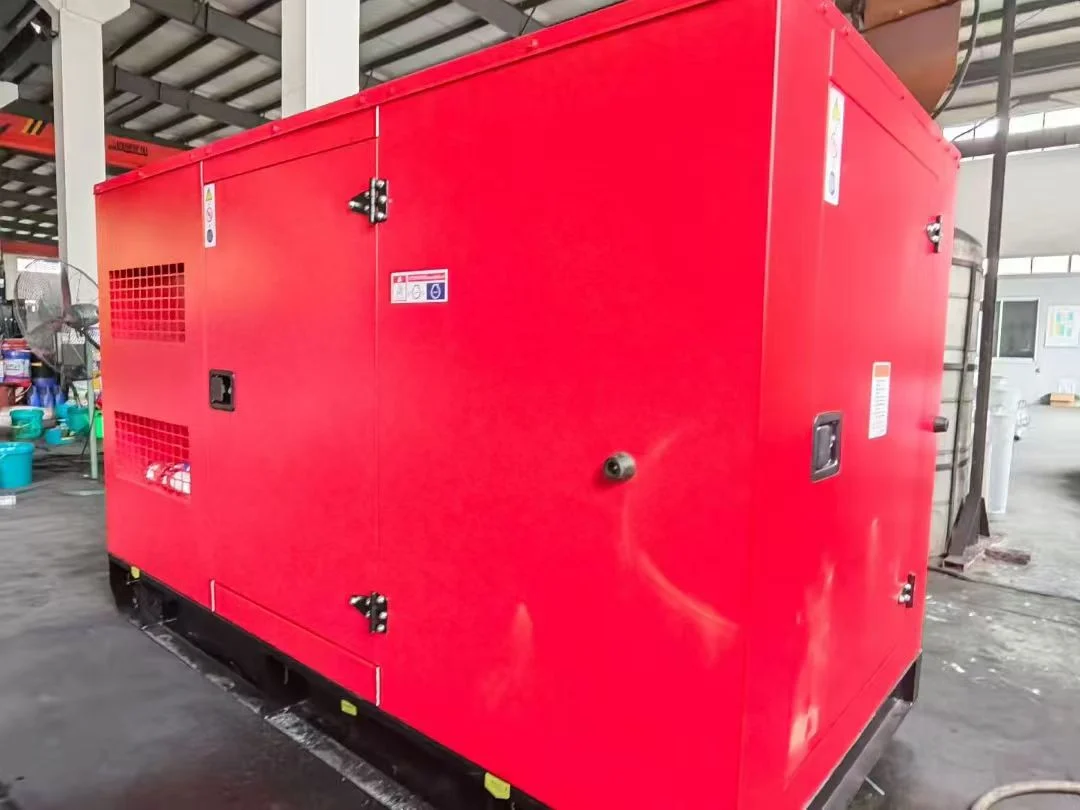
Silent Diesel Generators Built Around Noise, Airflow and Service Access
Reduce generator noise without treating the enclosure as a cosmetic box. Zentramo helps align the load, acoustic target, cooling path, controls and maintenance space into one project-ready generator configuration.
Direct answer
What Is a Silent Diesel Generator?
A silent diesel generator uses an engineered acoustic enclosure, airflow path and vibration isolation to reduce operating noise while maintaining cooling and service access.
For an accurate quotation, start with the application, access limits and required attachment—not an unverified model number.
| Decision layer | What belongs here |
|---|---|
| Known from the buyer | Required power, site noise limit and measurement distance, duty cycle, ambient conditions, voltage, frequency and installation clearance. |
| Configured for the project | Engine-alternator set, acoustic canopy, silencers, airflow design, base tank, controller and connection accessories. |
| Verified before order | Load performance, temperature rise, noise test conditions, vibration isolation, protection functions and documents. |
What Is a Silent Diesel Generator?
A silent diesel generator is a diesel genset enclosed in a purpose-designed acoustic and weather-protective canopy. The enclosure combines sound-absorbing treatment, controlled air paths, exhaust silencing, vibration isolation and service doors while preserving the combustion air and radiator airflow the generator needs.
Acoustic lining
Absorptive materials help control airborne engine and mechanical noise inside the enclosure.
Baffled airflow
Intake and discharge paths are shaped to limit direct sound escape while moving enough cooling air.
Exhaust silencing
The exhaust system uses a suitable silencer and routing arrangement to control exhaust noise and heat safely.
Vibration isolation
Engine-alternator mounting and enclosure interfaces help reduce structure-borne vibration.
Note: “Silent” does not mean zero noise. A meaningful acoustic offer states the sound unit, measurement distance, operating load, environment and test method.
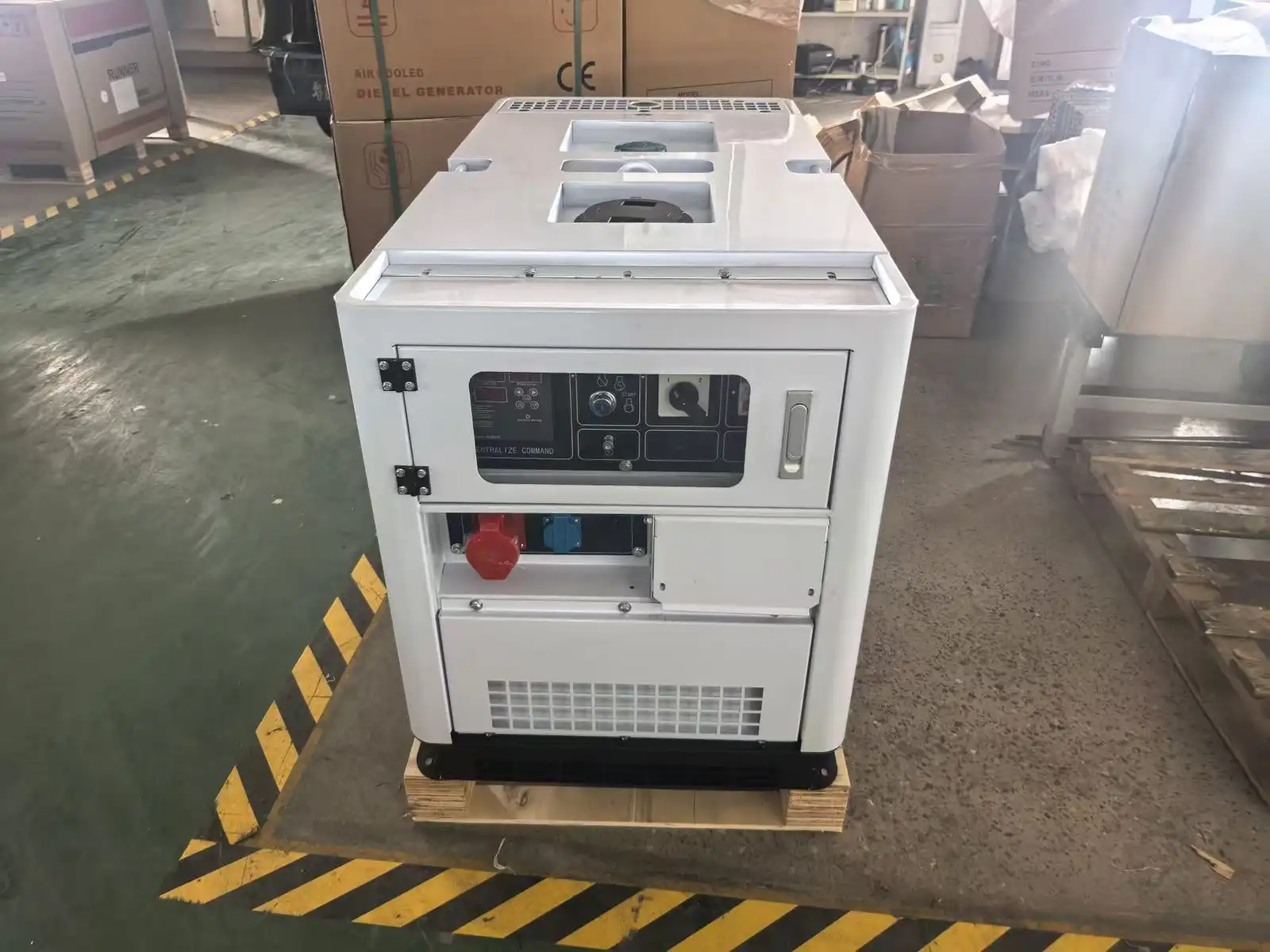
Configure the Genset Before You Compare the Canopy
The correct enclosure depends on the power package and the site. Start with the load and duty, then confirm acoustic, cooling, control and maintenance requirements on one scope.
| Decision field | Project options | Buyer confirmation |
|---|---|---|
| Output and duty | Standby or prime, kW and kVA | Running load, largest start, hours and reserve. |
| Electrical system | Voltage, phase, 50/60 Hz | Destination standard, earthing, breaker and switchgear. |
| Acoustic target | Project sound requirement | Unit, distance, load, boundary and acceptance method. |
| Enclosure exposure | Outdoor canopy, indoor acoustic package or container | Rain, dust, corrosion, temperature, altitude and access. |
| Cooling and airflow | Engine-radiator package with planned intake/discharge | Clearance, recirculation, wind and maximum ambient. |
| Control and transfer | Manual, AMF/ATS or remote monitoring | Utility interface, alarms, communication and transfer logic. |
| Fuel autonomy | Base or external tank | Runtime, refueling, containment and regulations. |
| Serviceability | Doors, removable panels and clearance | Filters, battery, coolant, controller and component removal. |
Note: Final component models, ratings and dimensions are confirmed in the project quotation.
How a Silent Diesel Generator Reduces Noise
Effective noise control is a system. Blocking one opening without protecting cooling performance can create a generator that is quiet briefly and unreliable under load.
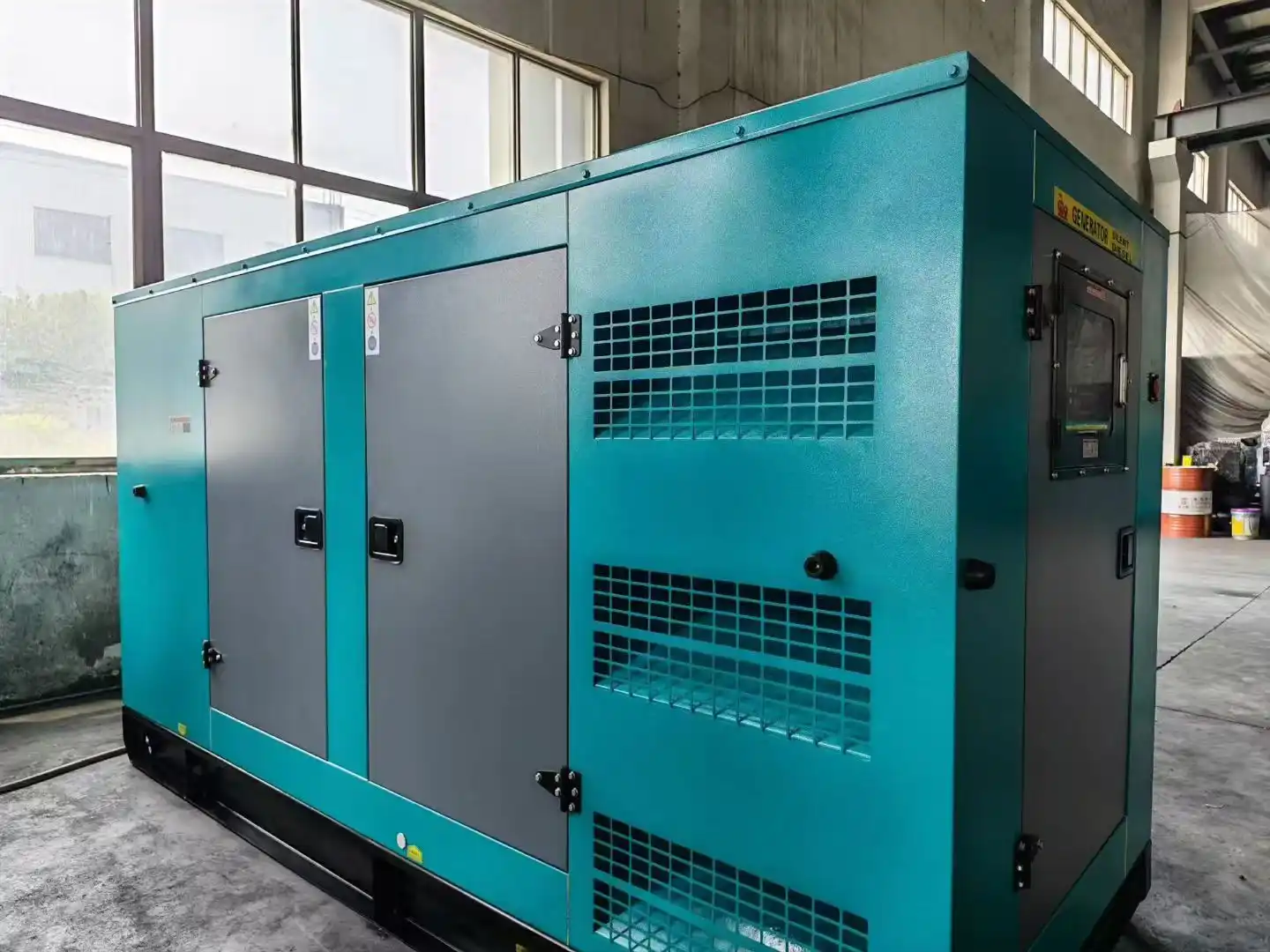
Control sound at the source
Separate combustion, fan, exhaust, intake and vibration paths.
Absorb internal reflections
Acoustic lining reduces reflections inside the metal canopy.
Break the direct air path
Baffles and lined ducts reduce line-of-sight sound escape.
Silence the exhaust safely
Coordinate silencer, pipe size, back pressure, heat shielding and discharge.
Isolate vibration
Anti-vibration mounts and a stable base reduce structure-borne noise.
Verify under stated conditions
Review sound at the agreed load, distance and environment alongside electrical and temperature checks.
Important: More acoustic restriction is not automatically better. Preserve combustion air, radiator performance and safe exhaust flow.
Compare Noise Levels on the Same Test Basis
Two noise figures cannot be compared fairly unless they use the same unit, distance, load condition, environment and measuring arrangement.
Measurement distance
A farther reading is normally lower; confirm distance and microphone positions.
Operating load
No-load, partial-load and rated-load tests are not equivalent.
Test environment
Open field, factory, rooftop and walled sites reflect sound differently.
Metric and method
Confirm sound pressure or sound power, weighting, averaging and maximum method.
Sample Specification Request:
“Please state the declared acoustic value, unit, measurement distance, generator load, test environment, microphone positions and referenced procedure.”
Choose the Structure That Matches the Site
Choose after confirming noise boundary, ambient, footprint, transport route, service clearance and duty—not appearance alone.
Open Diesel Generator
Direct access, but the room/site provides weather protection, acoustic treatment, ventilation and security.
Silent Diesel Generator
Integrates weather and acoustic treatment in a compact canopy with planned service access.
Containerized Generator
More protected space for larger packages and harsh sites, with a larger footprint and coordinated connections.
Avoid the Problems Hidden Behind a Closed Canopy
Problem: dB claim has no conditions
Consequence: Offer cannot be matched to the project.
Response: Put distance, load, environment, unit and method into the offer.
Problem: Enclosure restricts hot-air discharge
Consequence: Heat recirculation, derating or shutdown.
Response: Review intake, radiator discharge, clearance, wind, altitude and ambient together.
Problem: Service points are trapped behind narrow doors
Consequence: Slower maintenance and difficult component removal.
Response: Confirm access to filters, battery, coolant, controller, breaker and lifting/removal routes.
Problem: Quote covers only the generator box
Consequence: ATS, breaker, fuel, cabling, exhaust, commissioning, documents or spares become extra.
Response: Compare one written supply boundary and explicit exclusions.
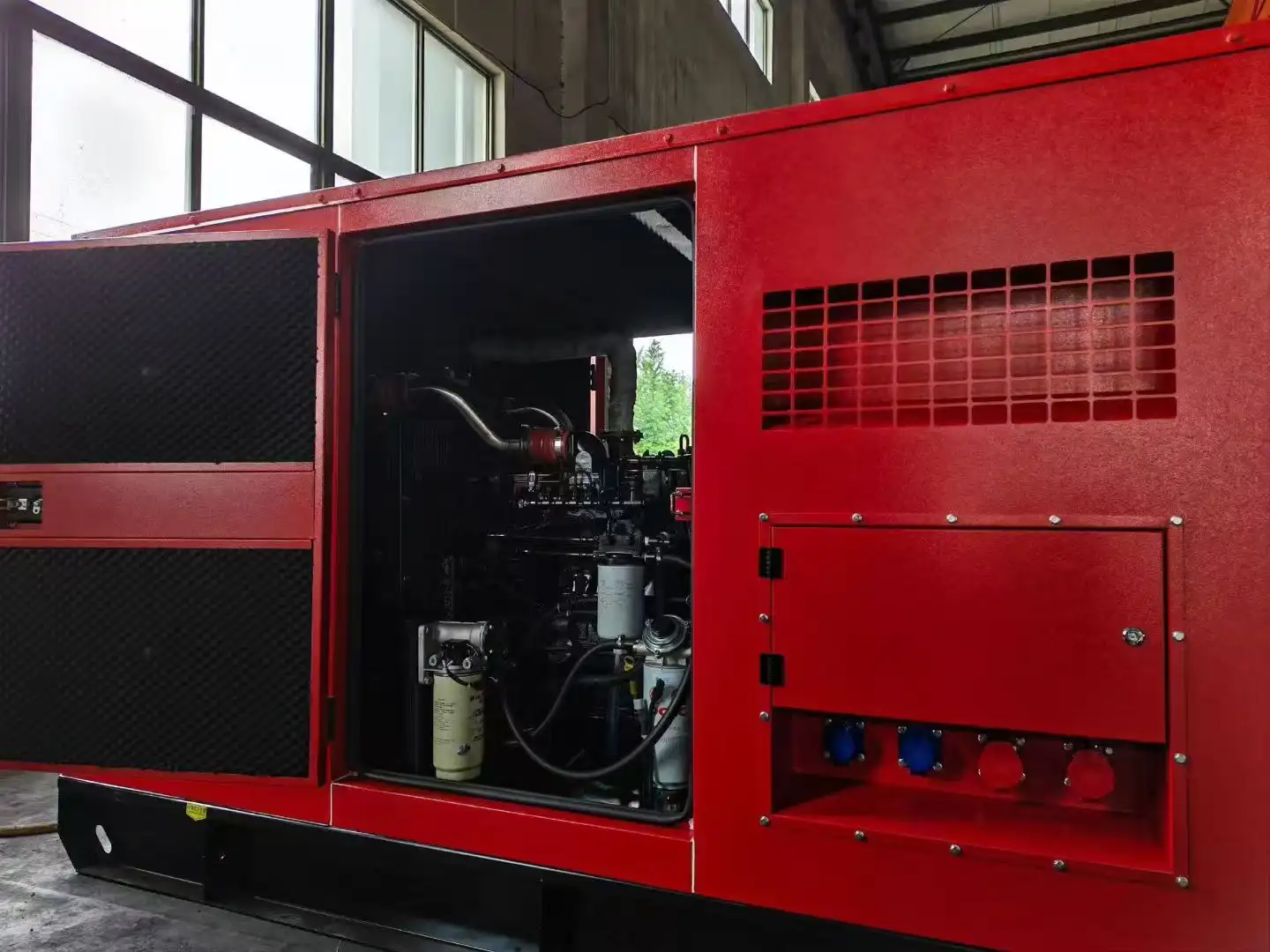
Where Silent Diesel Generators Add the Most Value
Factories & Workshops
Motor starting, staged pickup and maintenance access.
Hospitals, Hotels & Commercial
Acoustic limits, ATS, test schedule, exhaust and critical loads.
Data & Communications
Transfer logic, redundancy, fuel autonomy, remote alarms and boundary noise.
Construction & Temporary
Rugged connection, mobility, refueling, dust and changing site layout.
Remote & Community Power
Prime duty, service planning, fuel logistics, weather protection and spares.
Procurement Note: Residential backup may also use an acoustic canopy, but this page is for commercial and industrial procurement. Installation follows qualified electrical, structural, ventilation, exhaust, fuel and fire-safety design.
What Changes the Price of a Silent Diesel Generator?
Price is shaped by the complete power package and acoustic requirement—not the kW label alone.
Buyer Checklist
To get a true comparative price, ensure vendors quote the exact same parameters:
- Same kW/kVA and duty
- Voltage, frequency, acoustic test basis
- Canopy, controls, ATS, tank autonomy, breaker
- Accessories, inspection documents
- Warranty terms and exclusions
From Approved Configuration to Pre-Dispatch Check
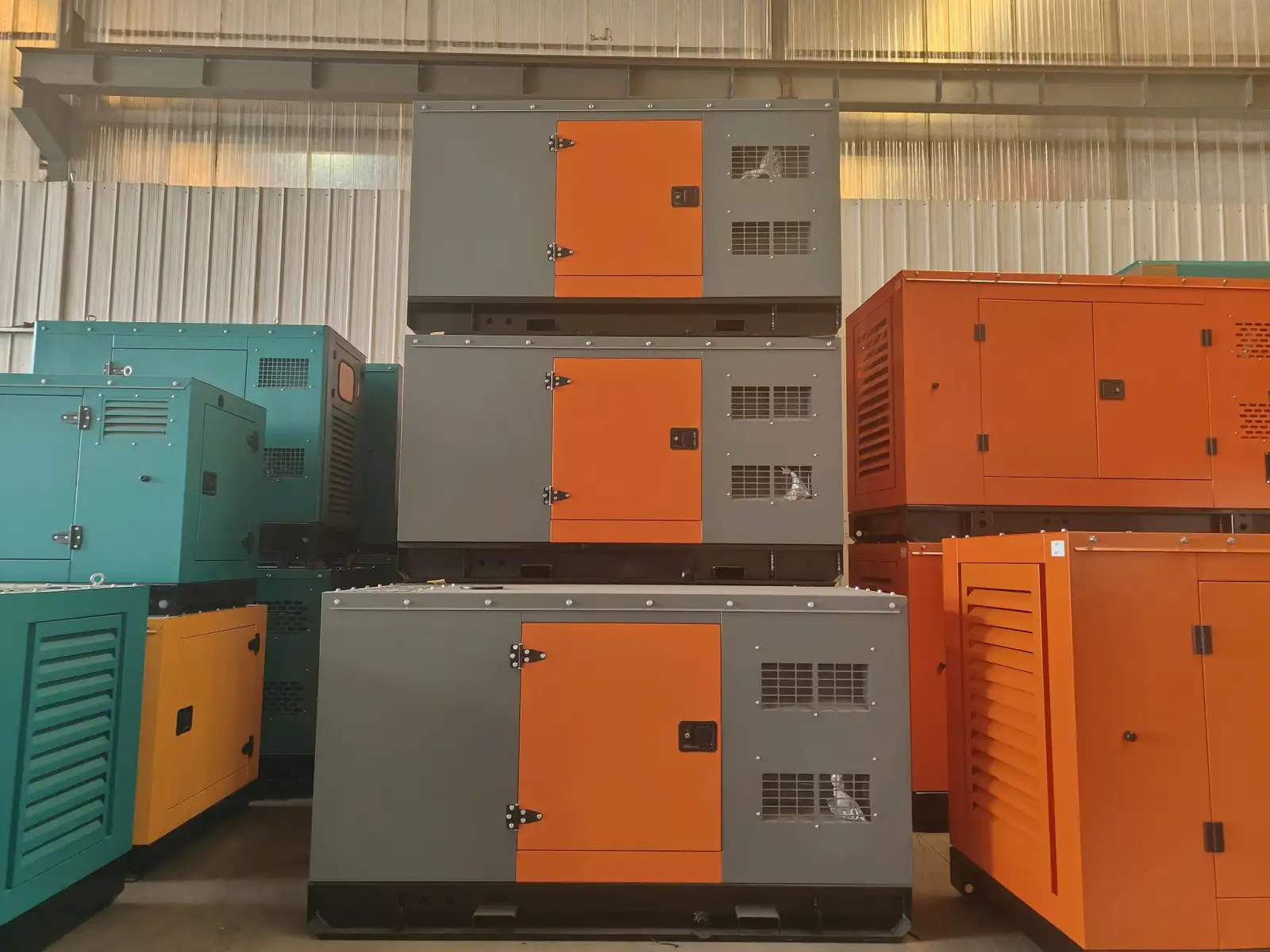
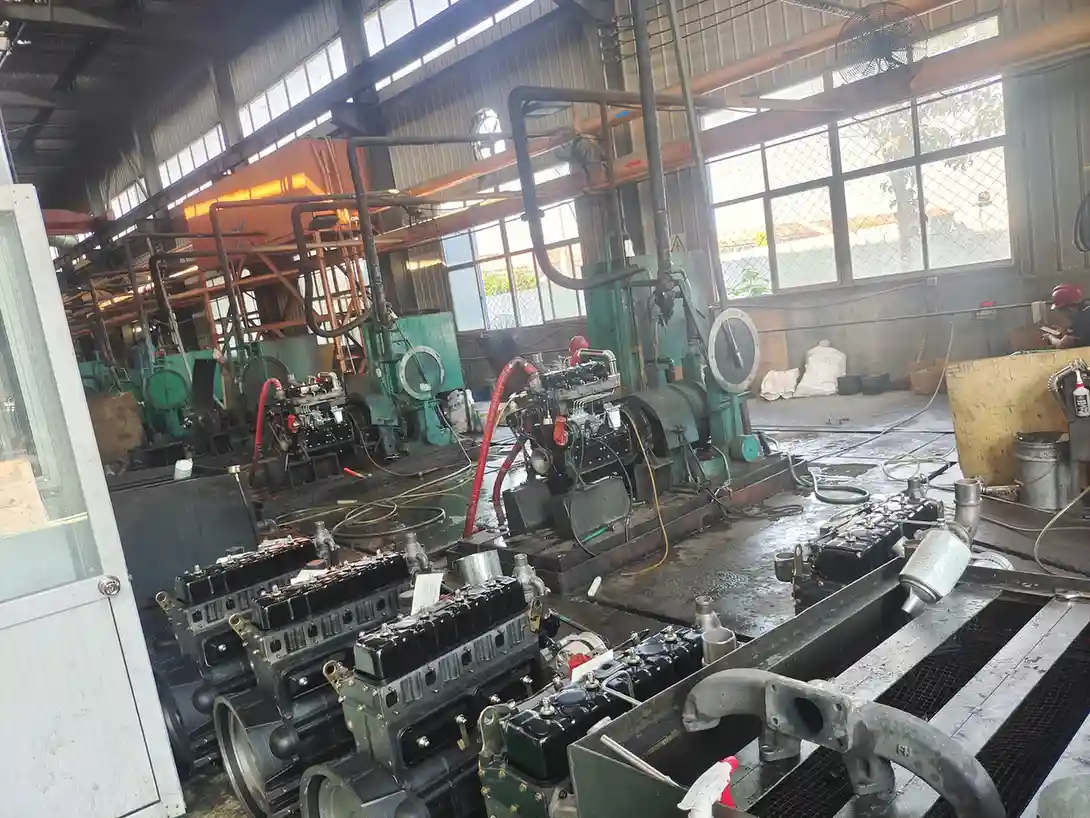
Shandong Hongrui coordinates generator-set supply, customization, logistics, sales and after-sales service. Production starts from an approved technical scope so the same configuration is checked.
Requirement review
Load, duty, electrical standard, acoustic basis, ambient, enclosure, controls and accessories.
Component & layout confirmation
Engine, alternator, controller, breaker, cooling, exhaust, fuel and service doors.
Assembly & enclosure checks
Identification, connections, mounting, panel fit, doors, airflow openings and accessories.
Inspection & functional testing
Agreed electrical output, controls, alarms, operating condition and documented checks. If acoustic acceptance is required, agree test conditions first.
Documentation review
Match nameplate, configuration records, manuals, packing list and contractually required compliance documents.
Ask for Evidence That Matches the Order
An inspection record should identify the machine and tested configuration. Buyers may request agreed photos, test records, document copies or a remote factory-acceptance review before shipment, subject to order scope.
Prepare the Generator for the Destination, Not Just the Factory Gate
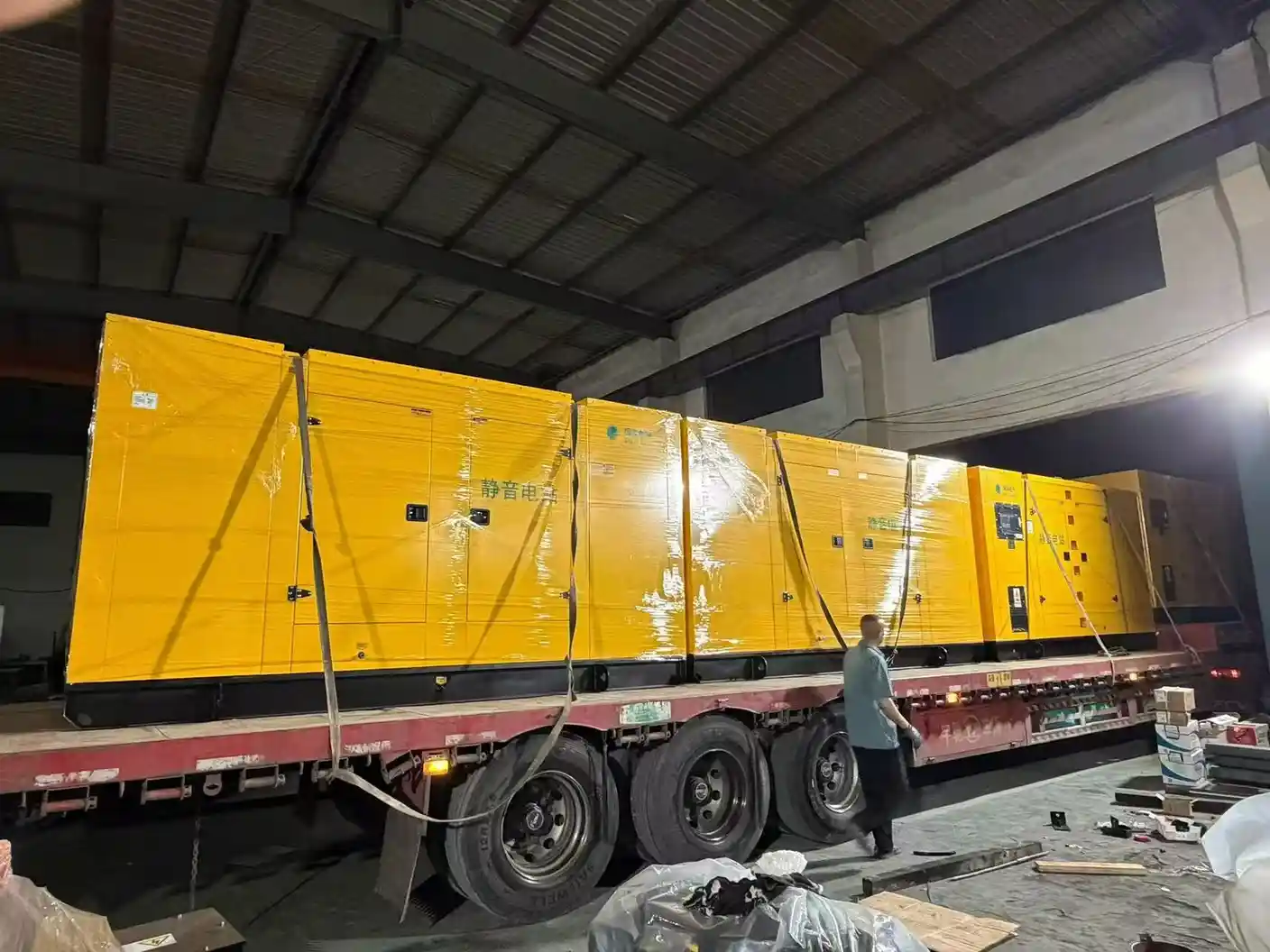
Packing & Transport Planning
Confirm dimensions, weight, lifting points, loose accessories, weather protection and the route to installation.
Documents & Compliance File
Define manuals, drawings, packing list, test records and contractually required certificates/declarations. Do not assume every market requires the same documents.
Commissioning & After-Sales Handoff
Align responsibilities, pre-start checks, operator information, recommended spares and support route.
Customer Acceptance: Buyers are welcome to discuss a factory visit, remote video inspection, sample document review or pre-shipment acceptance where included in the order plan.
How to Choose a Silent Diesel Generator
Send the real load list
Simultaneous load, largest starts, methods, PF and critical loads.
Define duty
Emergency standby, frequent backup, prime or approved operating pattern.
Write the acoustic requirement
Project boundary, point, load and acceptance method.
Describe the site
Temperature, altitude, dust, rain, corrosion, footprint, access and clearance.
Confirm interface
Voltage, phase, frequency, earthing, ATS, alarms, communication and distribution.
Compare the same scope
Engine, alternator, controller, breaker, tank, canopy, accessories, tests, documents, packing, warranty and exclusions.
Final Project Checklist
Silent Diesel Generator Procurement Questions
How do silent diesel generators reduce noise?
What is the difference between silent and open?
What noise level should I ask for?
Does a soundproof canopy reduce output?
What features should I look for?
How much does it cost?
Can it be prime power?
What is needed for a quote?
Can I inspect before shipment?
Continue the Generator Selection
Define the Noise Target Before You Order the Canopy
Send the load list, duty, electrical standard, site conditions and required acoustic test basis. Zentramo will help organize them into a comparable silent diesel generator configuration and quotation scope.
Helpful files to prepare: load schedule, single-line diagram, motor list, site plan, noise requirement and destination electrical standard.
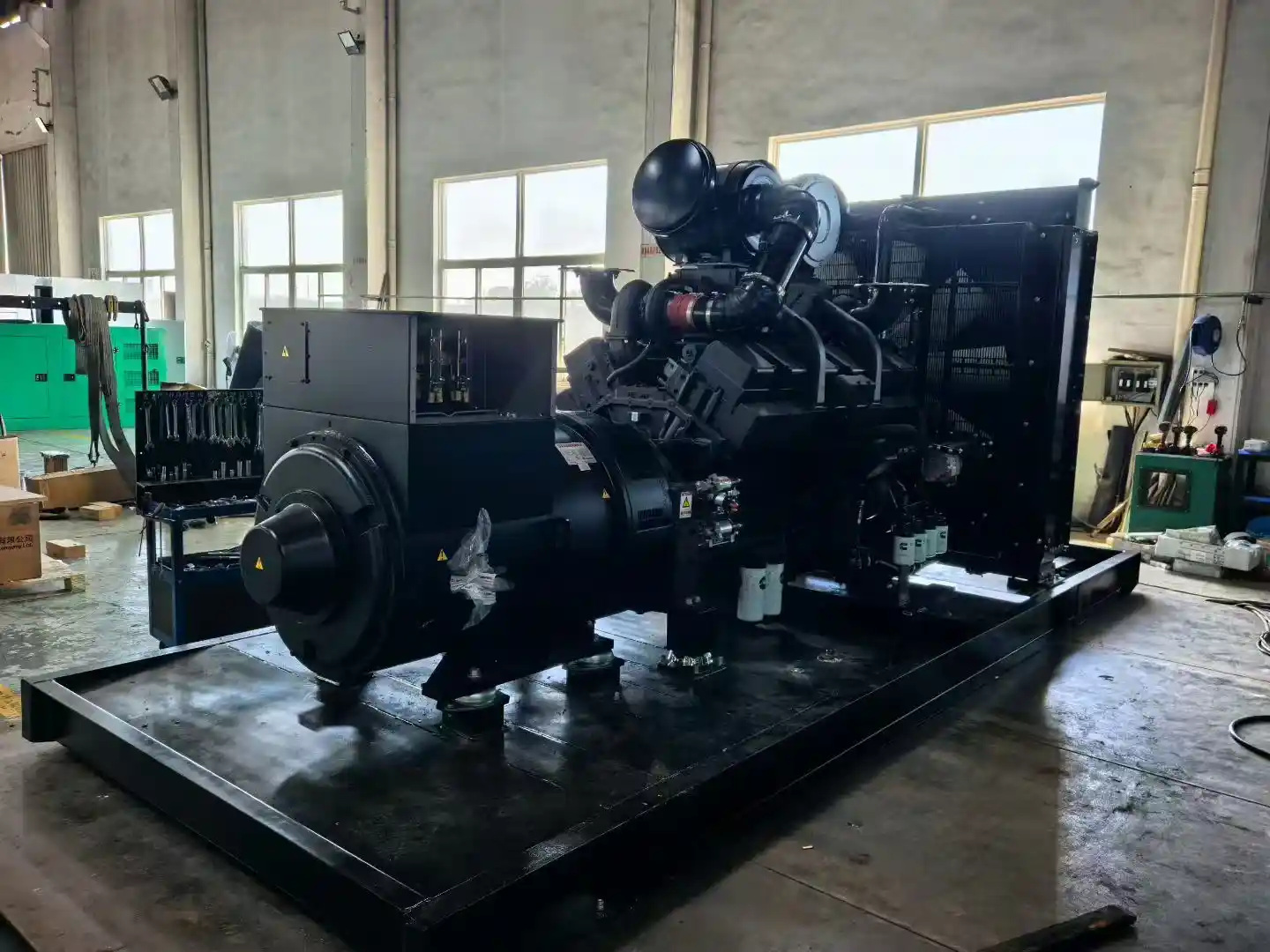
Evidence before commitment
Production, Inspection and Delivery Evidence
A professional offer should connect the proposed configuration to evidence that can be checked before dispatch. Availability and document scope are confirmed for the specific order.
Production record
Configuration review, assembly checkpoints and key component traceability where applicable.
Inspection & testing
Function checks, leak inspection and order-specific test items recorded before shipment.
Certificates & documents
Required compliance documents are verified against destination and project requirements before order.
Packing & shipping
Packing method, loading photos and dispatch documents can be included in the delivery file.
Buyer visit or pre-shipment acceptance
Factory visits, remote video inspection or third-party pre-shipment checks can be coordinated when agreed. Published claims are not substituted for order-specific acceptance evidence.