
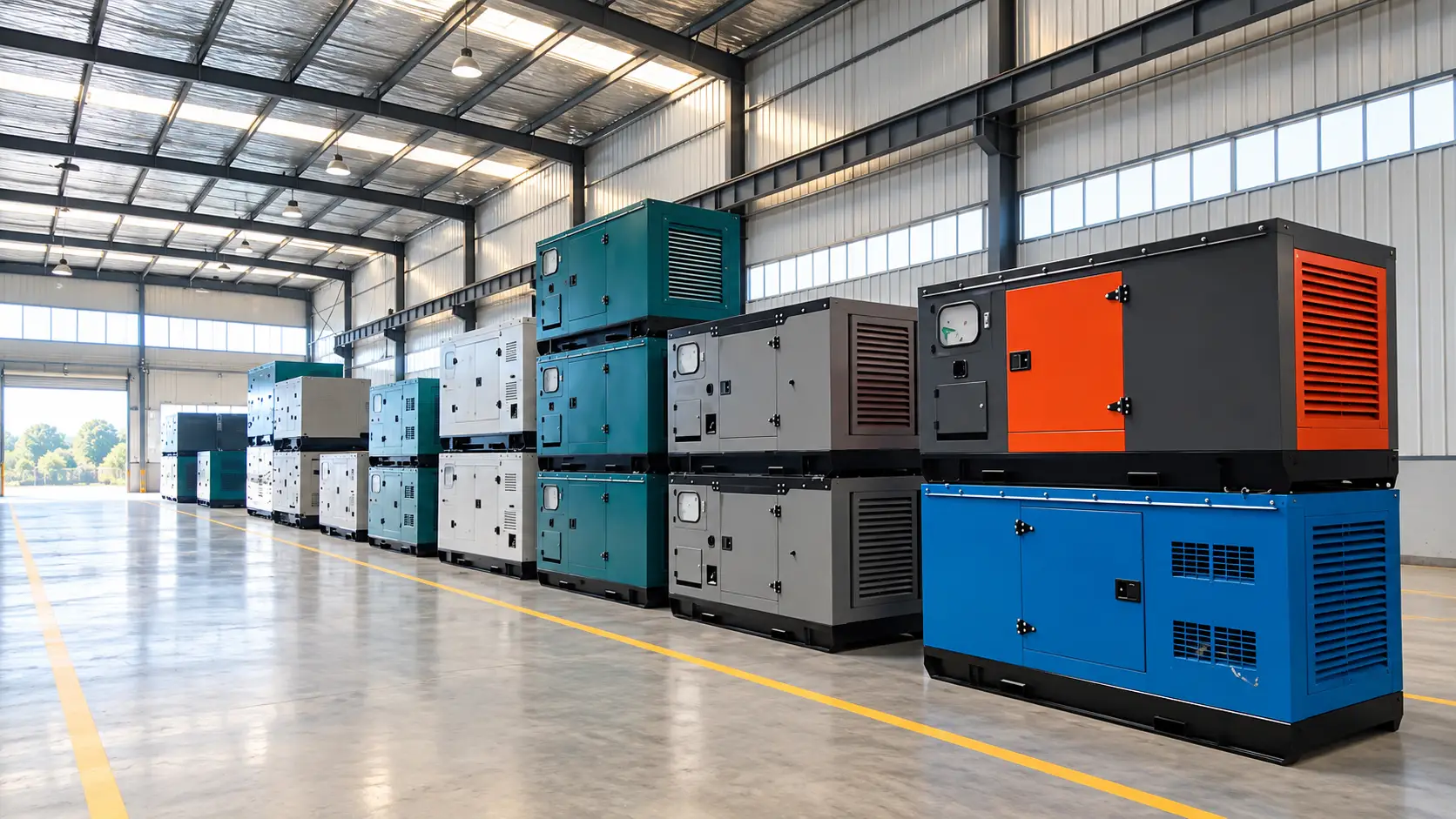
Gensets Configured Around Load, Fuel and Site Conditions
Choose a diesel or gas generator set from the way the site will actually operate—not from a kVA label alone. Define the load profile, standby or prime duty, fuel supply, voltage, frequency, enclosure and control scope before comparing quotations.
Open, silent, mobile and containerized configurations • 50 Hz and 60 Hz project options • ATS and control integration available
Direct answer
What Is a Genset?
A genset is a complete engine-generator package engineered to convert fuel into controlled electrical power for standby, prime or continuous-duty applications.
For an accurate quotation, start with the application, access limits and required attachment—not an unverified model number.
| Decision layer | What belongs here |
|---|---|
| Known from the buyer | Load schedule, largest motor start, target runtime, installation location, voltage, frequency and service expectations. |
| Configured for the project | Fuel type, rating class, engine, alternator, controller, enclosure, tank, transfer interface and accessories. |
| Verified before order | Output and transient test results, protection functions, consumption basis, noise target and required compliance documents. |
Start with the Fuel Path, Then Confirm the System
Fuel availability changes the engine, operating plan and information needed before a set can be selected. Both pathways still require a real load schedule, duty definition and site review.
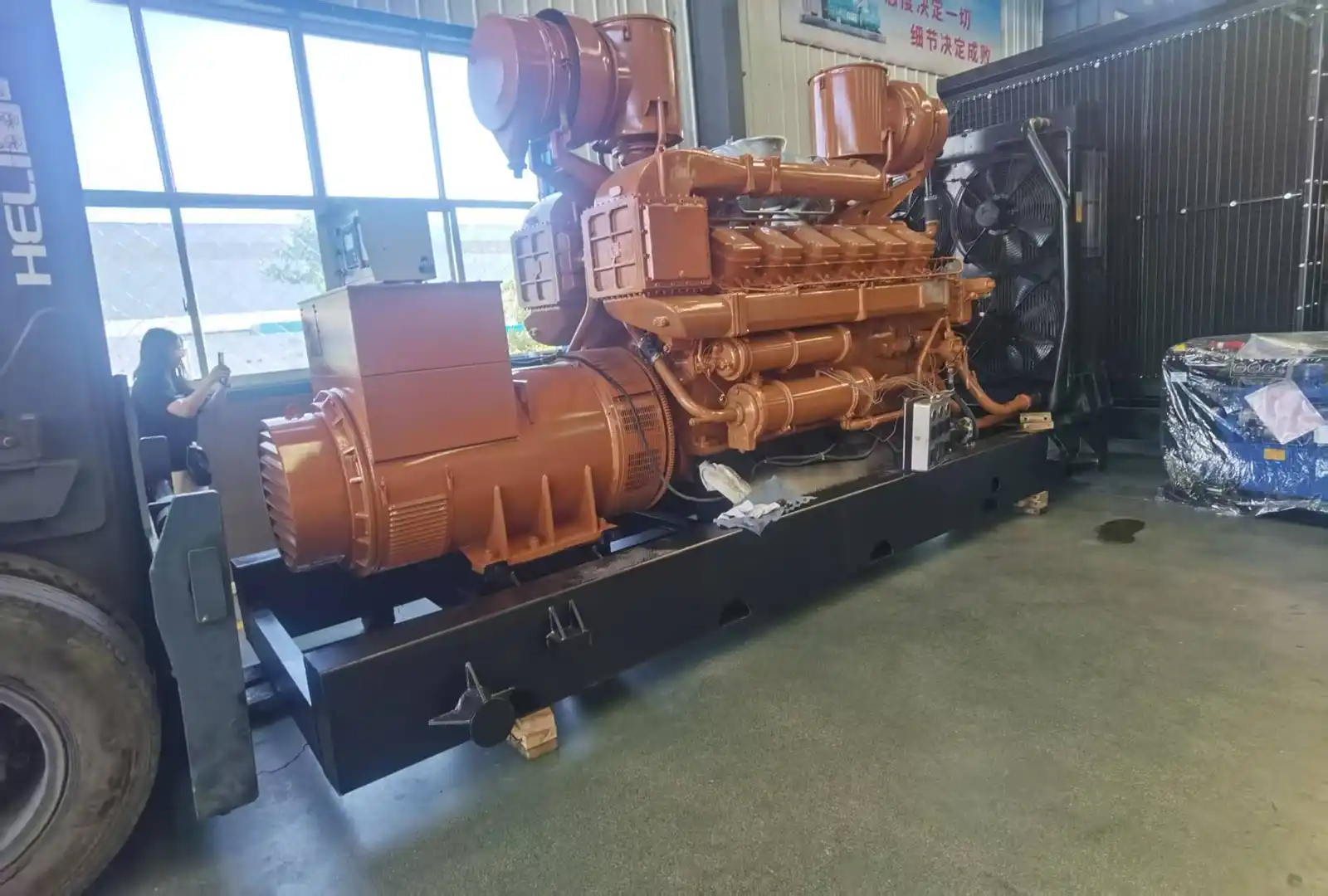
Diesel Gensets
A practical route for standby power and prime-power projects where stored liquid fuel and refuelling can be planned. Selection still depends on motor starting demand, operating hours, ambient conditions, noise limits and the complete accessory scope.
- Stored-fuel plan
- Standby or prime rating
- Open, silent, mobile or containerized installation
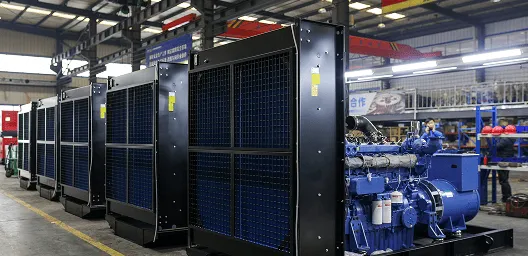
Gas Gensets
Suitable where a stable gaseous-fuel source can be verified. Before selection, confirm gas type, composition, pressure, flow, temperature and whether the project is standby, prime or continuous. The gas-supply data is part of the equipment specification, not an afterthought.
- Natural gas, biogas or other verified gas source
- Pressure, flow and composition review
- Operating-duty and controls review
Five Decisions Control the Final Genset Configuration
Actual load and starting event
List simultaneous running loads, the largest motor or compressor start, starting method and load sequence. Starting demand can govern alternator and engine selection even when running kW looks modest.
Operating duty
State whether the set is emergency standby, prime power for extended variable load, or part of a continuous-power system. Ratings must be compared on the same duty basis.
Electrical system
Confirm voltage, phase, frequency, power factor, connection arrangement and any sensitive or nonlinear loads. Use both kW and kVA in the specification.
Fuel and autonomy
For diesel, define refuelling access and target runtime. For gas, provide the fuel analysis and supply conditions required for engine review.
Site and installation
Record altitude, ambient temperature, dust, humidity, weather exposure, noise limit, room airflow, exhaust route, lifting access and service clearance.
A quotation is comparable only when these inputs are comparable.
Require every supplier to state the rating basis, component identity, enclosure, controls, included accessories, exclusions and applicable test documents.
The Same 300 kW Output Can Use Different Engine Configurations
These silent 50 Hz examples share the listed electrical output, speed, alternator and controller. The engine model remains a defined purchasing choice. Final suitability still depends on the real load and site.
| Specification | Cummins-Powered Configuration | SDEC-Powered Configuration |
|---|---|---|
| Generator output | 300 kW | 300 kW |
| Construction | Silent type | Silent type |
| Engine model | 6ZTAA13-G3 | SC10E480D2 |
| Frequency | 50 Hz | 50 Hz |
| Engine speed | 1,500 rpm | 1,500 rpm |
| Alternator | DN-300 | DN-300 |
| Controller | DSE6120 | DSE6120 |
Product example for configuration comparison. It does not replace project-specific sizing or derating review.
For more detail on how generator components and ratings fit together, review our generator set selection overview.
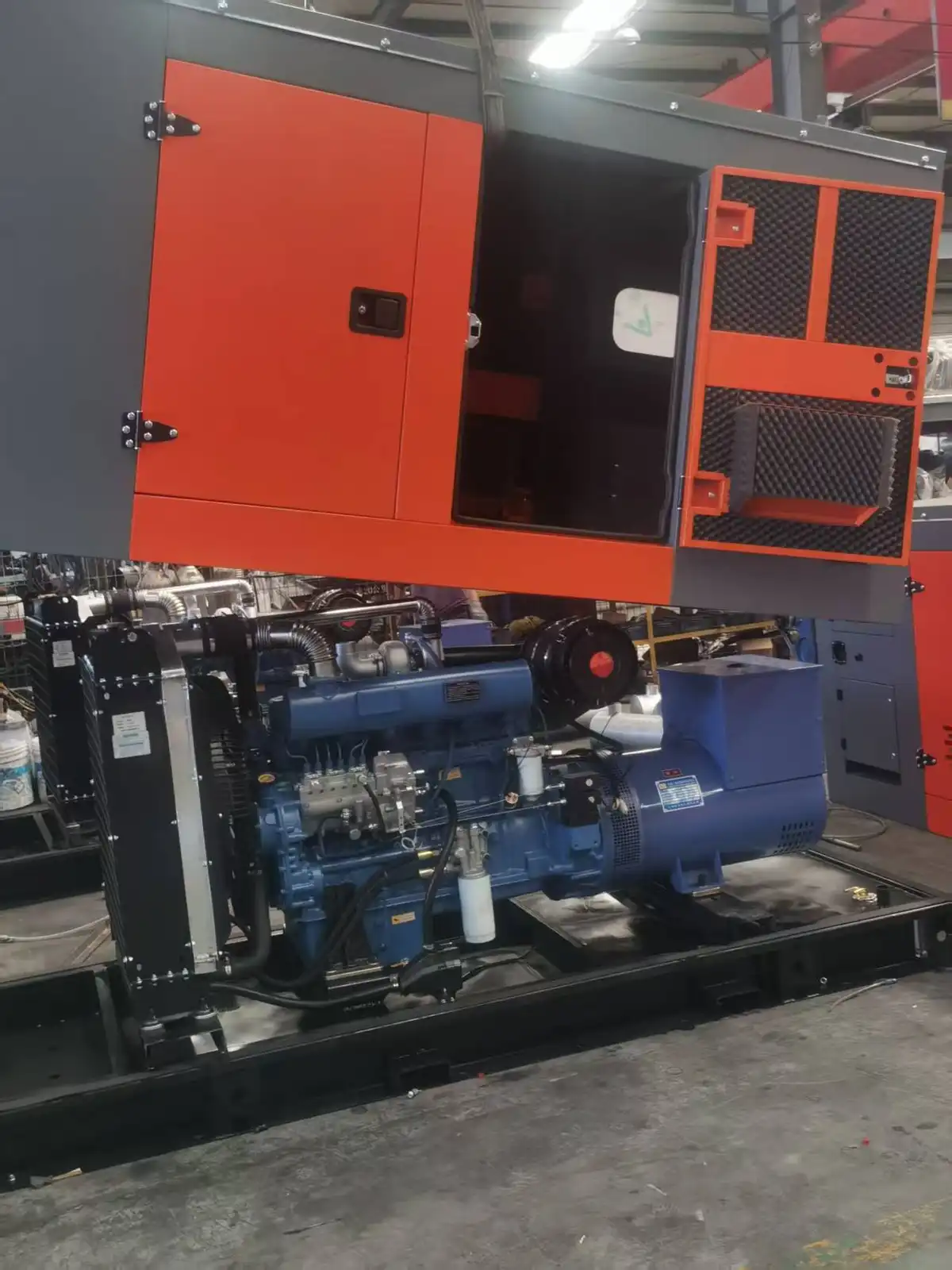
Choose the Installation Format Around the Site
An enclosure is not a cosmetic option. It affects cooling, sound attenuation, weather protection, service access, lifting, transport and the space needed around the set.
Open type
Generator rooms or protected installations where the project provides ventilation, exhaust routing, acoustic treatment and weather protection.
Silent canopy
Outdoor or noise-sensitive sites that need an integrated enclosure; confirm the required dB(A), measurement distance, airflow and maintenance access.
Mobile or trailer
Projects that move between work sites; confirm road rules, towing arrangement, stabilisation, cable handling and fuel autonomy.
Containerized
Larger systems or exposed sites needing an integrated package; review cooling, exhaust, fire and service layout as part of the project.
Controls and transfer equipment belong in the same scope
If the set must start automatically during a mains failure, define ATS and AMF requirements. For multiple units, state whether synchronising, load sharing, redundancy or future expansion is required. Confirm switchgear and protection responsibilities before ordering.
Prevent the Problems That Appear After Delivery
The genset carries the running load but not the largest start
Voltage dip, nuisance trips or stalled motors during load pickup.
Size from the largest starting event, starting method and load sequence; review alternator response as well as engine output.
A standby rating is compared with a prime rating
Quotes look similar while duty capability and operating assumptions differ.
Put the operating duty, annual hours and expected load pattern into the same written specification for every supplier.
The enclosure fits the drawing but the site cannot breathe
Hot-air recirculation, reduced output, service obstruction or excessive noise.
Review airflow path, ambient temperature, altitude, exhaust, access and noise measurement conditions before footprint approval.
The lowest quote excludes the system around the engine
ATS, breaker, battery charger, fuel system, cables, testing or export documents become unplanned costs.
Compare one line-by-line scope that names included components, accessories, tests, documents and exclusions.
From Assembly Review to Export Dispatch
A clear project file should connect the approved configuration to the unit inspected and packed for shipment.
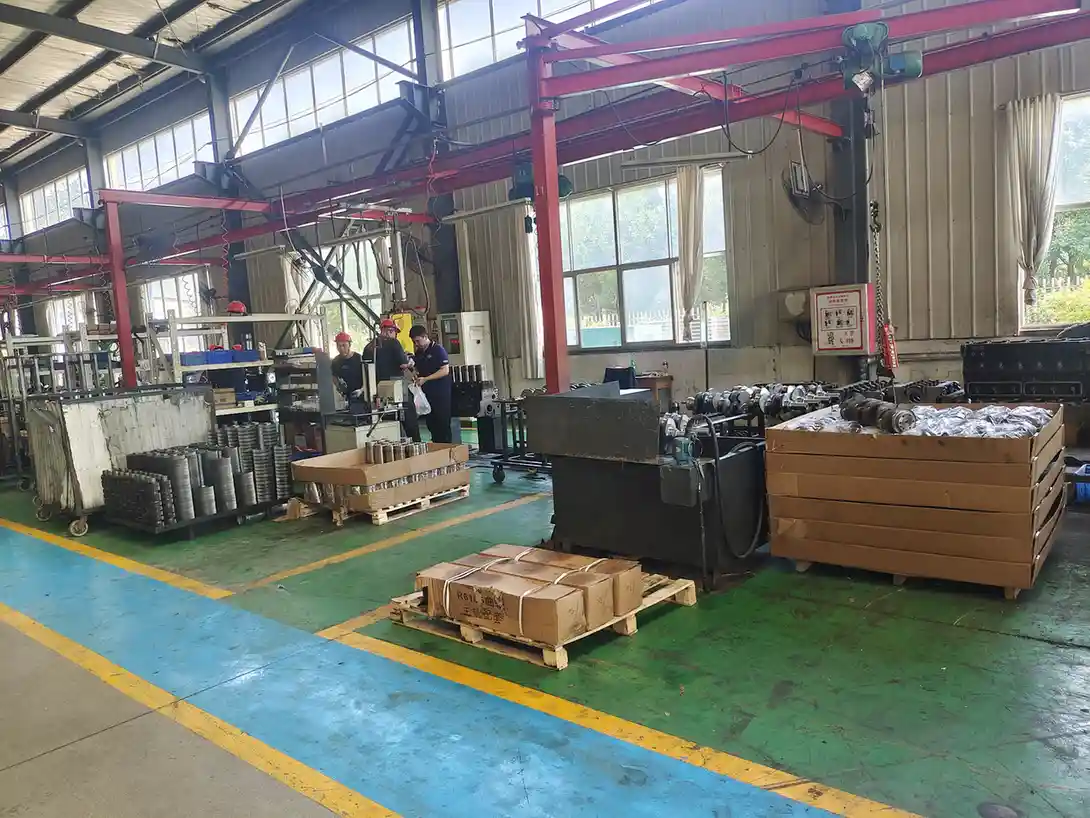
Configuration and Assembly
The engine, alternator, controller, base, cooling arrangement, enclosure and selected accessories should match the approved bill of materials and project drawing before final assembly is closed.
- • Component make and model
- • Rating and serial identity
- • Approved accessories and deviations
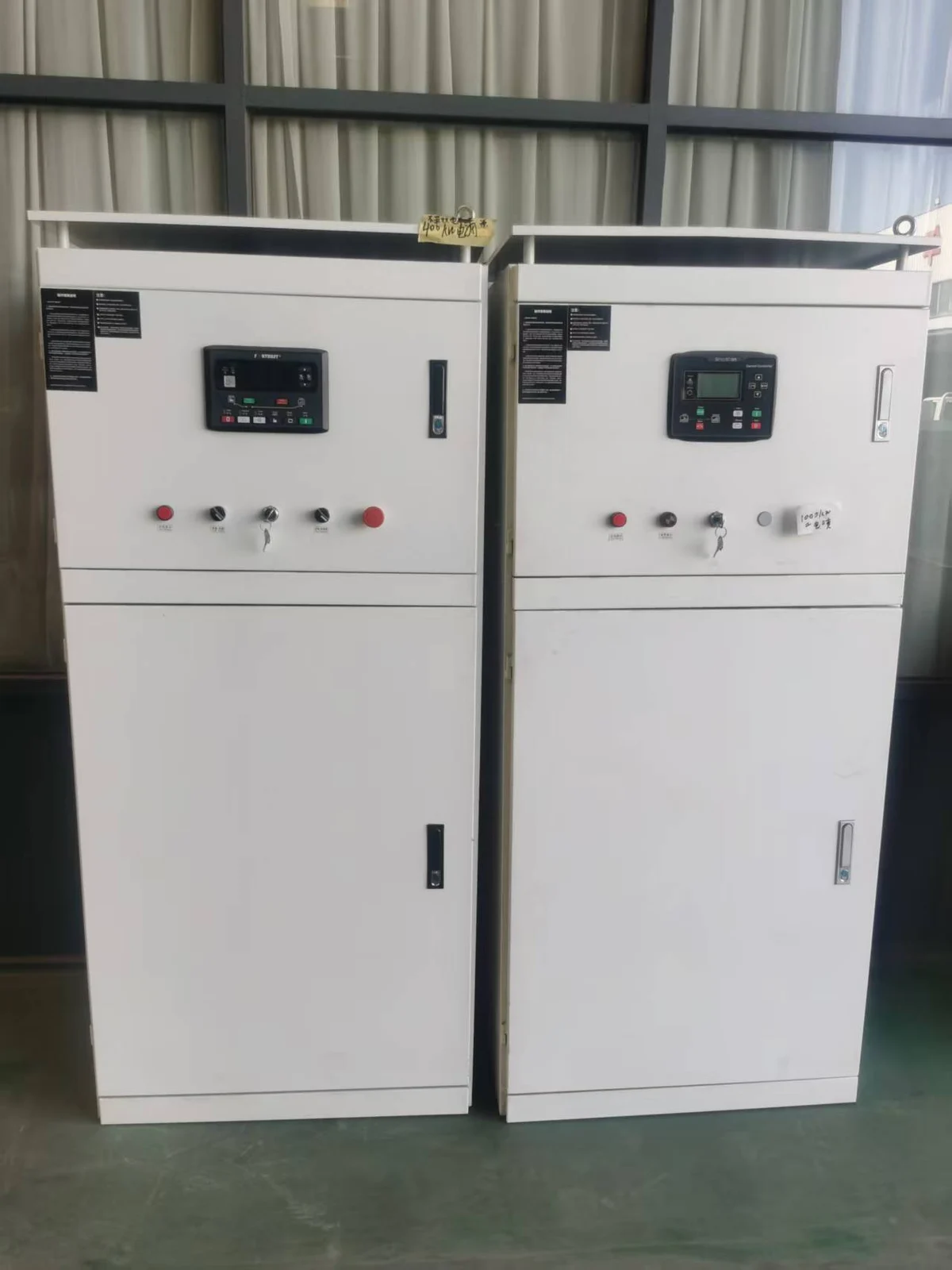
Inspection and Functional Checks
Pre-shipment review should cover assembly condition, wiring and terminal checks, controller settings, protection functions, starting and stopping behaviour, voltage and frequency stability, and the agreed load-test scope where applicable.
- • Inspection checklist
- • Controller and alarm review
- • Applicable test record
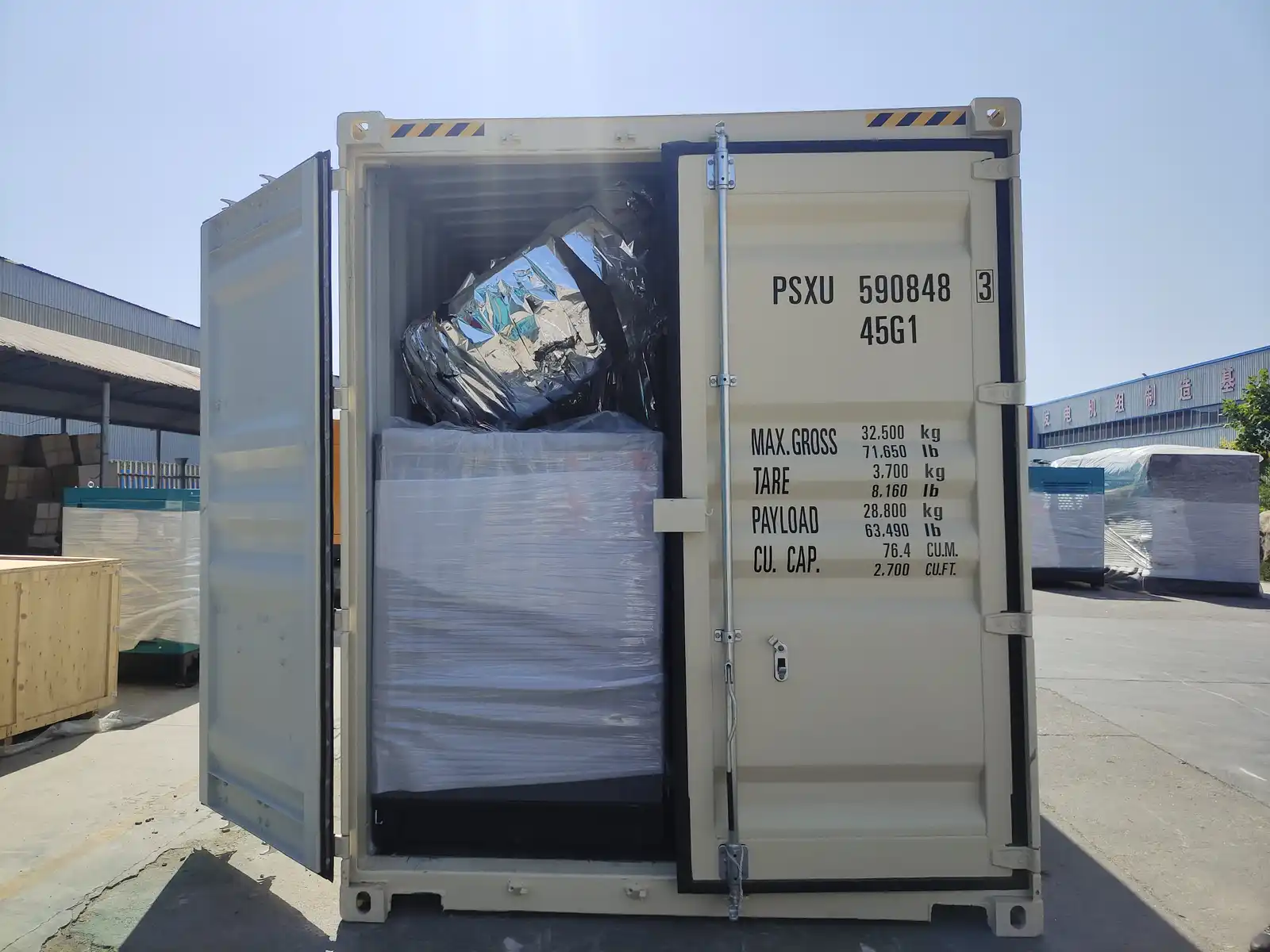
Protection, Loading and Dispatch
Packing and lashing should protect service doors, control panels, radiators, loose accessories and exposed connection points. Container loading must preserve lifting access and reduce movement during transport.
- • Packing method
- • Accessory and document list
- • Loading and dispatch photos
Verify Compliance and Documents for the Destination Market
Certificate and document requirements depend on the exact model, market, installation and tender. Confirm the applicable scope before treating any general company document as product approval.
Ask for the certificate number, issuing body, product scope and validity before relying on a badge in a quotation.
Technical identity
Data sheet, engine/alternator/controller models, rating basis, voltage, frequency and wiring information.
Inspection records
Agreed factory checklist and load-test or functional-test record when included in the order scope.
Market documentation
Confirm which declarations, certificates, emissions documents or third-party inspections apply to the exact supplied configuration.
Shipping file
Packing list, serial information, manuals, accessory list and agreed export documents.
Genset Selection Questions Buyers Ask First
How do I choose the right genset size for a small business or facility?
Build a load schedule rather than choosing from floor area or a single monthly bill. Record simultaneous running kW, the largest motor or compressor start, starting method, future loads and the sequence in which equipment connects. Then apply the correct duty rating and site derating. Oversizing is not automatically safer: it increases capital cost and may leave a diesel engine operating too lightly.
Should I specify kW or kVA?
Use both. kW is real power used by the load; kVA is apparent power and depends on power factor. At a 0.8 power factor, 100 kVA corresponds to 80 kW, but the quotation must state its assumed power factor and rating basis. Motor starting and nonlinear loads may still control the final alternator choice.
When should I compare diesel and natural-gas gensets?
| Decision factor | Diesel path | Natural-gas path |
|---|---|---|
| Fuel input | Stored fuel and refuelling plan | Verified gas type, pressure, flow and composition |
| Project review | Fuel autonomy, storage and maintenance plan | Fuel-quality and supply-system compatibility |
| Common selection use | Standby or prime projects where liquid fuel is practical | Projects with a dependable gas source and an operating profile suited to the engine |
Compare lifecycle and installation consequences only after the fuel supply, duty and local requirements are defined. Do not select from fuel price alone.
What changes between standby and prime power?
Standby describes emergency use during a normal source failure. Prime power covers extended variable-load operation where the set supplies the working source. The same model name may carry different ratings under different duties, so compare suppliers on the same declared basis.
What installation information is required before ordering?
- Indoor or outdoor location
- Room dimensions and airflow path
- Ambient temperature and altitude
- Noise limit and measurement condition
- Exhaust route
- Fuel storage or gas-supply data
- Cable route and earthing responsibility
- ATS, synchronising or remote-monitoring scope
- Lifting, access and service clearance
How should genset maintenance be planned?
Use the engine, alternator and controller manuals for the exact configuration. Combine calendar intervals, operating hours and condition checks. A standby set still needs routine exercise, battery and charger checks, fuel or gas-system inspection, coolant and oil review, alarm verification, enclosure and ventilation checks, and periodic loaded testing where the site plan requires it. Record completed work rather than relying on a generic residential schedule.
Continue with the Product Path That Matches Your Project
Factory Visit and Pre-Shipment Acceptance
For a project that requires additional verification, agree the inspection scope before production is complete. A buyer, appointed representative or approved third party can review the unit against the accepted configuration and inspection plan, subject to project arrangements.
Send the Inputs That Define a Comparable Genset
Share the load list, largest starting load, duty, voltage, frequency, fuel, site conditions, enclosure, controls and destination market. We can use the same scope to compare suitable diesel or gas configurations and identify items that still need confirmation.
Final ratings, component combinations, documents and commercial terms are confirmed for the selected configuration and order scope.
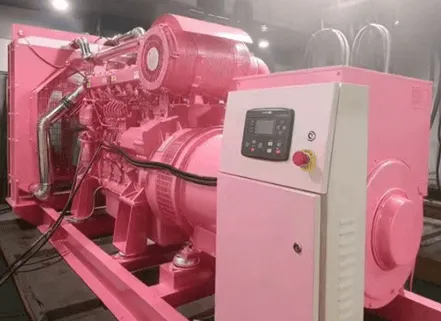
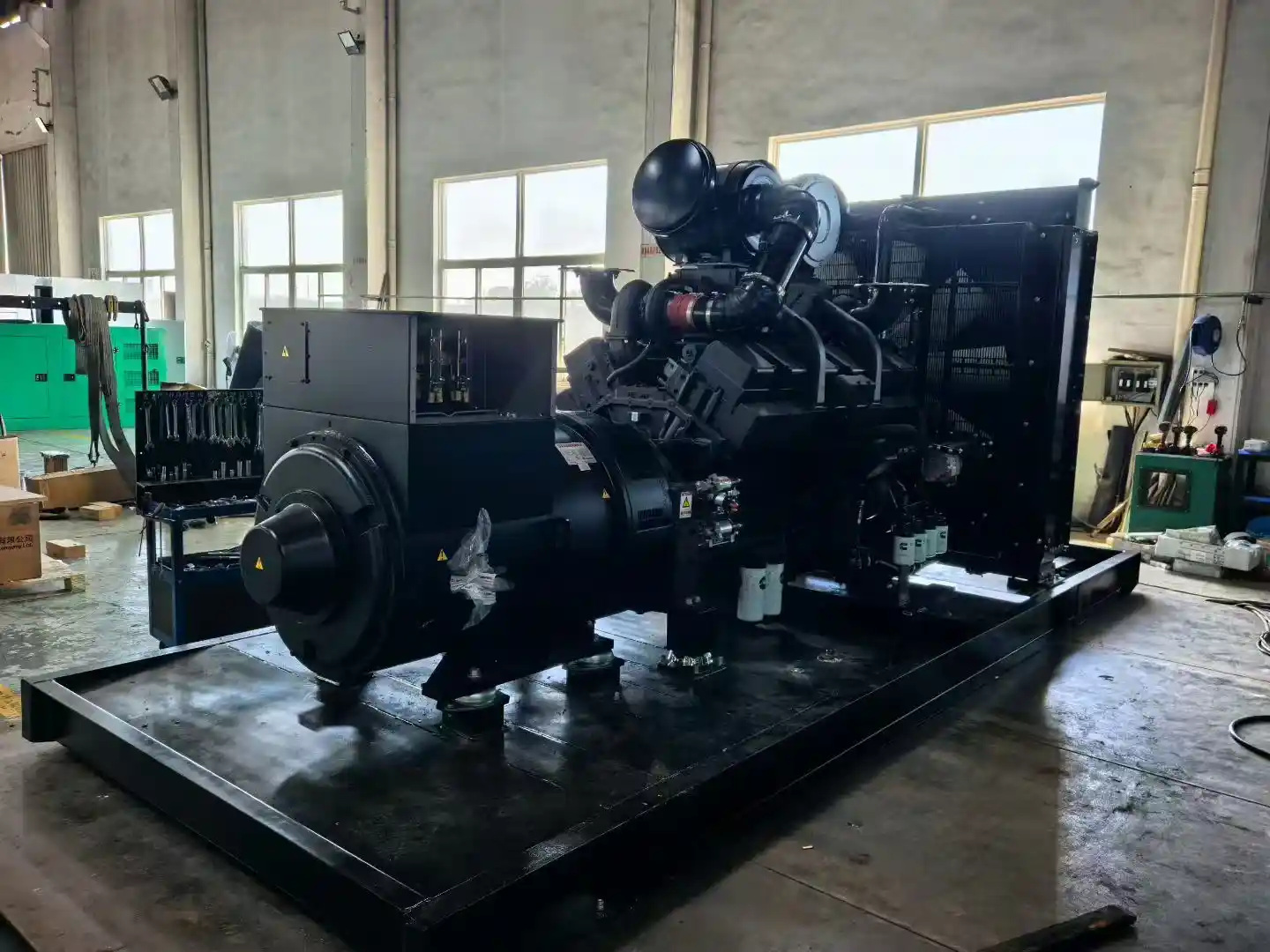
Evidence before commitment
Production, Inspection and Delivery Evidence
A professional offer should connect the proposed configuration to evidence that can be checked before dispatch. Availability and document scope are confirmed for the specific order.
Production record
Configuration review, assembly checkpoints and key component traceability where applicable.
Inspection & testing
Function checks, leak inspection and order-specific test items recorded before shipment.
Certificates & documents
Required compliance documents are verified against destination and project requirements before order.
Packing & shipping
Packing method, loading photos and dispatch documents can be included in the delivery file.
Buyer visit or pre-shipment acceptance
Factory visits, remote video inspection or third-party pre-shipment checks can be coordinated when agreed. Published claims are not substituted for order-specific acceptance evidence.