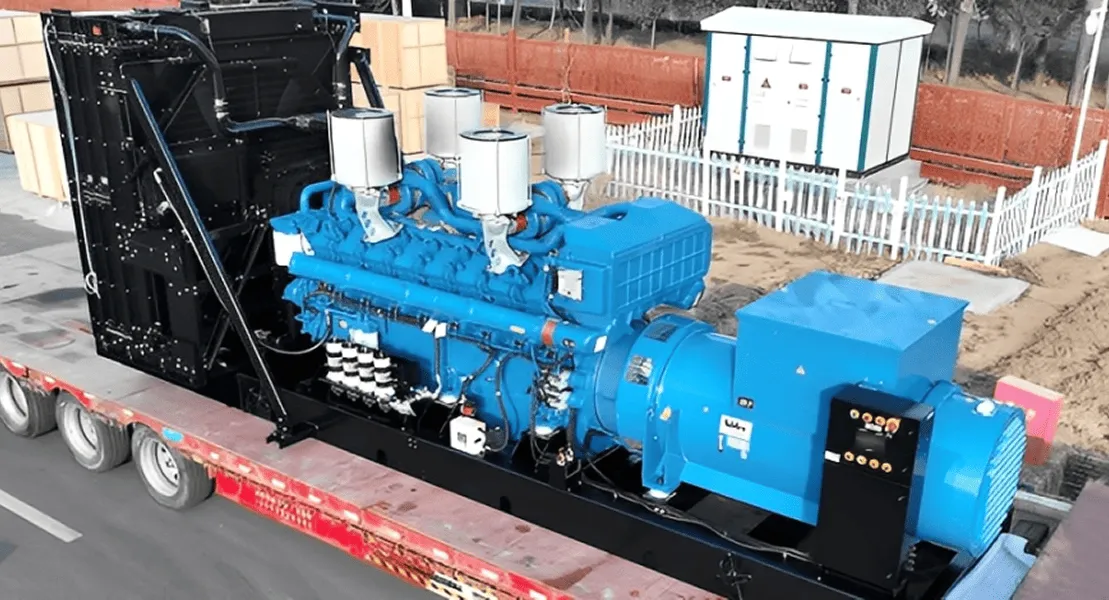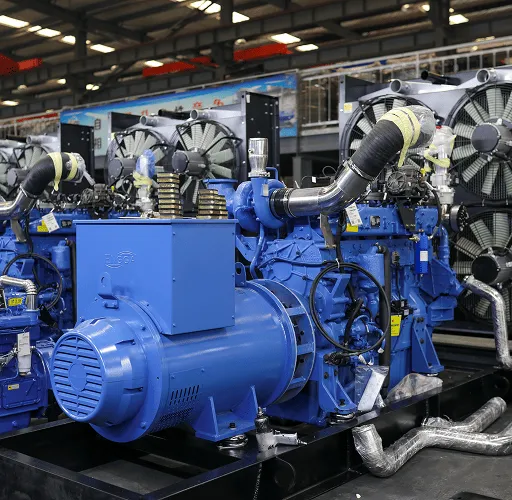
Generator Sets Matched to Your Load and Installation
Choose open-type, silent or mobile diesel generator sets for fixed installations and projects that move between sites. Our range includes Cummins, SDEC, Weichai and Yuchai engine configurations, selected around electrical output, operating duty and site conditions.
Compare the complete package: engine, alternator, controls and installation format. For overseas orders, parts identification and shipment arrangements also belong in the purchasing discussion.
Choose the Generator Format for Your Site
The installation format affects weather protection, operating noise and maintenance access. Start with the site arrangement, then compare the engine and electrical configuration.
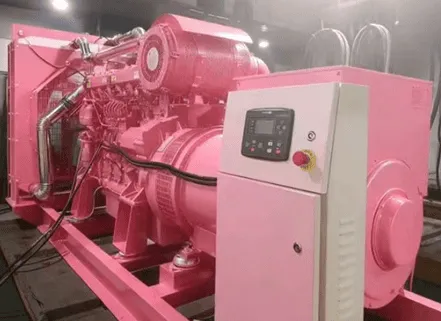
Open-Type Diesel Generator Sets
For a planned generator room, an open-frame arrangement keeps the engine and alternator accessible for maintenance. The room design must address ventilation, exhaust routing and acoustic treatment, allowing the equipment to be coordinated with the installation space.
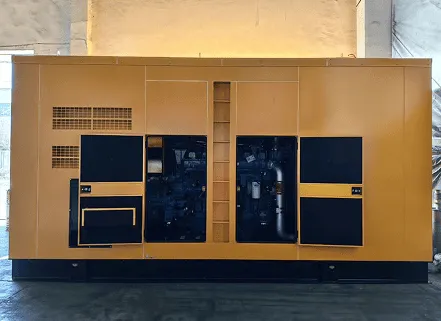
Silent Diesel Generator Sets
For locations with noise constraints, an acoustic enclosure provides a starting point for sound control around the engine and alternator. Air openings and service doors still need clearance, so the enclosure must be reviewed with the installation layout.
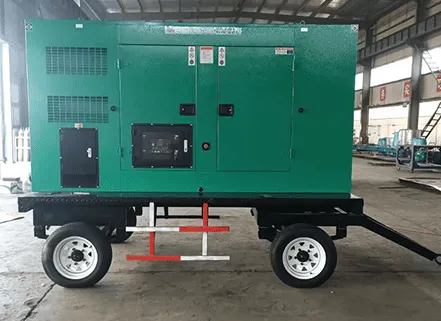
Mobile Diesel Generator Sets
For construction work that changes location, a mobile chassis allows the equipment to relocate with the project. Open, rainproof and silent configurations address different exposure and noise conditions, while the chassis must suit the intended transport method.
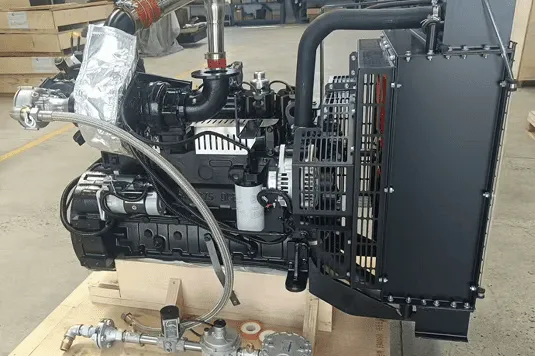
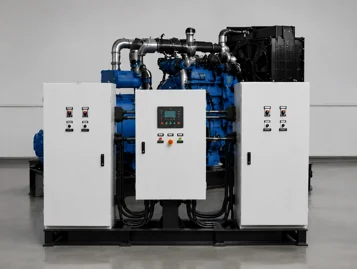
Functional illustration. Component positions vary by configuration. Includes: Fuel System, Base Frame.
What Is a Generator Set?
A generator set combines an engine and an alternator with controls and supporting equipment. In a diesel set, the engine supplies mechanical power and the alternator converts it into electrical output for the connected load.
The purchasing specification should describe the complete assembly, including cooling equipment and installation format. An engine power figure alone does not establish the generator’s electrical output or the equipment included in the order.
Compare Two 300 kW Silent Configurations
The same generator output can use different engine models. These two silent configurations share the listed electrical specification, alternator and controller, making the engine choice a defined part of the comparison.
| Specification | Cummins-Powered Configuration | SDEC-Powered Configuration |
|---|---|---|
| Generator output | 300 kW | 300 kW |
| Construction | Silent type | Silent type |
| Engine model | 6ZTAA13-G3 | SC10E480D2 |
| Frequency | 50 Hz | 50 Hz |
| Engine speed | 1,500 rpm | 1,500 rpm |
| Voltage | 400 V | 400 V |
| Phase | Three-phase | Three-phase |
| Power factor | 0.8 | 0.8 |
| Alternator | SHANGHAI DUNING DN-300 | SHANGHAI DUNING DN-300 |
| Voltage regulation | AVR | AVR |
| Controller | DSE6120 | DSE6120 |
| Starting system | 24 V DC electric start | 24 V DC electric start |
| Engine cooling | Water-cooled | Water-cooled |
These are configuration examples. The applicable prime or standby rating and site conditions must be stated in the final proposal; these figures do not apply to every model in the range.
Included Equipment
These configurations include a radiator, starting battery, base fuel tank, connection cable, silencer, controller, inlet and outlet pipes, and circuit breaker. Transfer-switch and parallel-operation equipment require a separately defined scope.
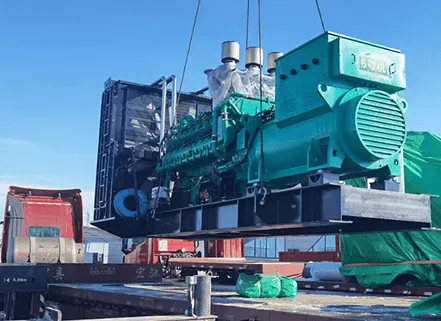
Installation planning illustration. Final clearances depend on the selected equipment.
Resolve the Site Details Before Installation
Room Dimensions Do Not Show Maintenance Access
A generator may fit inside the room while leaving too little space to open enclosure doors or remove service components. Review open-type access or silent-canopy door positions with the maintenance route, so routine work remains practical after positioning.
Sound Control and Cooling Need the Same Layout Review
A silent set positioned near walls needs clear inlet and radiator-discharge paths. Reviewing the enclosure with room ventilation helps identify restrictions before installation, while keeping acoustic treatment part of the same design.
A Controller Is Not a Complete Transfer System
For building backup power, generator control and load transfer perform different functions. Our 300 kW examples identify the controller; a separate panel and transfer-equipment schedule clarifies what the electrical installation still requires.
Mobility Needs More Than Wheels
For projects that change location, compare the chassis and transport method alongside enclosure type. A mobile open, rainproof or silent arrangement should suit the operating site; public-road towing suitability depends on the specific trailer and local requirements.
Compare the Equipment Behind the Power Rating
Installation Choices within One Range
A fixed plant room and a changing construction site have different access and movement constraints. Our open-type, silent and mobile formats let you compare the physical arrangement alongside output, keeping site fit part of the purchase.
Engine Selection with Maintenance in Mind
For overseas maintenance, the exact engine model and local parts availability matter together. Cummins, SDEC, Weichai and Yuchai configurations provide selection routes, while alternator and controller specifications remain separate review items.
Named Components for Technical Comparison
When quotations carry the same 300 kW headline, differences in the engine and included equipment can be missed. Our examples identify the engine, DN-300 alternator and DSE6120 controller, giving purchasing and maintenance teams a common reference.
| Project situation | Main constraints | Selection focus |
|---|---|---|
| Factory generator room | Ventilation, exhaust routing and maintenance space | Open-type arrangement and site acoustic treatment |
| Noise-sensitive location | Sound requirement, air openings and service doors | Silent enclosure and installation conditions |
| Changing construction locations | Transport, positioning and exposure | Mobile chassis and enclosure choice |
| Remote industrial equipment | Operating duty and parts access | Engine model and maintenance requirements |
| Building backup supply | Essential loads and switching arrangement | Load assessment and transfer-equipment scope |
Compare the installation format, component specification and operating conditions together.
Generator Set Buying Guide: Sizing, Brands, Cost and Support
How do I choose a generator set for a small business?
Start with the equipment that must remain operating during an outage. Refrigeration, pumps, lighting and other connected loads can have different starting and running demands, so a single floor-area estimate is not enough.
Then match the electrical specification and installation arrangement to the premises. A business with a dedicated generator room faces different ventilation and access questions from a site considering a silent outdoor arrangement.
What size generator set do I need?
Build a load schedule showing running demand, motor-starting requirements and the order in which equipment connects. Site temperature, altitude and the intended operating duty also affect the selection.
The 300 kW configurations shown above are product examples, not a sizing recommendation for a home or small business. Select capacity from the actual loads and operating conditions rather than using a displayed model as the default.
Which generator set brand should I choose?
Compare the exact engine model, alternator, controller and equipment scope rather than choosing from a brand ranking alone. Parts access and maintenance familiarity in the destination market are also relevant.
Our 300 kW examples pair either a Cummins 6ZTAA13-G3 or an SDEC SC10E480D2 engine with the listed DN-300 alternator and DSE6120 controller. This gives you identifiable components to discuss with your technical team and maintenance provider.
What affects the cost of a diesel generator set?
The quotation depends on output, engine configuration, enclosure, controls and included accessories. A mobile chassis or separately specified transfer equipment changes the package being purchased.
Compare the equipment price alongside freight, destination handling, installation and any locally applicable charges. An average market price is not a substitute for a quotation based on the same specification and delivery scope.
How should I compare suppliers for delivery to Australia?
For an Australian destination, compare the offered configuration, delivery terms and responsibility for installation before comparing the headline price. The proposal should identify the engine model, electrical specification, included equipment and relevant documentation.
A supplier’s location does not by itself establish technical suitability or local service coverage. Verify who will handle commissioning, maintenance and parts support for the actual installation.
Should I buy a mobile generator or arrange a local rental?
For a construction project, the decision depends on the operating period, relocation needs and responsibility for maintenance. A short temporary requirement and repeated use across projects can lead to different purchasing decisions.
Our product enquiry covers mobile generator equipment and its configuration. A rental arrangement requires a separate agreement covering availability, operating hours, transport and service responsibilities.
What should I check about servicing and spare parts?
Identify the installed engine and component references before discussing maintenance support. Filters, gaskets and other replacement items need to match the actual equipment, not just the generator’s advertised power.
For service at the installation site, establish the local maintenance arrangement separately. Parts supply and remote technical discussion do not automatically include an on-site technician.
How do open-type, silent and mobile sets differ?
Open-type and silent describe the enclosure arrangement, while mobile describes the mounting arrangement for movement. A mobile generator can also be silent.
Compare open-type sets with the room’s protection and acoustic design, silent sets with airflow and service-door clearance, and mobile sets with chassis and transport requirements. These physical choices sit alongside electrical sizing.
What is the difference between kW, kVA and the duty rating?
kW expresses real power and kVA expresses apparent power; their relationship depends on power factor. For the listed 300 kW examples at 0.8 power factor, 300 ÷ 0.8 equals 375 kVA.
Prime and standby ratings address operating duty rather than this mathematical conversion. The proposal should state the applicable rating and limits for the selected generator.
Close the Specification Gaps Before Ordering
Two proposals can carry the same engine brand and kW figure while describing different equipment. Compare the exact model, rating basis and supply scope, then retain the agreed specification for acceptance and future parts identification.
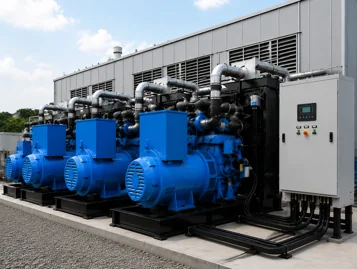
Purchasing review illustration: identification, specification and acceptance scope.
| Purchasing gap | What to define |
|---|---|
| Prime and standby outputs are mixed | Duty rating and operating limits |
| Only the engine brand is named | Exact engine model and agreed supply condition |
| Alternator construction is unclear | Alternator model and any required material declaration |
| The controller is mistaken for an ATS | Separate controller, transfer-switch and panel scope |
| A noise figure has no conditions | Measurement distance, load and test method |
| Maintenance space is missing | Arrangement drawing and service-access requirements |
| Inspection is described only as “tested” | Agreed checks, load conditions and acceptance criteria |
| Repeat orders allow component changes | Approved component schedule and substitution review |
| Delivery scope is unclear | Packing, transport terms and destination responsibilities |
For repeat purchases, retain the engine, alternator and controller references with the order. Review proposed substitutions against electrical requirements and maintenance-parts compatibility before accepting a change.
Generator Assembly Around the Agreed Configuration
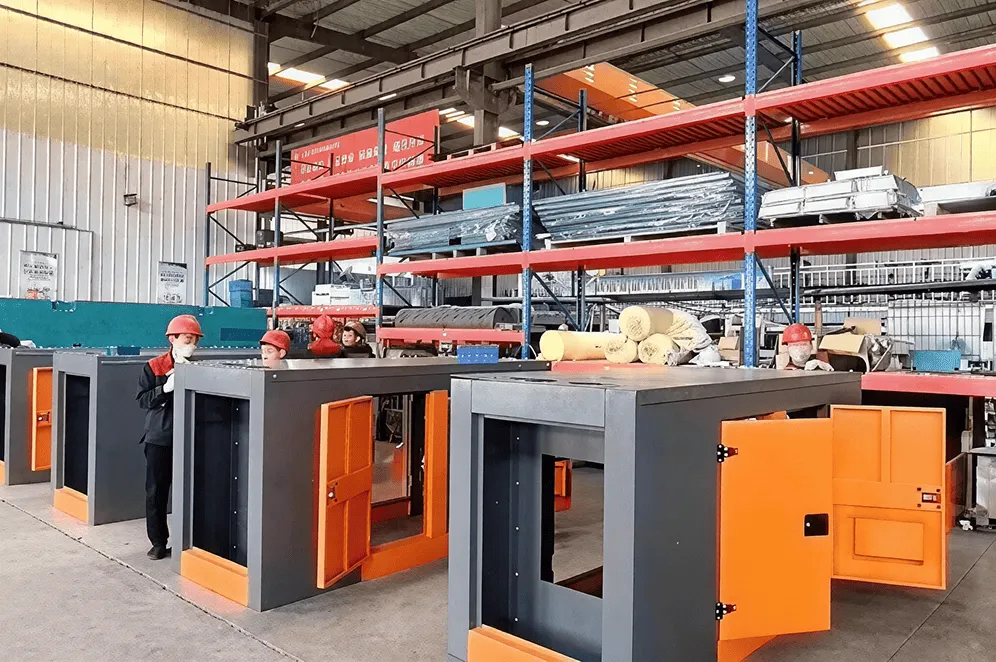
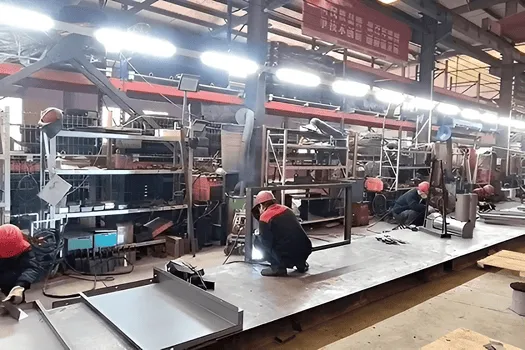
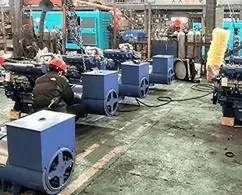
An open-type set, a silent enclosure and a mobile chassis create different assembly requirements. The engine, alternator, controls and mounting arrangement need to be considered together so that the finished package matches the installation format.
Component Arrangement and Access
For a fixed installation, the engine and alternator arrangement must be reviewed alongside the base and service-access requirements. Identifying the selected components before assembly gives the purchasing team a reference for the equipment layout and subsequent maintenance.
Enclosure and Control Integration
A silent enclosure brings air openings, access doors and exhaust routing into the assembly. Where automatic transfer is required, the generator controls and separate transfer-panel scope also need to be distinguished before site installation.
Assembly illustration. The final arrangement depends on the selected configuration.
Define the Inspection Scope Before Dispatch
A generator inspection should relate to the ordered configuration and intended operating duty. Agreeing component checks, functional tests and acceptance records before dispatch gives purchasing and technical teams a basis for reviewing the equipment.
| Review area | Scope to identify |
|---|---|
| Component identification | Engine, alternator and controller references |
| Electrical configuration | Voltage, frequency, phase and applicable rating |
| Assembly and access | Connections, enclosure doors and service points |
| Control functions | Agreed starting, stopping, monitoring and alarm checks |
| Load testing, where specified | Applied load, duration, measurements and acceptance criteria |
| Transfer equipment, where included | Panel interface and agreed functional checks |
| Accessories and packing | Loose items and packing-list correspondence |
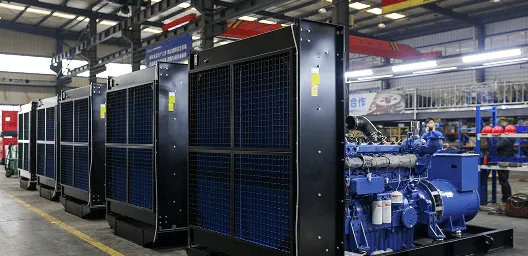
A running photograph does not establish performance under the project’s load conditions. Where load testing is required, the load steps and recorded measurements should be defined and linked to the equipment being checked.
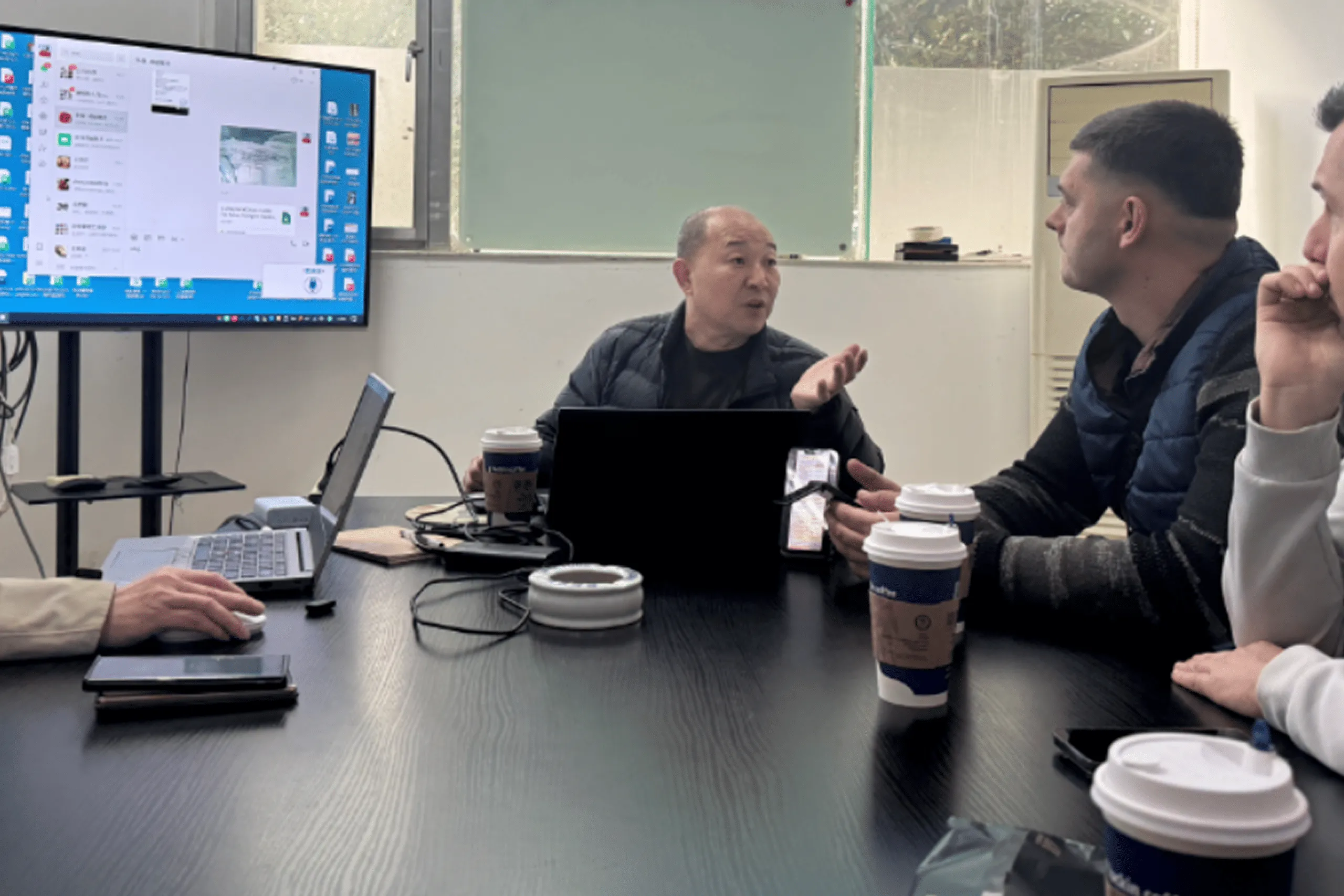
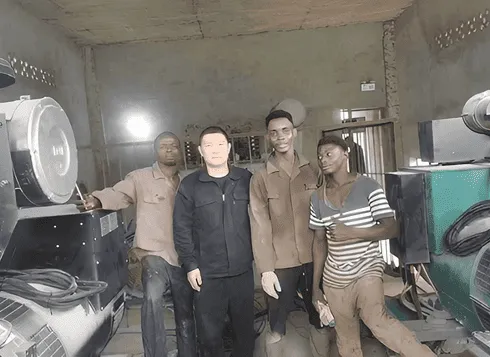
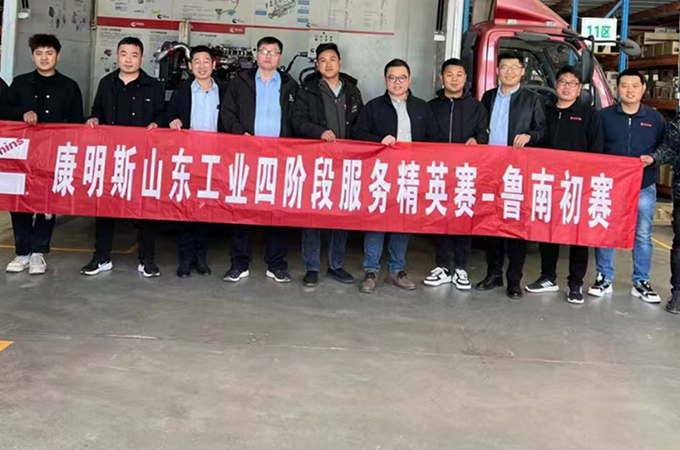
Customer Visits and Generator Project Discussions
An on-site visit brings generator configuration and installation questions into the same discussion. Reviewing the engine arrangement, enclosure access and control equipment around the machine helps identify details that may be missed in a quotation.
For a project review, bring the load requirements and installation layout into the conversation. Voltage, frequency, maintenance access and transfer-panel scope can then be discussed against the proposed equipment.
Discuss the Details That Affect Your Order
Use WhatsApp to discuss the engine model, electrical requirements and preferred generator format. Packing questions and maintenance-part identification can be addressed in the same project conversation.
Configuration Details
Engine model, electrical requirements and generator format.
Packing and Dispatch
Packing arrangements, order scope and dispatch questions.
Parts Identification
Equipment identification, maintenance items and follow-up questions.
Parts Support Starts with Equipment Identification
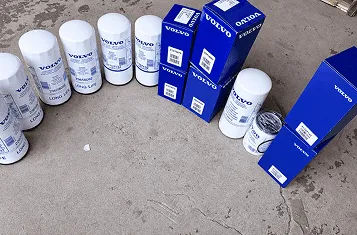
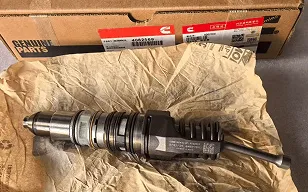
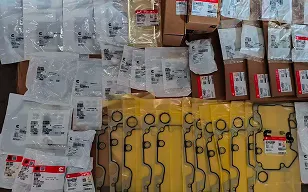
For overseas maintenance, matching the installed engine is as important as locating a replacement part. Our parts business includes Cummins engine components and maintenance items, identified using the engine model and relevant part details.
Retain the engine model and component references with the generator specification. These details help distinguish the required filter, gasket or engine component when maintenance support is needed.
Check Availability for the Exact Item
Parts availability and complete-generator availability are separate questions. Discuss the required model, quantity and supply condition so that the quotation reflects the actual item and current availability.
Plan Packing and Dispatch Around the Equipment
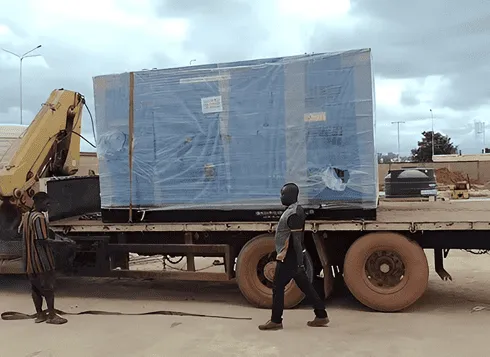
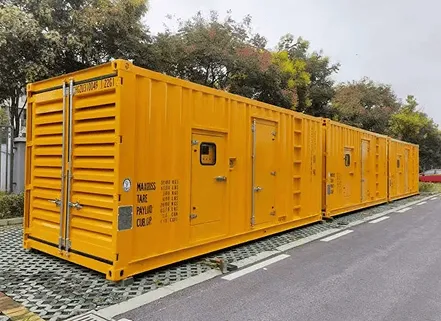
A generator shipment includes the machine and its agreed accessory scope. Packing, transport mode and handling arrangements should be reviewed against the final configuration, particularly when enclosure panels and separately packed components need protection.

Define the Packed Scope
Confirm which components are fitted to the generator and which travel separately. Keeping the accessory list aligned with the order helps the receiving team check the equipment and unpack the shipment.
Review Handling and Transport
Packed dimensions and handling requirements affect vehicle selection and loading arrangements. Sea, air or express transport is considered according to the cargo; the suitable method and dispatch timing must be confirmed for the specific order.
Ready to arrange your generator shipment?
Generator configuration and component identification.
Work with Jining Hongrui on the Complete Equipment Specification
Jining Hongrui Heavy Industry Machinery Co., Ltd. supplies engines, engine parts and power solutions for construction, mining and industrial equipment applications. Our generator range includes open-type, silent and mobile arrangements, with engine and electrical details forming part of the package discussion.
Parts confirmation and maintenance guidance depend on the engine model and installed components. Our support covers engine troubleshooting, parts identification and installation assistance, keeping the discussion connected to the equipment you purchase.
Discuss Your Generator Set and Delivery Requirements
Share the required output, voltage, frequency and preferred format. Add the operating duty and installation conditions so the discussion covers both the power package and its fit at the site.
For shipment planning, include the destination and quantity. If maintenance parts are also required, provide the engine model and component details so they can be considered separately from the generator supply.