2.6–3.5 m³ Self-Loading Range

Mobile Cement Mixers for Recurring On-Site Concrete Production

Load aggregates, meter water, mix, move and discharge concrete with one diesel-powered machine. Zentramo’s general-purpose 2.6 and 3.5 m³ configurations are designed for contractors who need repeatable production without depending on a fixed batching plant or grid electricity.

  • 2.6 or 3.5 m³ verified classes
  • Onboard diesel power
  • One integrated working cycle
  • Roads, municipal work and building sites
2.6–3.5 m³Focused general-purpose range
Diesel PoweredNo external grid supply required
5-in-1 CycleLoad, water, mix, move, discharge
Site ReadyFor recurring medium-volume work
Self-loading mobile cement mixer producing concrete on site
What Is It?

One Mobile Machine Around the Pour

A self-loading mobile cement mixer combines material loading, onboard water handling, mixing, site movement and discharge. Unlike a small portable drum mixer, it supports professional recurring production. Unlike a transit mixer, it can prepare concrete at the worksite instead of only carrying ready mix from a plant.

01Load
02Meter Water
03Mix
04Move
05Discharge
Verified Product Direction

Choose Between 2.6 and 3.5 m³ General-Purpose Mixers

Both configurations integrate the core jobsite workflow. The decision starts with batch demand, daily volume and site access.

2.6 cubic metre self-loading mobile cement mixer
2.6 m³ Class

2.6 m³ Self-Loading Mobile Cement Mixer

Balanced for dispersed pours, rural roads, housing and jobs where maneuverability matters alongside recurring output.

  • Approx. 2.6 m³ class
  • 78 kW published engine power
  • Integrated loading, mixing and discharge
  • Diesel operation without grid electricity

Choose this direction when: access, turning space and moderate batch demand are the main constraints.

3.5 cubic metre self-loading mobile cement mixer
3.5 m³ Actual Output

3.5 m³ Self-Loading Mobile Cement Mixer

For larger recurring batches while retaining an integrated mobile workflow for roads, municipal works and construction sites.

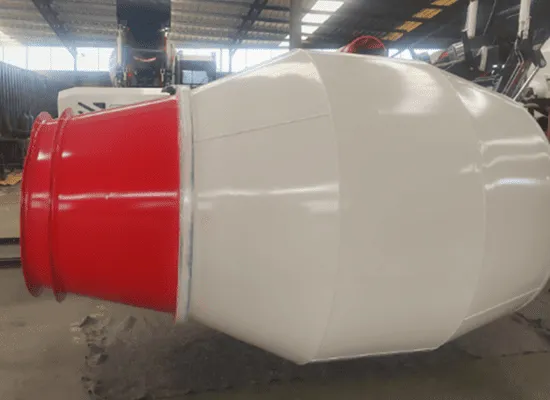
  • Approx. 3.5 m³ actual output; 5,500 L documented drum
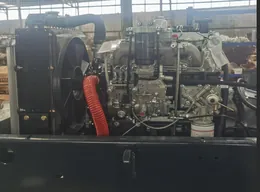
  • Yuchai 85 kW published configuration
  • Articulated steering; documented 10-ton axle
  • Drum lift and up to 270° rotation

Choose this direction when: daily demand and fewer cycles matter more than the smallest footprint.

Final supply is defined by the confirmed quotation and contract. Explore other capacity classes →

Workflow Improvement

Replace a Fragmented Concrete Workflow With One Mobile Cycle

Fragmented Workflow

  • Coordinate loader, mixer and transfer equipment
  • Wait for ready-mix deliveries on remote sites
  • Stop electric mixers during grid outages
  • Use more manual material handovers

Self-Loading Mobile Workflow

  • One machine handles several stages
  • Produce closer to the work area
  • Use onboard diesel power
  • Reduce handovers and operator coordination

Up to 60%

Potential reduction in labor demand.

Up to 40%

Potential jobsite efficiency improvement.

As Little as 6 Months

Potential payback in high-use scenarios.

These are scenario-based potential outcomes, not guarantees. Results depend on utilization, wages, fuel, demand, logistics, operator skill, avoided downtime and equipment replaced.

Diesel mobile cement mixer working at a remote construction site
Off-Grid Operation

Keep Working Where Grid Electricity Is Unavailable

The onboard diesel engine powers normal operation without an external electrical supply. This is useful for remote infrastructure, temporary work zones and regions with unstable power.

No grid connection

Normal machine functions use onboard diesel power.

Dispersed work fronts

Move production closer to separated pours.

Lower outage exposure

Grid interruptions do not stop diesel operation.

Destination fit

Confirm fuel, emissions, altitude and temperature.

Feature Checklist

Features That Matter on a Professional Mobile Mixer

01

Actual Output

Compare usable concrete output, not drum volume alone.

02

Engine & Emissions

Match power, diesel quality and local emissions requirements.

03

Drive & Running Gear

Check drivetrain, axle, tyres, slopes and ground conditions.

04

Water & Weighing

Confirm metering and weighing options for batch control.

05

Drum Functions

Review lift, rotation and discharge reach for the work area.

06

Cooling & Service

Verify cooling, emergency discharge and maintenance access.

Capacity Comparison

2.6 vs 3.5 m³: Which Capacity Fits the Job?

Decision factor2.6 m³ direction3.5 m³ directionConfirm before ordering
Batch requirementModerate recurring batchesLarger recurring batchesActual output and mix design
Daily demandBalanced volume and mobilityFewer cycles at higher demandm³/day and operating hours
Site accessWhen access is a leading constraintWhen the site accommodates a larger configurationWidth, height, turning space, gradient
Published engine power78 kW85 kW Yuchai configurationEngine, fuel and emissions package
Running systemConfirm on quotationDocumented articulated steering and 10-ton axleDrive, axle and tyres
Purchase comparisonHeadline price alone is not reliable.Delivered configuration, freight, taxes, fuel, maintenance and utilization
Work Scenarios

Where General-Purpose Mobile Mixers Add the Most Value

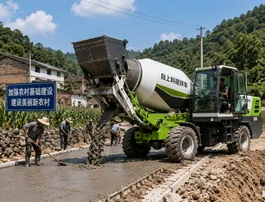
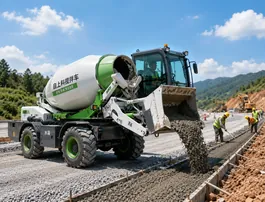
Mobile cement mixer used for road construction

Rural Roads & Drainage

Repeated pours across moving work fronts. Confirm road width, gradient and turning space.

Mobile cement mixer for housing and remote building work

Housing Programs

Produce near foundations and structures. Confirm water and aggregate supply.

Mobile cement mixer water system at a municipal project

Municipal Repairs

Support distributed pours. Confirm access restrictions and work windows.

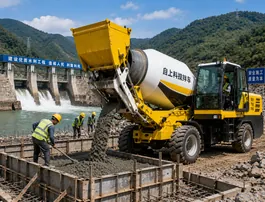
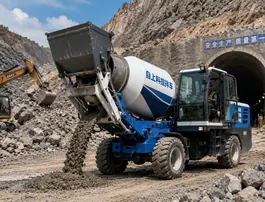
Self-loading mobile mixer at a mining or tunnel project

Remote Infrastructure

Serve difficult work areas. Confirm clearance, ventilation and ground bearing.

Selection Guide

How to Choose a Mobile Cement Mixer

1. Define batch output

Use required concrete per pour, not a generic size label.

2. Estimate daily cycles

Calculate demand, travel and loading time.

3. Measure access

Record width, gradient, clearance and turning area.

4. Check site inputs

Confirm water, aggregates, diesel and climate.

5. Match functions

Specify drive, discharge, rotation and metering needs.

6. Compare delivered scope

Review documents, shipping and after-sales items.

Quick rule: choose 2.6 m³ when mobility and moderate recurring batches dominate. Move toward 3.5 m³ when higher daily demand and fewer cycles justify the larger configuration.

Procurement Risks

Avoid These Costly Buying Mistakes

Drum Volume ≠ Output

Ask for actual concrete output per batch.

Price Without Scope

Require a full configuration sheet and delivered terms.

Wrong Destination Spec

Verify emissions, fuel, freight, taxes and duties.

Assuming Identical Parts

Confirm component models for the exact machine.

Treating ROI as Guaranteed

Model savings with local costs and utilization.

No Service Plan

Define manuals, critical spares and support before shipment.

Maintenance

Plan Preventive Maintenance for a Diesel Self-Loading Mixer

  • Clean the drum and discharge area before concrete hardens.
  • Follow engine oil, filter and cooling intervals.
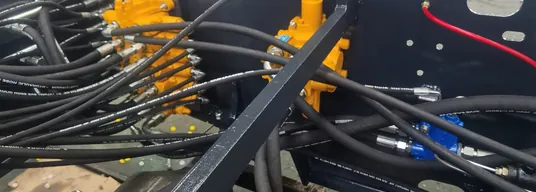
  • Inspect hydraulic hoses, seals and oil temperature.
  • Check tyres, axle and articulated joint.
  • Calibrate water metering and weighing systems.
  • Inspect blades, rollers and emergency discharge.
  • Stock critical service parts for the destination.

Use the supplied manual for the selected configuration. A gas-powered portable mixer guide is not interchangeable with this equipment.

Price & Landed Cost

How Much Does a Mobile Cement Mixer Cost?

There is no responsible single average price for an export self-loading mixer. Delivered cost changes with capacity, engine and emissions configuration, drivetrain, axle, tyres, weighing and water systems, drum functions, spare parts, freight, taxes and destination requirements.

Machine

Base configuration and verified options.

Logistics

Freight, insurance, duties and taxes.

Readiness

Commissioning, training and planned spares.

Operation

Fuel, maintenance, labor and utilization.

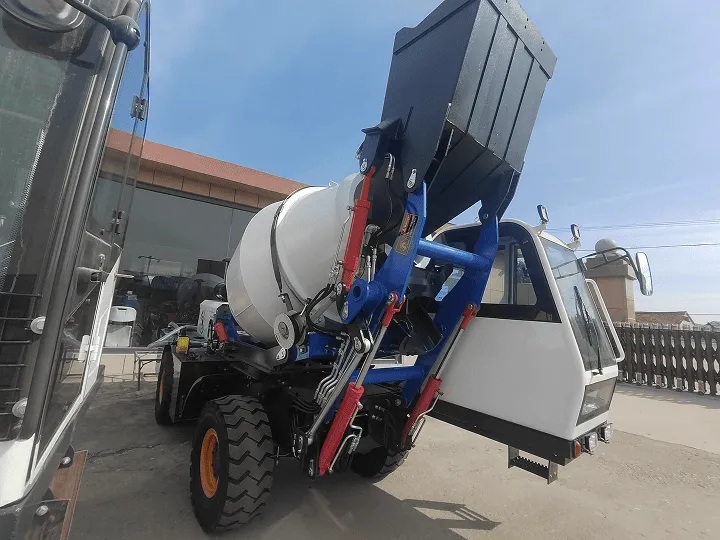
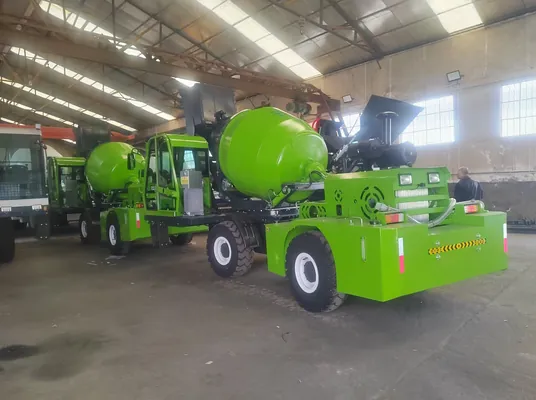
Zentramo self-loading mobile cement mixers at the factory
Supplier Review

Confirm the Machine Before It Ships

A professional purchase should end with a configuration both sides can verify.

  • Model, actual output and drum volume
  • Engine, drivetrain, axle and tyres
  • Drum functions, water and weighing system
  • Packing list and shipping dimensions
  • Manuals, planned spares and support scope
  • Final quotation and contract terms
Buyer Questions

Mobile Cement Mixer FAQ

Is this the same as a small portable cement mixer?

No. This page covers 2.6–3.5 m³ self-loading construction equipment, not a consumer electric drum mixer or weekend towable rental unit.

Should I choose 2.6 or 3.5 m³?

Start with output per batch, daily volume, access and cycles. The 2.6 m³ direction favors mobility; 3.5 m³ favors larger batches and fewer cycles.

Does it need grid electricity?

No external grid connection is required for normal operation because the machine uses onboard diesel power. Confirm destination fuel and emissions requirements.

Can it save 60% labor and improve efficiency by 40%?

Those are potential scenario-based improvements, not guarantees. Results depend on utilization, labor, logistics, operator skill and equipment replaced.

Can it pay for itself in six months?

That may be possible in high-use scenarios, but is not guaranteed. Calculate local labor, fuel, delays, working days, demand and financing.

Do you offer local rental near me?

Zentramo’s export offer is equipment supply and project configuration. Local rental depends on independent regional providers.

What affects the price?

Capacity, engine, emissions, drivetrain, axle, tyres, metering, drum functions, spares, freight, taxes and destination requirements.

How should quotations be compared?

Compare actual output, full configuration, components, documents, shipping scope, warranty, spares and service—not headline price alone.

Project Inquiry

Request a 2.6 or 3.5 m³ Mobile Mixer Configuration

Tell us the output per batch, daily demand, access width, terrain, altitude, grid conditions, diesel and emissions requirements, destination and expected operating days.

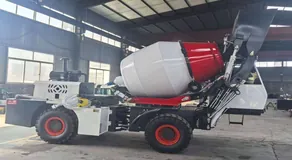
3.5 cubic metre mobile cement mixer ready for configuration