

Trailer Diesel Generator for Fast, Repeatable Site Deployment
Move one configured power package between construction phases, emergency repairs and remote work areas without treating every arrival as a new installation. Match the generator, enclosure, chassis, tow vehicle, route, connections and operating plan before dispatch.
- Size from the real load and largest starting event
- Match chassis, axles and braking to operating weight and route
- Plan leveling, grounding, cables, fuel and service access before arrival
For new equipment and project-specific configurations. Road movement and site operation remain subject to destination rules and qualified installation practice.
What Is a Trailer Diesel Generator?
A trailer diesel generator is an enclosed diesel genset integrated with a towable chassis for repeatable temporary or mobile power. It suits construction, emergency repair, utility maintenance, remote work and shared fleets when one configured power package must move between sites.
The correct unit is not defined by kW alone. Duty, phase, voltage, frequency, the largest starting load, runtime, operating weight, tow vehicle, route, site connection, environment and acceptance documents must be reviewed as one system before quotation.
Known from the buyer
Load schedule, largest starting event, duty, electrical system, runtime, site, tow vehicle, route and destination.
Configured for the project
Generator platform, enclosure, fuel arrangement, controller, outputs, chassis, access and agreed accessories.
Verified before order
Final rating basis, operating mass, towing details, test scope, documents, packing, delivery terms and destination requirements.
| Decision field | Buyer data required | What is configured | What must be confirmed |
|---|---|---|---|
| Output and duty | Running load, starting load, load profile, standby or prime duty | Engine, alternator, cooling and rating path | Rating standard, ambient basis and permitted duty |
| Electrical system | Phase, voltage, frequency, connection and protection plan | Controller, breaker and output interface | Final wiring, grounding and site coordination |
| Runtime and fuel | Operating hours, refueling access and fuel plan | Tank and service arrangement | Usable runtime under the agreed load and transport condition |
| Environment and enclosure | Weather, dust, temperature, noise objective and service space | Airflow, enclosure and access layout | Site-specific environmental or acoustic acceptance conditions |
| Trailer and towing | Tow vehicle, route, movement frequency, turning and ground conditions | Frame, axle path, hitch, supports and agreed road equipment | Operating mass, axle loads and destination road requirements |
| Acceptance and delivery | Inspection points, records, manuals, packing and delivery terms | Pre-dispatch file and shipment scope | Exact certificates, witness points and destination applicability |
A Trailer Generator Is a Power System and a Transport System
A trailer diesel generator combines the diesel engine, alternator, controls, protection, fuel system and enclosure with a towable chassis. The value is not simply the addition of wheels. A useful package must travel with the matched vehicle, remain stable while operating and connect safely at each site.
Power package
Engine, alternator, cooling, starting, controls and protection selected for the load and duty.
Weather and acoustic enclosure
Protects the equipment while preserving airflow, exhaust routing, safe surfaces and service access.
Trailer chassis
Frame, axle arrangement, tires, suspension, hitch and weight distribution selected around operating mass and movement conditions.
Road and parking equipment
Brakes, lights, reflectors, parking brake and stabilizers are specified according to the intended route and applicable requirements.
Fuel and runtime
Tank capacity, refueling method, transport weight and spill-control needs must be considered together.
Site interface
Breaker, sockets or terminals, cable route, grounding point, emergency stop and optional transfer/control interfaces define how the unit enters service.
A generator rating alone cannot define the trailer. Confirm gross operating weight, tow vehicle, hitch, route, axle loads and destination rules before approving the mobile structure.
Choose the Movement Pattern Before the Trailer Format
The right structure depends on output, total operating weight, travel distance, road condition, turning space and how often the unit moves.
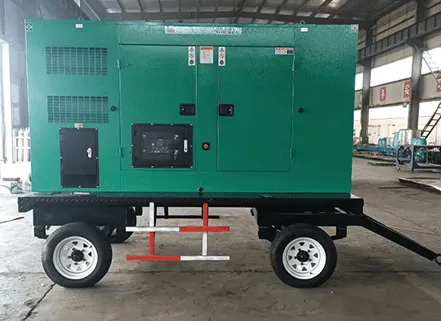
| Configuration path | Practical fit | Confirm before quotation |
|---|---|---|
| Compact single-axle path | Lower-output packages, shorter movements and sites where maneuverability matters | Operating weight, tow vehicle, hitch height, axle rating, parking brake and stabilizers |
| Tandem- or multi-axle path | Heavier packages and repeated relocation where load distribution and tow stability become central | Axle loads, tires, service and parking brakes, route limits, turning space and leveling supports |
| Site-movement chassis | Controlled low-speed movement inside a plant, project or private work area | Towing method, permitted speed, ground capacity, steering arrangement and site responsibility |
| Road-transport package | Longer or more frequent travel on public roads | Registration category, gross weight, braking, lighting, markings, hitch, tow vehicle and local approval |
These paths are not interchangeable labels. Write the intended travel and operating conditions into the technical scope so the quotation covers both generation and mobility.
What Determines the Cost of a 20 kW Trailer Diesel Generator?
A 20 kW label is only the starting point. The final price changes with duty rating, engine and alternator platform, voltage and frequency, acoustic enclosure, trailer equipment, fuel autonomy, output connections, automation, testing, documents and delivery scope. Compare quotations only after those items use the same written basis.
Rating and duty
20 kW prime, standby or another agreed basis; largest motor start and transient demand can change the selected package.
Electrical configuration
Phase, voltage, frequency, power factor, breaker, sockets or terminals and cable interface.
Enclosure and environment
Weather exposure, acoustic target, ambient temperature, altitude, dust, corrosion and service-door layout.
Trailer system
Chassis, axle count, suspension, hitch, tires, brakes, lights, stabilizers and destination compliance work.
Runtime and controls
Fuel tank, refueling plan, controller, alarms, remote monitoring and ATS or switching scope where required.
Inspection and delivery
Agreed tests, records, manuals, packing, shipping dimensions, destination documents and commissioning boundary.
Procurement note: Financing can change cash flow, but it does not correct an incomplete technical scope. Compare total acquisition terms, interest and fees, ownership responsibilities, insurance, maintenance, residual value and early-payment conditions separately from the equipment specification. Do not state that Zentramo offers financing unless the current quotation explicitly confirms it.
Select the Generator and the Trailer in One Review
Use the same project inputs to avoid a correctly sized genset on the wrong chassis—or a suitable trailer carrying a generator that cannot start the site load.
Build the load list
Record simultaneous running kW, the largest motor or compressor start, starting method, power factor, sensitive loads and any staged pickup. Do not size from nameplate totals alone.
Define duty and runtime
Separate emergency standby from frequent backup or prime operation. State expected hours, load variability, refueling access and required autonomy.
Fix the electrical interface
Confirm phase, voltage, frequency, earthing, breaker, sockets or terminals, cable length, distribution and any ATS or manual changeover responsibility.
Describe movement
State tow vehicle, hitch height, travel distance, route, road surface, slope, turning space, movement frequency and destination requirements.
Describe the operating area
Confirm ground bearing, leveling space, clean airflow, exhaust direction, weather, dust, nearby personnel, combustible separation, security and service access.
Align acceptance and handoff
Agree the configuration record, test items, manuals, packing list, towing documents and pre-shipment inspection or remote acceptance scope.
Prevent the Problems That Appear Between Sites
The generator is sized, but the tow vehicle and route are not.
Consequence: The package may exceed vehicle, hitch, axle or route limits.
Confirm operating mass, weight distribution, tow rating, hitch, brakes, tires and route conditions before the chassis is finalized.
Crews arrive without a connection plan.
Consequence: Cable, grounding, breaker and distribution decisions extend the outage or delay the work shift.
Standardize output interfaces, cable lengths, protection, grounding points and connection responsibility before dispatch.
The engine starts before the trailer is stabilized.
Consequence: Slope, soft ground, vibration or movement can create mechanical and safety risks.
Park, isolate, level, chock and stabilize the unit, then verify ventilation, exhaust, grounding and electrical protection before energizing loads.
A larger fuel tank is selected without transport review.
Consequence: Runtime improves, but operating weight, axle load, refueling access and spill-control duties also change.
Select fuel autonomy together with chassis loading, job duration, refueling method and destination requirements.
Where a Trailer Diesel Generator Fits Best
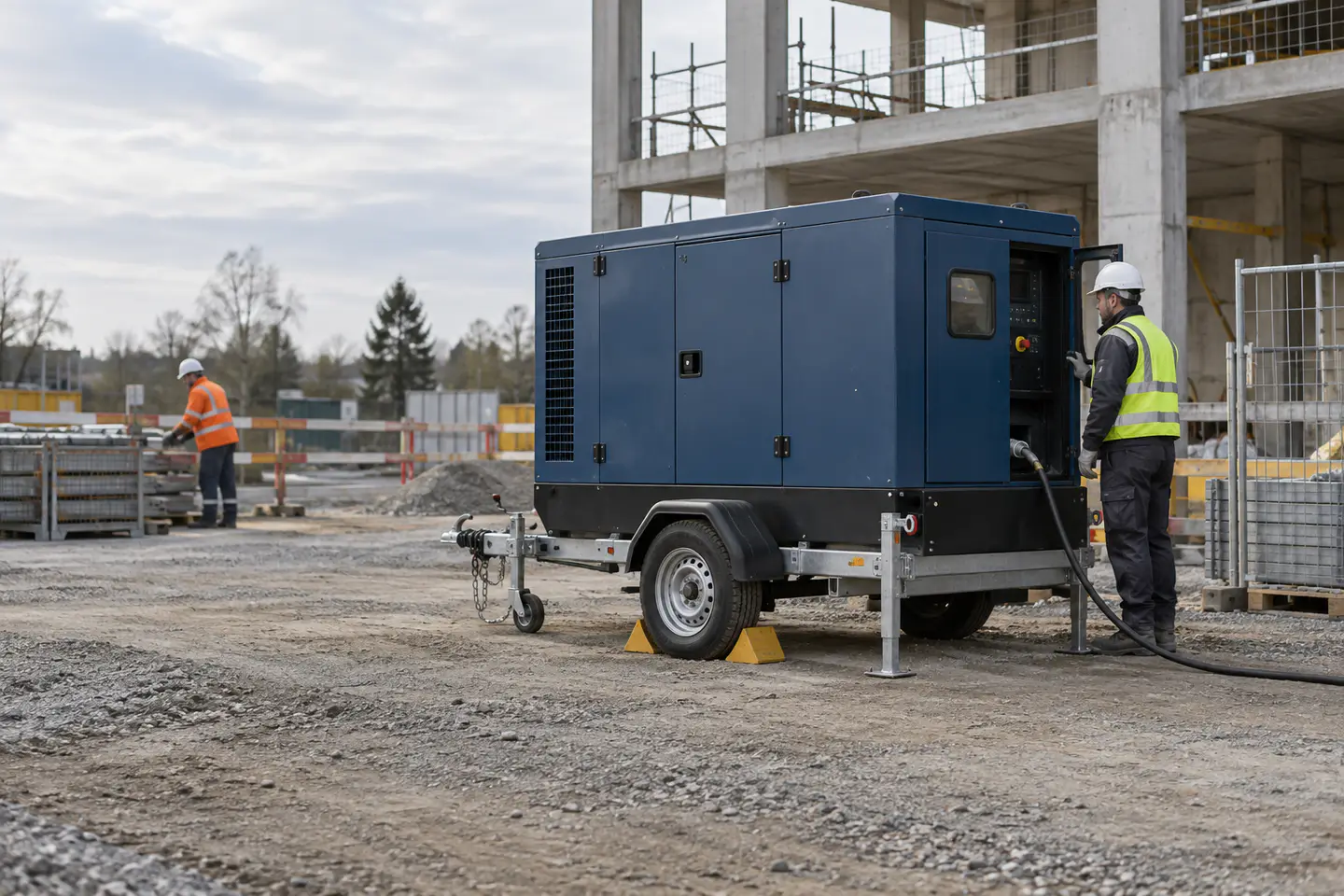
Suitability note: A fixed critical facility may be better served by a permanent standby system with dedicated ATS, fuel, ventilation, redundancy and scheduled testing. Mobility should solve a real deployment need, not replace system engineering.
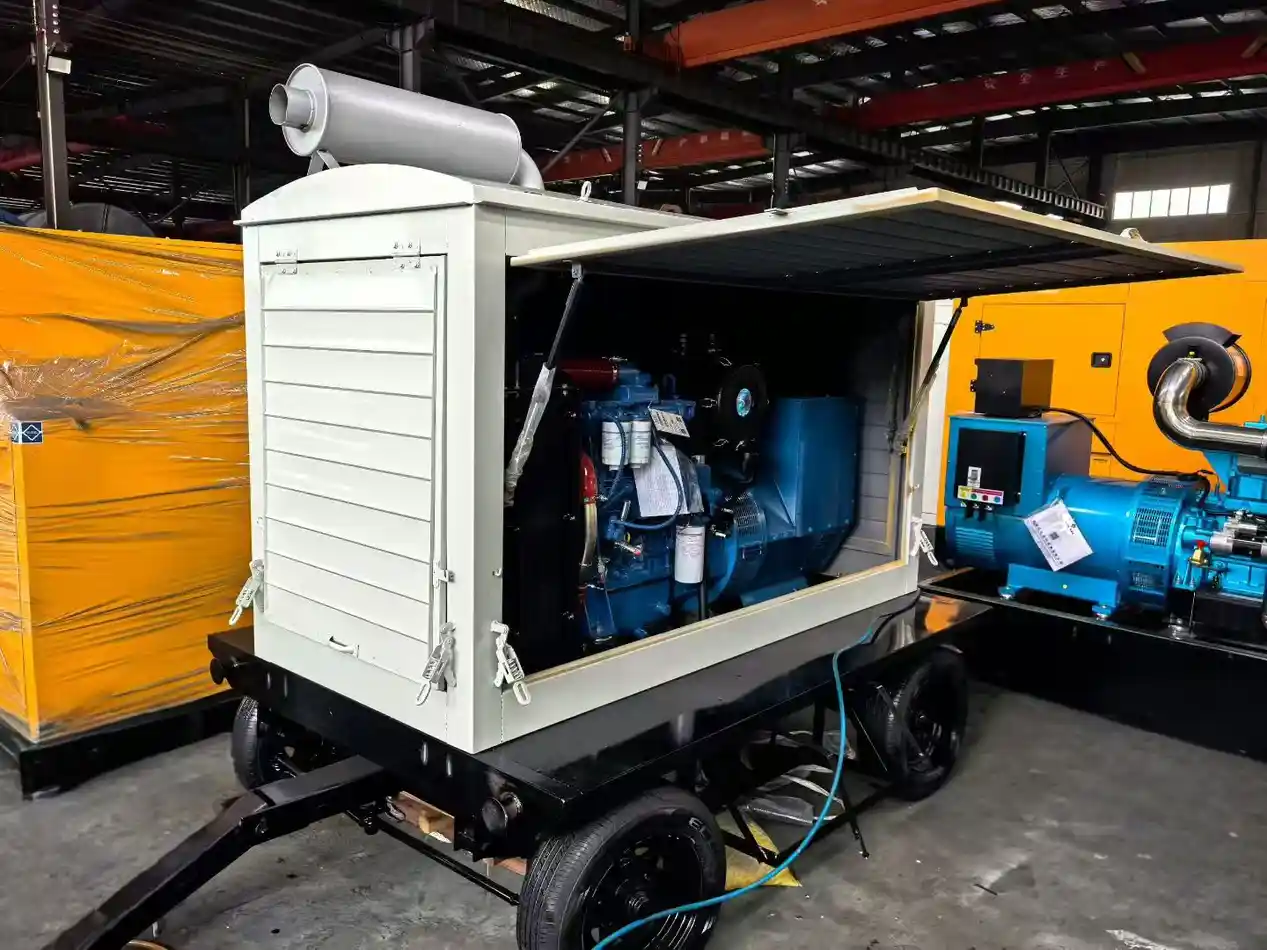
Check Service Access Before the Unit Leaves the Factory
Routine access affects uptime as much as the component list. Confirm that inspection points, filters, fluids, battery, controller, breaker, drains and cable interfaces can be reached without unsafe work or dismantling unrelated parts.
Before each deployment
Review leaks, fluids, battery condition, cable damage, trailer tires, hitch, supports, brakes, lights and the clear airflow and exhaust path.
During operation
Record hours, load, alarms, fuel condition and unusual temperature, noise or vibration; keep service doors and ventilation paths in their intended operating state.
Between sites
Isolate power, secure cables and accessories, close and latch access panels, inspect the running gear and document defects before towing.
Maintenance basis
Use the approved engine, alternator, controller and trailer manuals. Final intervals depend on hours, duty, environment, fuel quality and the ordered component set.
From Approved Scope to Pre-Dispatch Checks
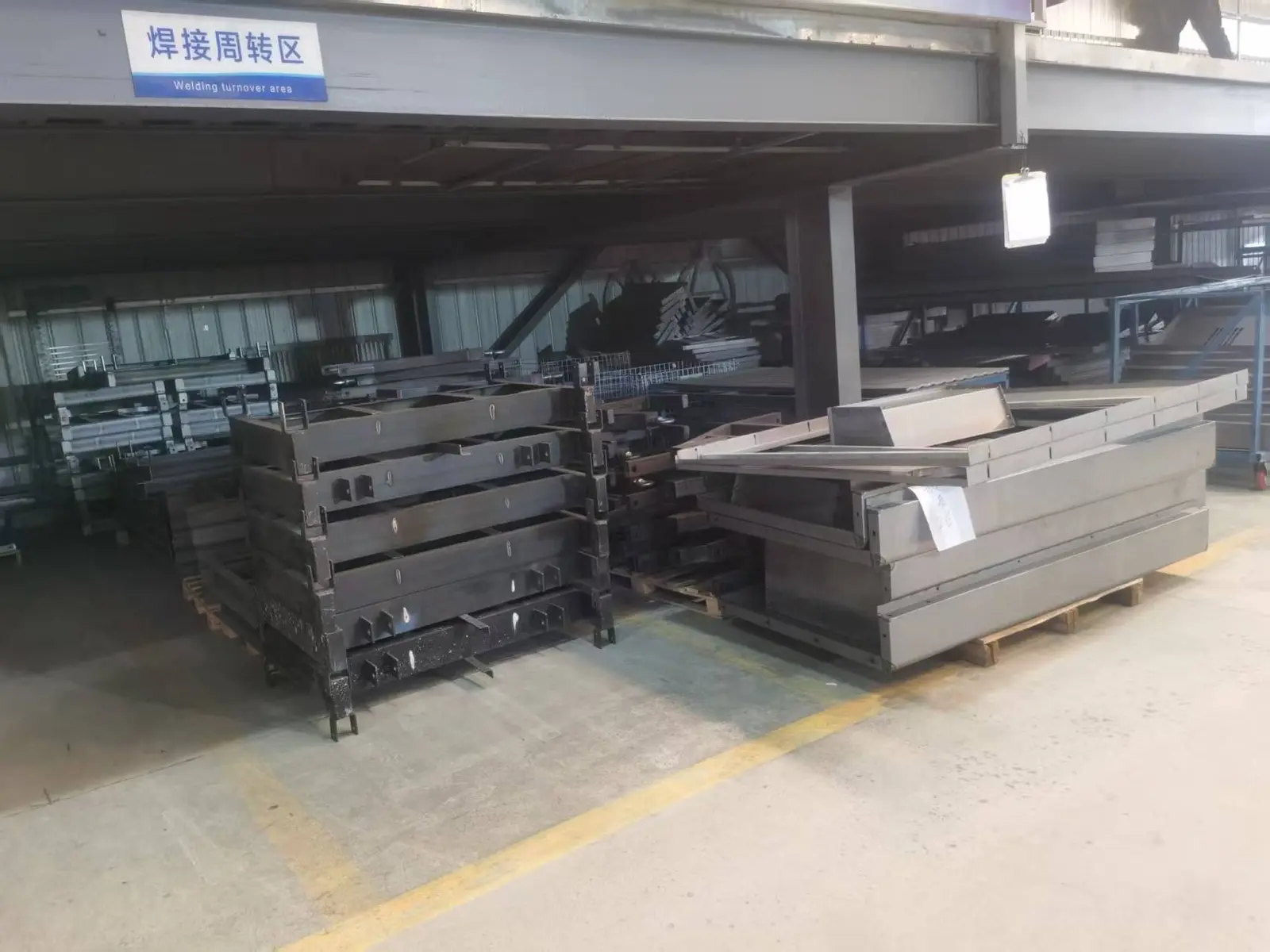
Manufacturing and assembly
The approved configuration should follow the order from generator base and enclosure interfaces through engine, alternator, cooling, controls, fuel system and trailer integration. Chassis fabrication, mounting points, axle arrangement, hitch, doors, supports and cable interfaces need the same revision control as the electrical package.
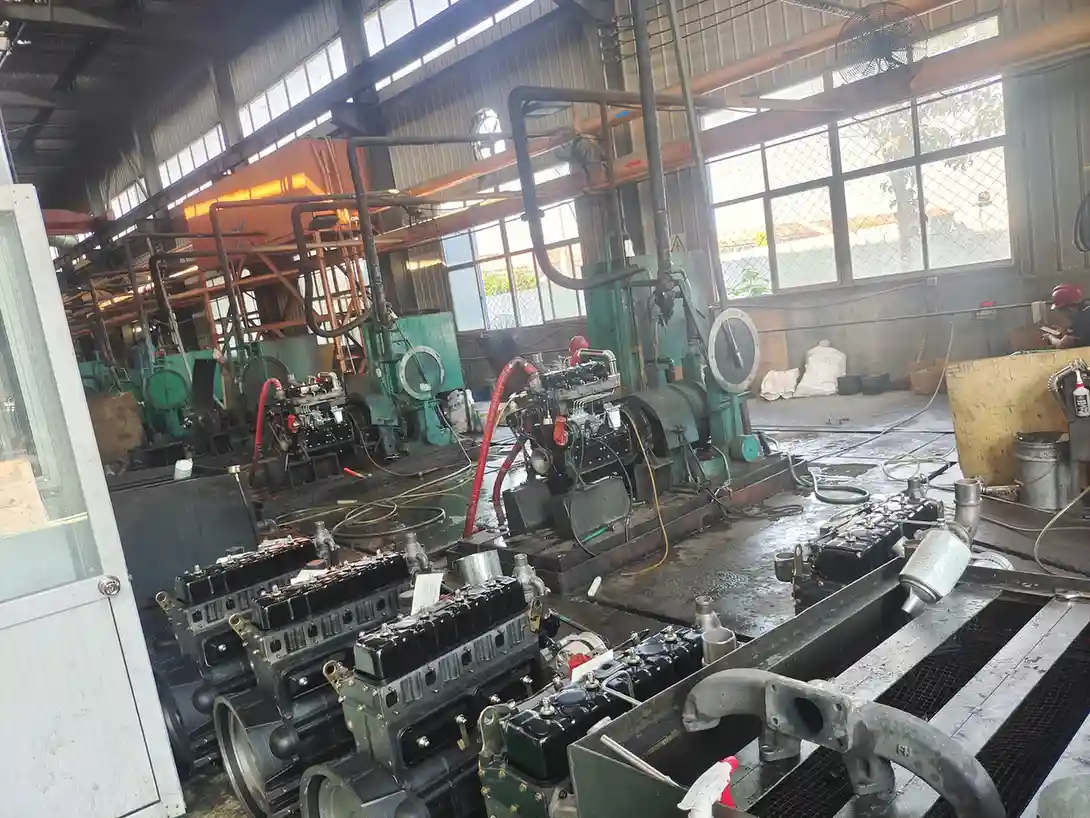
Inspection and functional review
Agree which checks apply to the ordered configuration. A practical pre-dispatch file can identify the machine and record visual inspection, fastener and connection review, controls and alarm checks, electrical output, protection, operating condition, trailer equipment and the agreed load-test scope. Acoustic or destination-specific acceptance requires written conditions.
Buyer callout Request records that identify the ordered unit and tested configuration. Do not accept an unrelated sample report as proof for a different machine.
Prepare the Complete Package for Dispatch
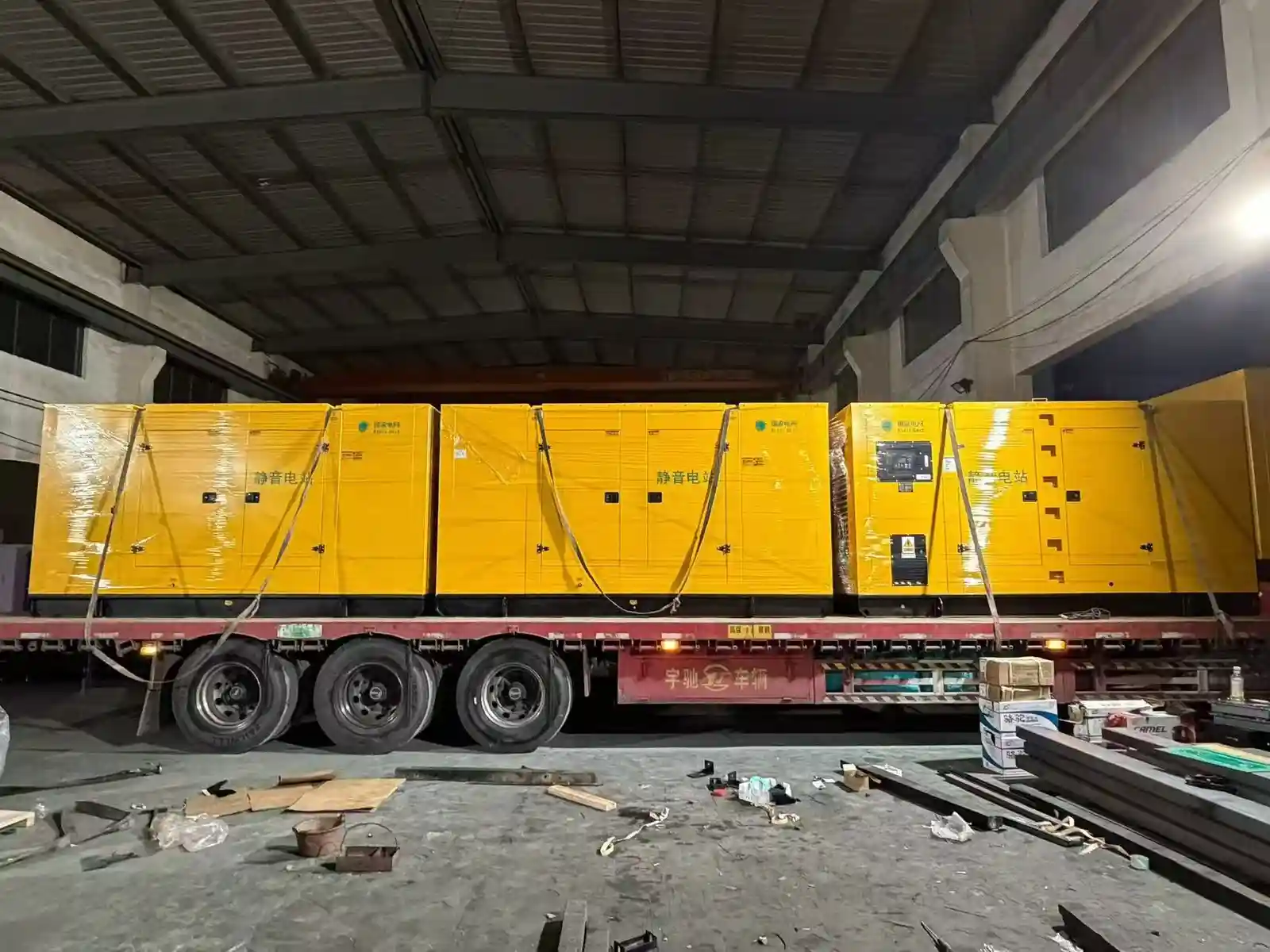
Packing and load securement
Confirm weather protection, accessory identification, loose-item control, lifting or handling instructions, crate condition, load securement and the route from unloading point to operating position. Packing method must match the agreed equipment and transport mode.
Compliance and documentation verification
Document requirements vary by destination and project. Before the order is released, verify the applicable manuals, drawings, packing list, nameplate data, test records, trailer papers, declarations or certificates, and confirm the exact product and market scope of each document. Do not rely on unverified badges.
Factory visit and pre-shipment acceptance
Buyers may discuss a factory visit, remote video review, document sample review or witnessed pre-shipment acceptance when included in the order plan. Define the machine identification, witness points, records and approval responsibility in advance.
Trailer Diesel Generator Buying Guide
What should I look for in a trailer diesel generator for an outdoor construction site?
How much does a 20 kW mobile diesel generator cost?
How do I choose a trailer generator for emergency backup power?
Is every trailer generator road legal?
What must happen before the generator starts on site?
How should I compare suppliers and financing offers?
Define the Route Before You Approve the Trailer
Send the load list, largest starting event, duty, voltage, frequency, expected runtime, tow vehicle, route, movement frequency, site conditions, connection method and destination. Zentramo can organize them into one comparable generator, trailer and delivery scope.
Preparation note: Helpful inputs include the load schedule, motor list, single-line diagram, site layout, tow-vehicle rating, route limits, runtime target, acoustic requirement and required acceptance documents.