What Is a Generator ATS, and When Do You Need One?
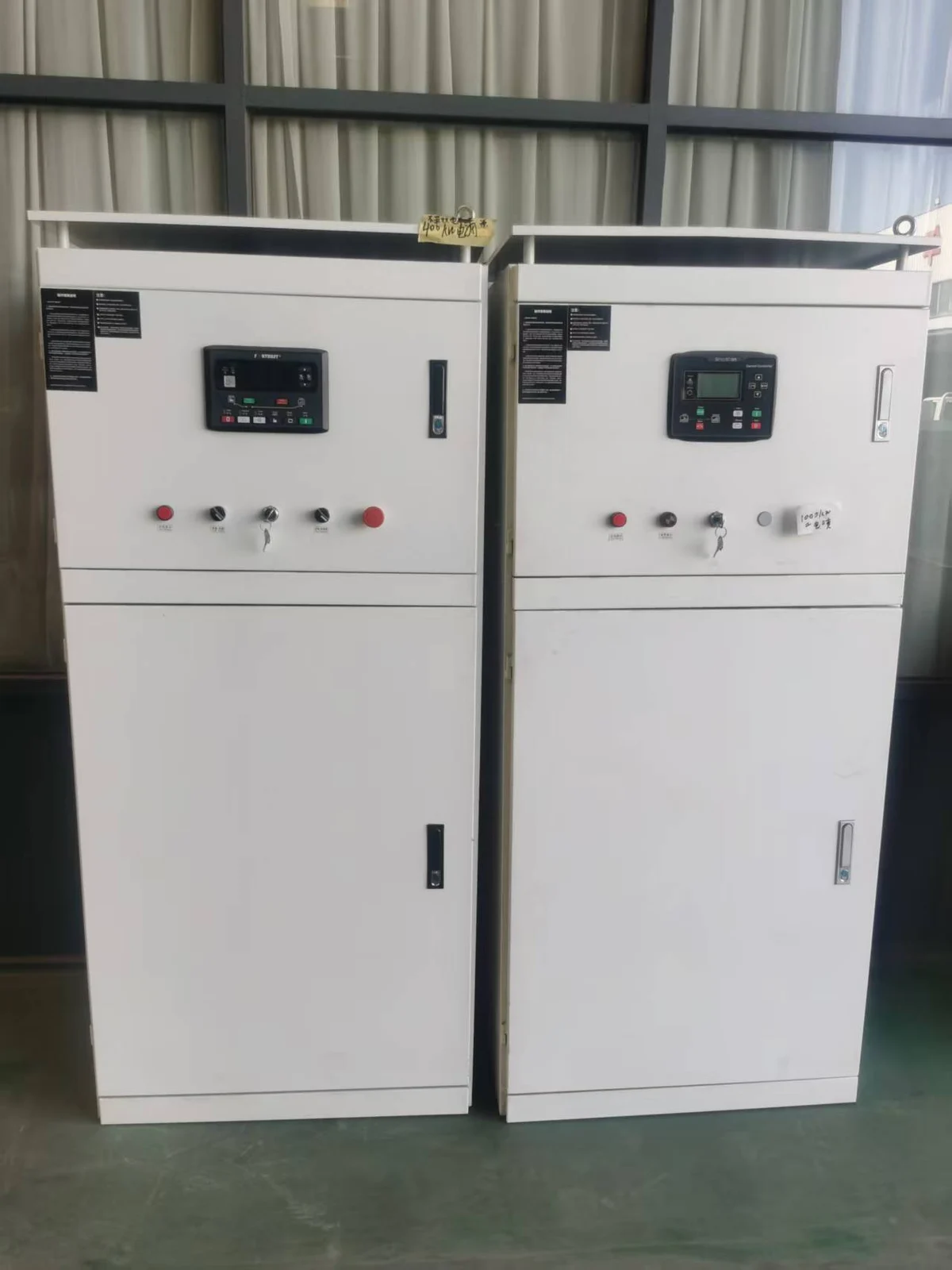
A generator ATS, or automatic transfer switch, changes the supply to a connected electrical load between two power sources, usually the utility grid and a standby generator. In a correctly integrated system, the controls detect unacceptable utility power, start the generator, wait for usable output, and transfer the load without an operator.
You need automatic transfer when power must be restored without someone being present, when manual response would take too long, or when the project’s applicable requirements demand it. Not every generator needs an ATS, and an ATS alone does not provide uninterrupted power. The right choice depends on what you are powering and how long it can remain off.
What Does an ATS Do in a Generator Set System?
The generator produces electricity; the ATS selects which source supplies the connected circuits. An ATS assembly includes power-switching components and, depending on the design, source sensing and automatic control equipment. The control logic may be located in the transfer panel, the generator controller, or coordinated between them.
For a typical building backup system, the two sources feed the transfer equipment and its output supplies a distribution panel or selected essential circuits. The ATS does not have to supply the entire building. Separating essential loads can reduce the required generator capacity, provided the electrical design supports that arrangement.
- Power switching: carries the load current and changes the source connection.
- Source monitoring: checks the configured electrical conditions before accepting a source.
- Automatic coordination: works with generator start/stop controls and any specified load-management system.
- Source separation: prevents unintended interconnection when correctly specified, installed and maintained.
Most straightforward standby installations use open-transition, or break-before-make, switching: one source is disconnected before the other is connected. Engineered closed-transition systems are different and briefly parallel acceptable sources under controlled conditions. Eaton’s ATS fundamentals explains these configurations and transition types.
ATS vs. AMF: The Switch and the Control Function
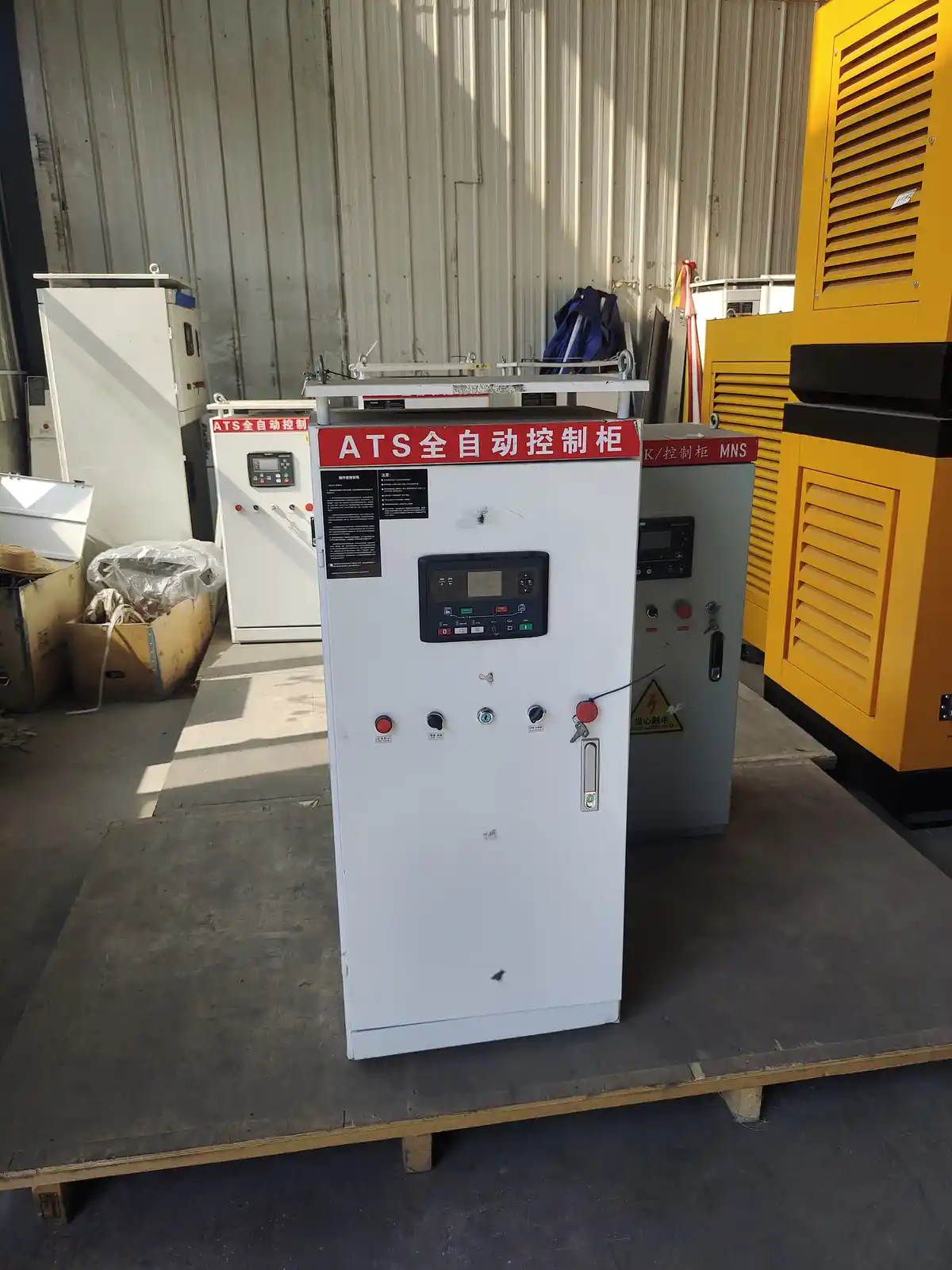
AMF means automatic mains failure. It describes a control function that responds to loss of the normal supply. An AMF-capable generator controller can supervise starting and command suitable switching equipment, but the controller itself is not the high-current transfer mechanism.
Supplier terminology varies: an “AMF panel” may include both controls and power-switching components. Ask for the single-line diagram, component list and sequence of operation instead of assuming that “AMF included” means a complete ATS is included. Our diesel generator controller selection guide covers the controller side of that decision.
How Does an Automatic Transfer Switch Work?
In a common utility-to-generator arrangement, the operating sequence is:
- Monitor normal power. The controls check the source against configured limits. A deliberate delay can prevent unnecessary starts during a brief disturbance.
- Request generator start. The integrated controls send the appropriate signal. The generator must be available for automatic operation, with its starting and support systems ready.
- Confirm acceptable generator output. Starting the engine is not enough; voltage and frequency must satisfy the system’s acceptance conditions.
- Transfer the load. The switching mechanism moves the designated circuits to the generator using the specified transition method.
- Watch for utility recovery. A retransfer delay helps avoid switching back to an unstable supply.
- Return and cool down. The load returns to the normal source, followed by the generator’s configured unloaded cooldown and shutdown sequence.
Exact sensing functions, thresholds and timers are equipment- and application-specific. Do not copy a universal voltage percentage or delay setting from a blog. Commissioning should verify the complete sequence against the approved design and manufacturer instructions.
How Long Does It Take to Restore Power?
The total interruption includes detecting the failure, any start delay, engine cranking, output stabilization and load transfer. The mechanical switching time is only one part. A switch advertised with a fast transfer mechanism does not make a stopped diesel engine supply power instantly.
If a server, process controller or medical device cannot tolerate that gap, it needs appropriately designed ride-through power, often a UPS, in addition to the standby system. Closed-transition switching can avoid a break during a planned transfer when both sources are available and suitable; it cannot remove the initial outage while a stopped generator starts.
When Do You Need an ATS for a Generator?
Start with the maximum acceptable interruption at the load, not simply the frequency of blackouts. Then compare it with the realistic time needed for a trained person to attend and operate a manual system.
| Situation | Practical direction | What to confirm |
|---|---|---|
| Unattended telecom, pumping or remote facilities | Automatic transfer is usually a strong operational requirement. | Remote alarms, fuel availability, automatic restart and response to generator failure. |
| Cold storage, livestock ventilation or time-sensitive production | Use ATS where waiting for staff creates unacceptable loss or risk. | Actual interruption tolerance, motor restarting and load sequencing. |
| Servers and sensitive control equipment | Consider generator + ATS + suitable UPS/ride-through. | UPS runtime, generator compatibility and recovery of downstream equipment. |
| Emergency or other regulated building systems | Have the design authority establish the required automatic transfer arrangement. | Applicable local rules, load classification, restoration time and testing obligations. |
| Staffed workshop with noncritical loads that can wait | A properly designed manual transfer system may be sufficient. | Trained staff availability, safe procedures and permission for manual operation. |
| Standalone tools supplied directly by a portable generator | An ATS may provide no useful function if there is no second source to switch. | Safe generator placement, load capacity and manufacturer operating instructions. |
When Is It Mandatory Rather Than Optional?
There is no single worldwide rule that every diesel generator must have an ATS. The answer depends on the installation, the loads served, the jurisdiction and the project specification. A safety-critical facility may require an automatic emergency supply arrangement that a manual switch cannot satisfy.
Ask the qualified electrical designer and local authority to confirm the applicable requirements before ordering. Do not assume that every circuit in a hospital, every commercial building, or every generator above a particular kW rating has identical transfer requirements.
A Simple Business Example
Consider a cold store that is unstaffed overnight. If backup depends on someone receiving an alarm, travelling to the site and operating a switch, the response time is uncertain. An ATS removes that attendance delay. However, it does not establish how long stored goods remain safe, guarantee successful compressor restarting, or compensate for insufficient generator capacity. Those are separate design checks.
ATS, Manual Transfer Switch or UPS: Which Do You Need?
- ATS: choose automatic source transfer when the load cannot wait for an operator or the site is unattended. It does not generate or store electricity.
- Manual transfer switch: can be appropriate when a permitted, trained manual response is acceptable. Proper manual transfer equipment can also provide safe source isolation; automatic operation is not the only safe option.
- UPS: supports sensitive loads through a supply interruption for its designed runtime. It complements a generator/ATS system rather than automatically replacing it.
An automatic switch does not make a pull-start generator start itself. Even electric start does not prove compatibility: the generator needs an approved automatic-start interface and a suitable installation. Likewise, an ATS is not an AVR. The AVR regulates alternator voltage; transfer equipment selects the supply source.
Safety: never feed a building through a wall outlet, bypass interlocks or improvise a utility connection. Building integration requires suitable transfer/isolation equipment and qualified electrical work. ATS cabinets can have more than one energized source and may operate automatically.
What Should You Check Before Buying a Generator ATS?
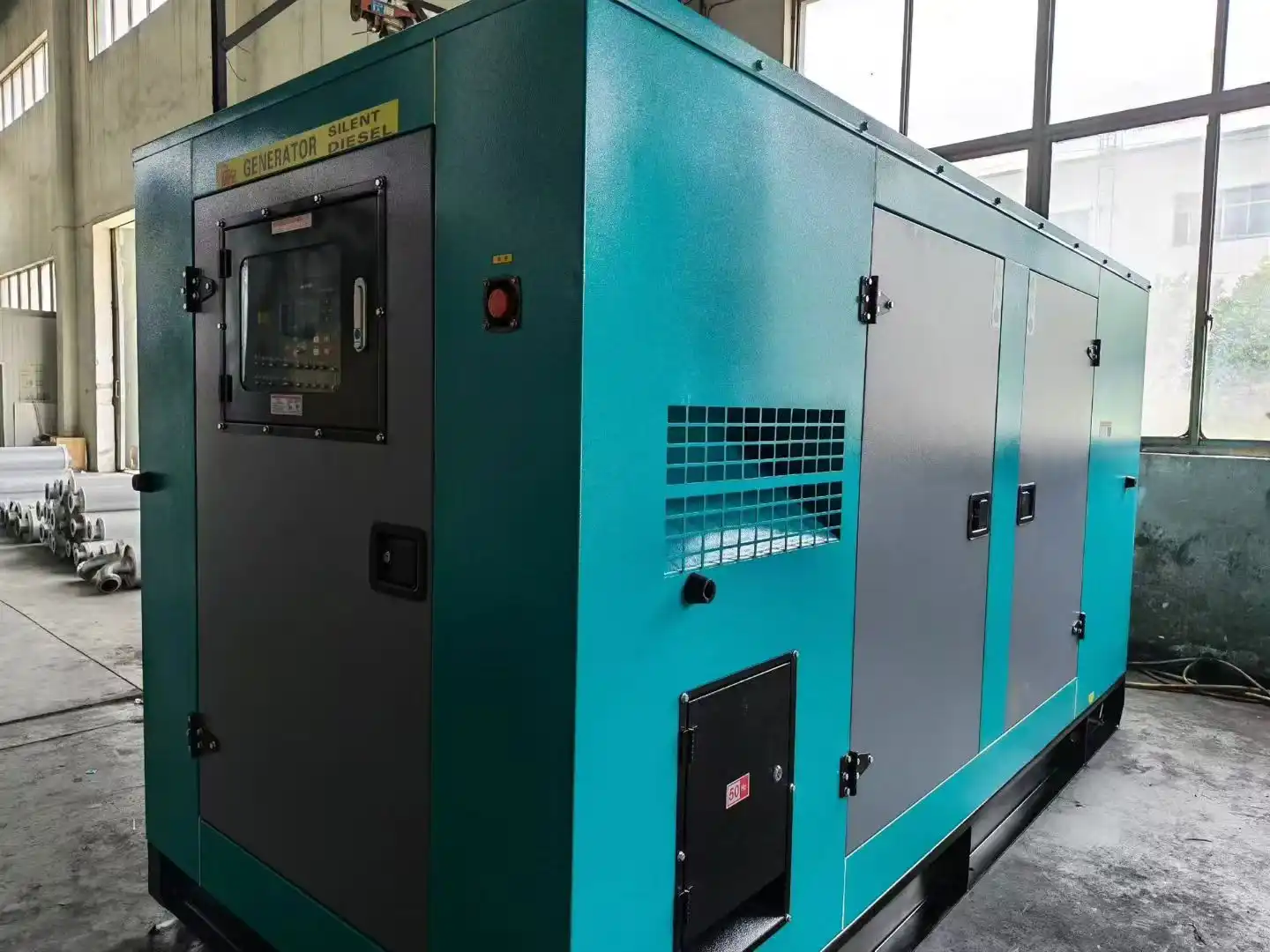
Specify the transfer equipment as part of the complete electrical system. A matching generator brand or a large ampere number alone is not a sufficient specification.
- Electrical supply: confirm voltage, phase, frequency, conductor arrangement and the actual circuits being transferred.
- Current and protection: match continuous-current capability to the installation design. Verify short-circuit withstand/closing ratings with the available fault current and associated protective devices, not just normal generator current.
- Neutral and grounding: decide whether the neutral must switch from the grounding/bonding and protection design. A three-phase system does not automatically mean either a three-pole or four-pole ATS is always correct.
- Start/stop compatibility: confirm the exact interface and responsibility for sensing, timers and commands. Two-wire remote start is common in industrial systems, but it is not universal.
- Load behavior: evaluate motor inrush, residual voltage, sensitive electronics and any sequential starting or load shedding. Load management must be included and commissioned if the design depends on it.
- Transition and maintenance: choose open, delayed or engineered closed transition to suit the loads. Consider bypass-isolation arrangements where maintaining the switch without losing the supplied load is important.
- Installation conditions: confirm indoor/outdoor enclosure suitability, ambient conditions, access, cable space and any service-entrance requirements.
Do not confuse switch size with generating capacity. A larger ATS may be needed because it carries the normal utility-fed load, while a smaller generator supplies only managed essential demand during an outage. Installing that larger switch does not allow the generator to power everything simultaneously. A load study and appropriate controls must resolve the difference.
For engineering background, the Cummins T-011 Transfer Switch Application Manual discusses transfer controls, load characteristics and installation considerations. It is a technical reference, not a substitute for current local requirements or the selected equipment’s instructions.
What Must Be Tested After Installation?
A generator that starts during a scheduled exercise has not necessarily demonstrated that the building load can transfer successfully. The handover should include a documented, professionally controlled test of the agreed operating sequence.
- Does the system detect the intended source failure and start the generator?
- Does it accept the generator only when the required output conditions are met?
- Do the designated loads transfer and restart without exceeding capacity?
- Does stable utility recovery lead to the correct retransfer, cooldown and stop?
- Are alarms, failure-to-start responses and any load-management functions verified?
- Are operating instructions, drawings, settings and maintenance responsibilities handed over?
Use the manufacturer’s maintenance schedule and the site’s applicable testing requirements. Internal inspection, isolation and electrical testing belong to qualified personnel. Do not open the cabinet, adjust live wiring or defeat an interlock to investigate a fault. For the professional installation scope, see our generator transfer switch installation guide.
Frequently Asked Questions
Can a diesel generator run without an ATS?
Yes. It can supply standalone loads or work with an appropriate manual or other engineered switching arrangement. Running the engine and safely transferring a building’s supply are different functions.
Does an ATS increase generator power?
No. It switches the source; it does not add kW or kVA. A system with properly configured load management can prioritize demand, but it cannot create extra generating capacity.
Can one ATS operate two generators?
Some transfer systems are designed to select between two generator sources. That is different from paralleling generators to combine output. Do not use an ordinary utility-generator ATS as paralleling equipment.
Is an ATS included when buying a generator set?
Not necessarily. Confirm the quotation. Ask whether it includes the complete transfer assembly, controller interface, protection scope, enclosure, drawings, commissioning and installation, or only the generator’s AMF capability.
Why does the generator run but the load remain off?
Possible reasons include unacceptable generator output, a transfer delay, an unavailable automatic mode, a protective trip or a switching/control fault. This symptom alone does not prove the ATS is defective. Record visible indications and have the service team assess the system safely.
Choose Automatic Transfer Around the Load, Not the Label
The practical rule is straightforward: use an ATS when backup must respond without a person, and add suitable ride-through where even the generator startup gap is unacceptable. Where a safe, permitted manual response meets the site’s needs, automation may be optional.
Planning a generator set with automatic backup? Send Zentramo your project requirements: destination country, supply voltage/phase/frequency, essential-load list, largest motor, acceptable interruption time, existing controller details and installation environment. Request a coordinated generator-and-transfer proposal rather than selecting the two components independently.