
Skid Steer vs Tractor: Choose by Loading and Implements
Choose a skid steer when repeated front-attachment work and short loading cycles in confined areas dominate. Choose a compact utility tractor when mowing, cultivation, pulling approved implements and traveling between work areas fill most of the schedule. A tractor with a front loader can handle many loading jobs; the decision depends on the recurring work and compatible tools.
This guide compares a wheeled skid steer with a compact utility tractor fitted with a loader. Large agricultural tractors and stand-on mini loaders belong to other classes. Compare actual models capable of the same required tasks rather than matching engine horsepower alone.
Skid Steer vs Tractor With Loader
| Decision factor | Wheeled skid steer | Compact tractor with loader |
|---|---|---|
| Working focus | Front-tool work and compact loading cycle | Implement platform with loading capability |
| Turning | Skid steering can pivot tightly | Steered wheels turn through an arc |
| Powered tools | Primarily auxiliary hydraulic attachments | PTO implements plus hydraulic loader/tool functions |
| Open-ground mowing/tilling | Needs a suitable hydraulic tool | Often suits approved PTO implements |
| Lifting comparison | Rated operating capacity on stated basis | Loader capacity at stated height and position |
| Ground impact | Skid turns can scuff turf | Turning, tyres and loading still affect turf |
| Quote scope | Machine, tools and hydraulic options | Tractor, loader, ballast and implements |
Why the Machine Layout Changes the Work Cycle
A skid steer is organized around its front attachment and lift arms. Its steering can reduce repositioning during short loading runs around bins, piles and obstacles. The working envelope still includes the tool: long forks or a projecting bucket change the space needed to turn.
A compact tractor is organized around travel, towing and implement functions, commonly including a rear three-point hitch and PTO. The front loader adds material-handling capability to that platform. This can be economical when a mower or tiller works for many hours and loading is secondary.
For an explanation of loader construction, read what a skid steer loader is. For either machine, measure working clearance rather than assuming that fitting through an entrance proves the entire job is feasible.
Lift Capacity: Compare the Same Load and Position
A skid steer’s rated operating capacity is not directly comparable with an unexplained tractor-loader figure. Tractor specifications can state capacity at the pivot pin or another position, and the permissible load changes with height and attachment geometry.
Ask each supplier for the permitted working load with your actual bucket or forks, at the required height and load center. Include attachment weight and the tractor’s specified ballast. Tipping load and breakout force are not substitutes for that working-load assessment.
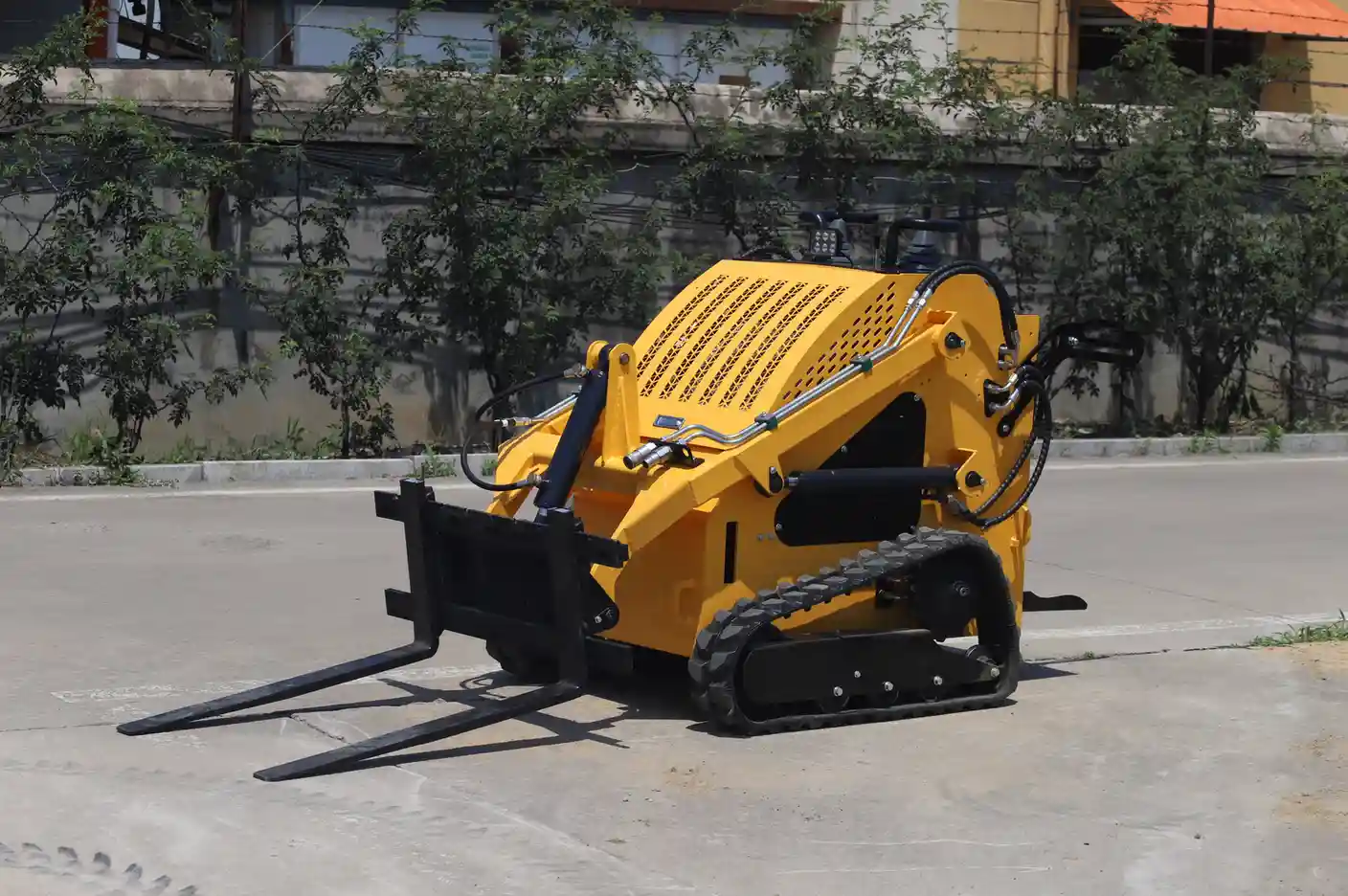
For repeated loading, compare the full cycle: approach, collect, travel, turn, place and return. A one-off demonstration lift does not establish the productivity or comfort of a full working shift.
Hydraulic Attachments vs PTO Implements
Start with the tools that will work every week. A hydraulic broom, auger or breaker points toward a carrier with the approved mount and hydraulic package. A rear PTO mower or tiller points toward the required PTO output and hitch configuration.
Bobcat’s tractor attachment guidance identifies PTO horsepower, hitch capacity, loader limits and hydraulics as separate compatibility checks. Engine horsepower does not replace them.
- Loader tools: confirm mount/locking geometry, approved weight, flow, pressure, controls and return connections.
- Tractor implements: confirm hitch category, permitted implement weight, PTO speed/power, driveline and hydraulic requirements.
- Adapters: confirm the complete approved arrangement; mechanical fit does not supply missing power or control functions.
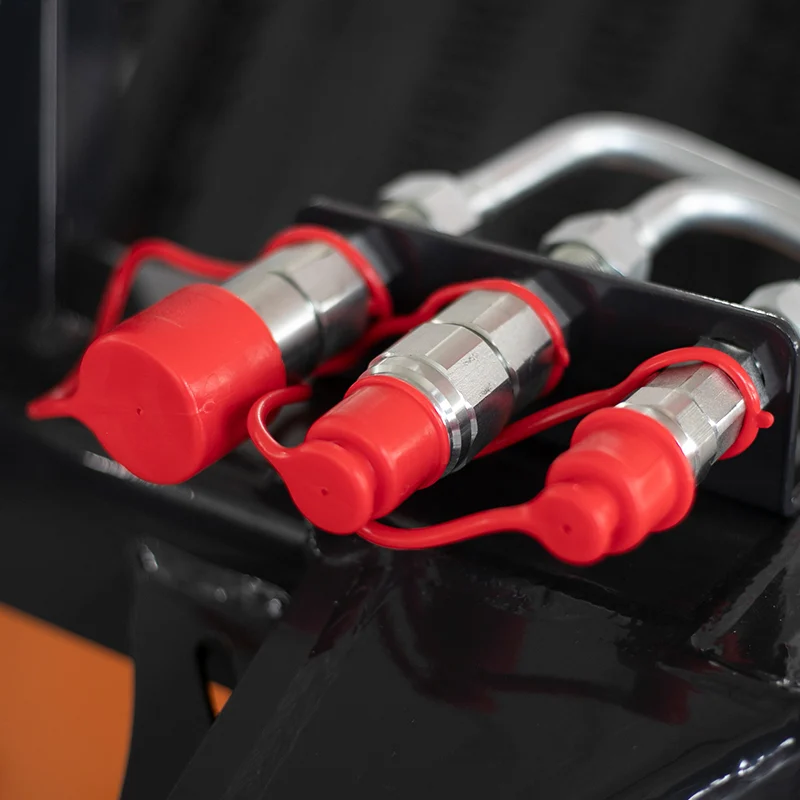
A tractor with a skid-steer-style front coupler may carry an approved tool, but that does not prove adequate hydraulic performance. Conversely, a three-point adapter on a skid steer does not automatically provide the PTO drive a tractor implement needs. Bobcat’s hydraulic guide explains why tool requirements should determine the hydraulic selection.
Surface, Travel and Operator Routine
Skid turning scrubs the tyres across the surface, which can scuff turf and add wear. A tractor taking broad turns may suit maintained grass better, although either machine can rut wet ground. Surface condition, machine loading and technique matter alongside the tyre specification.
Record the route between jobs, gates, overhead obstacles and turning space. For recurring soft-ground loader work, also compare a CTL using our tracks vs wheels guide. Tracks add upkeep and do not remove slope limits or turf-restoration needs.
Evaluate visibility, entry/exit, control comfort, tool changes and service access in representative work. For work near buildings, include ventilation and safe clearance in the plan. Travel or towing on public routes requires the selected equipment and applicable local permissions; it should not be assumed from the tractor label.
Compare Ready-to-Work Packages
A tractor price without its loader, ballast and implements is not comparable with a fully equipped skid steer. A skid steer without required hydraulic options and tools is equally incomplete.
- Equipment: machine, attachments, couplers, ballast and selected options.
- Operation: fuel, labor and time spent traveling or changing tools.
- Service: scheduled maintenance, tyres, hoses, wear parts and support.
- Logistics: transport weight, loading arrangements and delivery.
- Ownership: financing, storage, downtime and residual value.
Allocate the costs over the tasks and productive hours you expect. Existing compatible PTO implements can favor the tractor economically; an established hydraulic-tool inventory can favor the loader. Do not count incompatible tools as a saving.
Which Machine Fits Your Work?
- Daily yard loading or close-positioning work: shortlist a skid steer that meets access, load and tool requirements.
- Seasonal mowing and cultivation: shortlist a tractor matched to the recurring implements.
- Landscape construction: compare loading, spoil movement and hydraulic-tool hours against any mowing duties.
- Occasional secondary projects: compare renting the other machine with purchasing capacity that spends most of the year idle.
Acreage alone does not decide the result. Write down the three most frequent tasks and estimate hours for each, then arrange a demonstration around those tasks.
Frequently Asked Questions
Can a Skid Steer Replace a Tractor?
It may replace loading and selected attachment work. It does not automatically replace PTO implements or approved towing duties; map every recurring task first.
Can a Tractor Use Skid Steer Attachments?
Some combinations can, with approved fitment and sufficient capacity, hydraulics and controls. The coupler alone is not a compatibility guarantee.
Which Is Better for Mowing?
Choose around the approved mower, surface and daily workflow. Recurring open-ground PTO mowing often favors a tractor; hydraulic mowing is a different carrier/tool package.
What to Send With Your Enquiry
- Recurring tasks, estimated hours and existing tool inventory.
- Heaviest load, load dimensions and required placement height.
- Required powered tools or PTO/hitch specifications.
- Access dimensions, surfaces and travel distances.
- Transport capacity, destination, service needs and complete quote scope.
Explore the Zentramo skid steer range or share your task and implement list. Compare the complete package that performs the recurring work, including the cost of any missing capability.