KTTA19 vs QSK60: Engine Differences for BelAZ Buyers
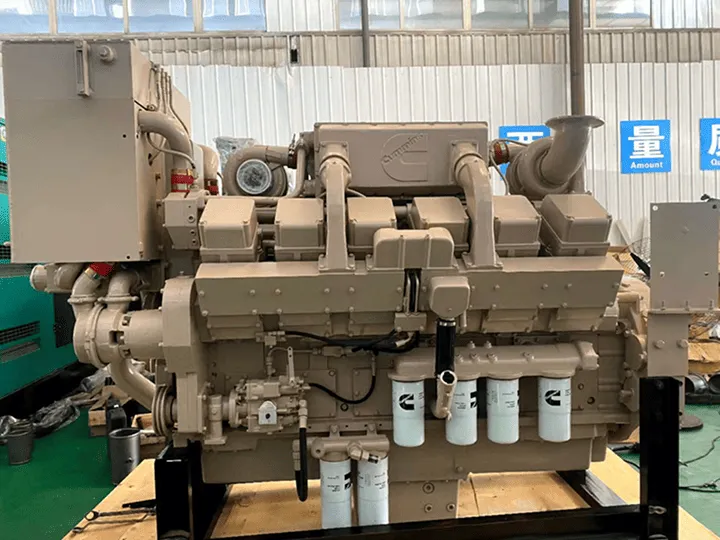
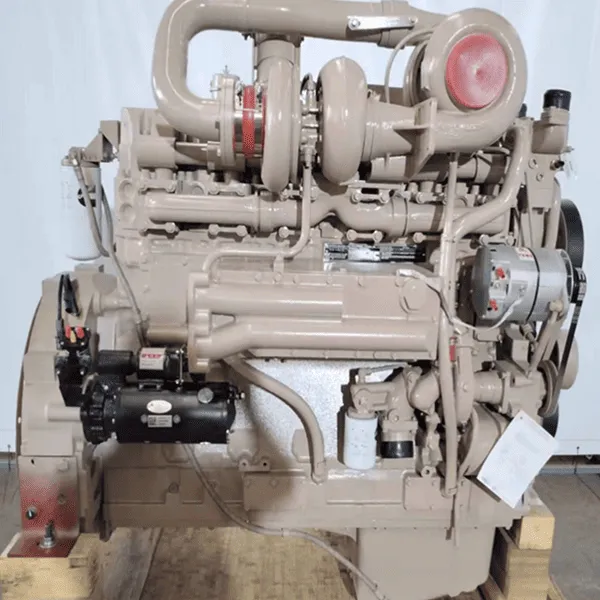
KTTA19 and QSK60 are different capacity platforms, not interchangeable upgrades. A KTTA19 belongs to the 19-litre inline-six K19 family; a QSK60 is a 60-litre V16 platform. Choose a matching engine for the truck’s approved build and duty. If a different family is being considered, evaluate a documented repower project before comparing purchase prices.
This guide compares the engines’ architecture and purchasing implications. For mounting, cooling and commissioning checks during a proposed replacement, use our separate KTTA19 vs QSK60 compatibility guide.
KTTA19 vs QSK60: A Fair Specification Comparison
| Attribute | KTTA19 / K19 platform | QSK60 platform | What the buyer needs |
|---|---|---|---|
| Displacement | 19 litres | 60 litres | Exact application build |
| Cylinder layout | Inline six | V16 | Installation drawings and scope |
| Published rating example | KTTA19: 700 hp at 2,100 rpm, intermittent | Regional QSK60 listing: 2,000–2,700 hp | Specific rating, speed and duty |
| Fuel/control configuration | Identify the supplied K-series system | HPI and MCR variants exist in published specifications | Fuel-system and control identity |
| Emissions | Build and application dependent | Build and market dependent | Engine-specific documentation |
| Fitment | Check the truck’s approved package | Check the truck’s approved package | No family-name interchangeability assumption |
The platform and KTTA19 example above come from Cummins’ K19 page; the QSK60 range and listed variants come from its regional QSK60 page. These are published references for identified listings, not equivalent-duty test results or universal ratings. Use the actual offered engine’s datasheet for a purchase.
Power Output: Compare the Work, Not a Bigger Number
The much larger QSK60 platform serves different power demands. That difference does not make it the better purchase for a truck engineered around a smaller engine. Engine torque, operating speed, drive interfaces and cooling all influence how the chassis uses the output.
For a working BelAZ truck, identify the OEM configuration first. A family used somewhere in the BelAZ range is not automatically suitable for every model or serial number. For a 75131-specific discussion, read our BelAZ 75131 engine comparison.
For a fleet investment, compare complete truck productivity on the route: payload, loaded and empty travel, gradients, queueing and availability. Comparing the fuel burned by two unequal engines without comparing delivered work produces a misleading efficiency ranking.
Fuel Systems and Controls: Identify the Version
Do not assume every QSK60 has the same fuel system or emissions equipment. The cited regional specification lists HPI and MCR options. Diagnostic procedures, pumps, injectors, calibration and parts selection must follow the supplied version.
The K-series label also does not establish that all accessories and controls are identical. Record engine serial number, CPL where applicable, governor/control equipment and the required instrumentation. Existing maintenance familiarity is useful only when it applies to the proposed build.
A change in controls affects more than the harness connector. Monitoring, shutdown protection, start permissives and communication with the truck need a compatible, documented arrangement. Missing control equipment should appear as a quotation exclusion rather than becoming a surprise during installation.
Cooling and Service Requirements
Displacement and output differences make cooling and installation data essential, but exact requirements should come from the selected engine. Ask for heat-rejection, charge-air cooling, intake restriction and exhaust-backpressure limits at the intended rating.
Plan workshop and field service around the engine’s actual requirements. Include diagnostic access, lifting equipment, component availability, filtration and the relevant service documentation. Fewer cylinders do not guarantee lower cost per productive hour; more electronic control does not guarantee lower maintenance cost.
Emissions approval is equally specific. “QSK60” is not a certificate for Tier 4 Final, and a legacy engine name does not establish permission to import or operate it in every destination. Match the supplied documentation to the exact build and application.
Compare a Complete Replacement Scope
A price comparison should cover the engine and everything needed to restore the approved duty: supplied accessories, freight, installation work, commissioning, support and warranty. If changing families, add engineering and integration work before calculating any savings.
Operating cost per delivered tonne = measured fuel, service and other operating costs ÷ tonnes delivered in the same work period.
Use the same route, loading policy and cost boundary. Record downtime separately where the financial impact is material. A larger engine’s higher hourly consumption may or may not correspond to higher cost per tonne; neither outcome should be asserted without operating data.
Which Engine Should a Buyer Choose?
- Matching KTTA19 replacement: shortlist the documented build when that is the truck’s approved configuration and the project is restoring its existing duty.
- Matching QSK60 replacement: shortlist the documented build when the truck and power system were specified for it.
- Different-family proposal: establish approved integration before treating the engines as alternatives.
- Unknown truck history: resolve the current configuration before placing an order.
Frequently Asked Questions
Is the QSK60 a Direct Upgrade From KTTA19?
No direct-fit conclusion follows from higher horsepower. Physical interfaces, drive capacity, cooling and controls must be approved for the proposed installation.
Which Engine Is More Reliable?
A useful reliability comparison needs the exact builds, operating duty, maintenance and observed failure data. The family names alone do not support a reliability score.
Do All QSK60 Engines Use Common Rail?
No. Published QSK60 specifications include different fuel-system variants. Identify the engine version before selecting parts or applying service procedures.
What to Send With Your Enquiry
- BelAZ model, serial number and current engine dataplate.
- Engine serial number, CPL, rating, speed and application.
- Installation/interface drawings and accessory list.
- Site altitude, temperature, route and operating hours.
- Required supply condition, acceptance test, warranty and destination.
Send Zentramo your truck and engine details to review a matching quotation. Keep the specification comparison separate from the engineering approval for a different-family repower.