
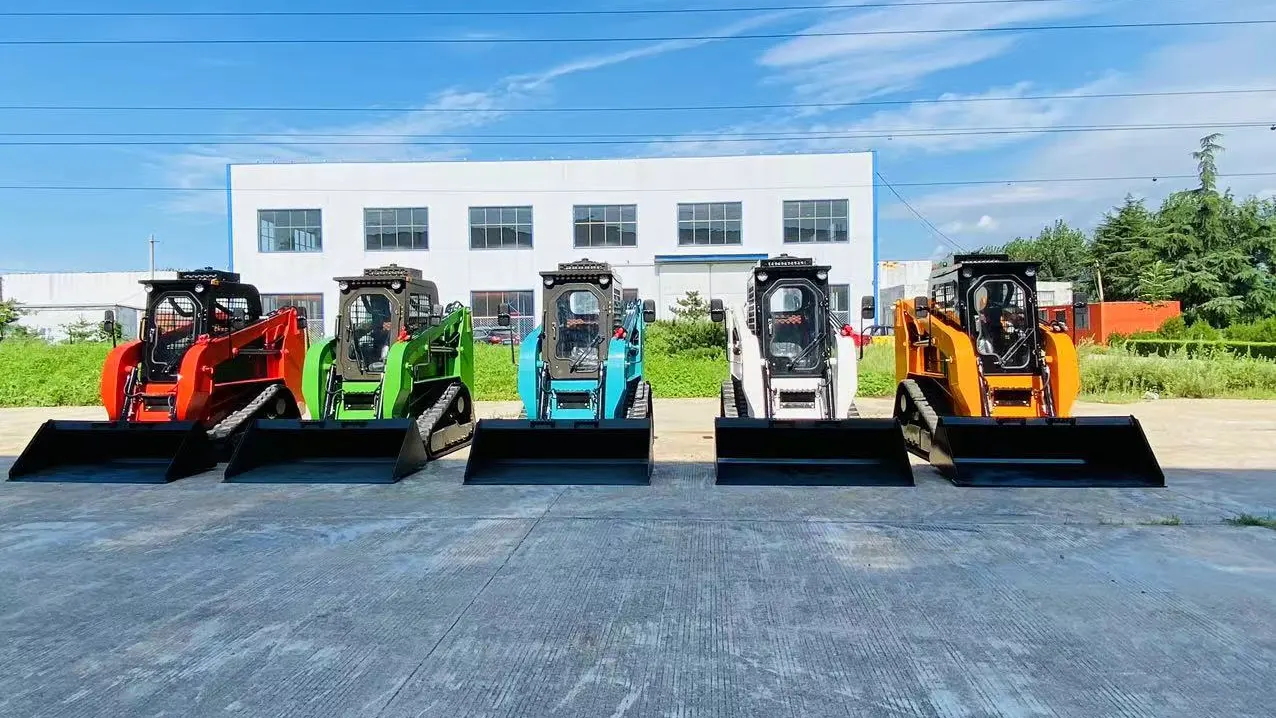
Skid Steer vs Compact Track Loader: Which Should You Choose?
Choose a wheeled skid steer when firm yards, pavement and frequent short handling cycles dominate the work. Choose a compact track loader when soft-ground access, flotation and traction repeatedly limit production. Then compare the actual load, attachment, dimensions and ownership costs. Tracks are not an automatic upgrade, and a lower purchase price is not a saving if the machine cannot reach the job.
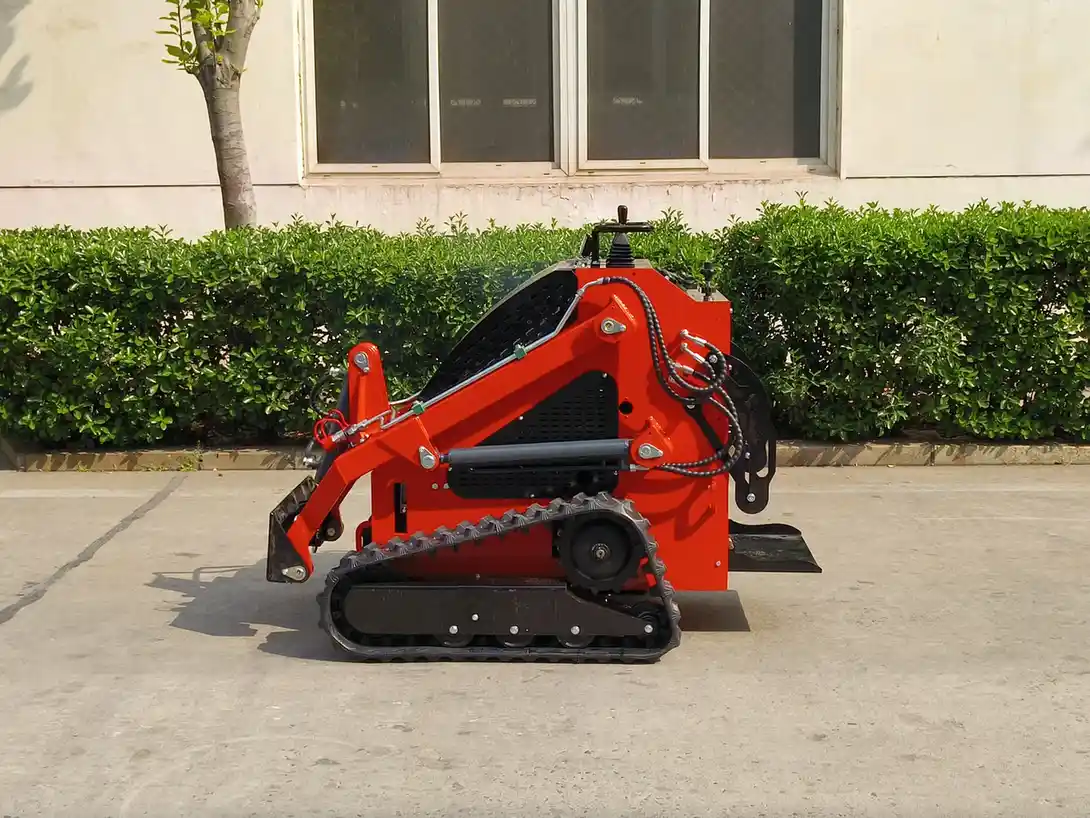
In this guide, skid steer means a four-wheel skid-steer loader, while compact track loader, or CTL, means a purpose-built tracked machine. Buyers often call the latter a tracked skid steer. A stand-on mini loader is a different size and operating class: compare like-for-like configurations rather than applying a full-size loader’s ratings to a mini machine.
Skid Steer vs Compact Track Loader: Quick Comparison
Use this table to shortlist a machine category, not to approve a load or operating condition. Both candidates must first meet the same task requirements.
| Decision factor | Wheeled skid steer | Compact track loader |
|---|---|---|
| Concrete, asphalt and firm yards | Often a practical starting point for repeated travel and handling | Usable, but abrasive travel and tight turns can increase track wear |
| Soft soil, sand and wet access | Tires may sink or spin as bearing strength falls | Larger contact area usually improves flotation and usable traction |
| Turf and finished surfaces | Concentrated tire loading and skid turns may leave damage | Can reduce rutting, but pivot turns can still tear turf |
| Lift and hydraulic performance | Determined by the selected model, rating basis and attachment | Also model-specific; tracks alone do not establish greater capacity |
| Wear budget | Tires, wheels and drive-system condition | Tracks, rollers, idlers, sprockets and tensioning system |
| Purchase and transport | Often less expensive and lighter in a comparable class | Often higher initial cost and transport weight; verify the package |
| Snow work | Match tire specification to the surface and task | Match track pattern; not every rubber track suits snow |
Caterpillar’s tracks-versus-wheels guidance identifies the central trade-off: off-road capability versus the running-cost advantages of wheels on firm ground. The useful question is where that capability will earn its keep in your workload.
Ground Contact Changes Production, Not Just Traction
Why Tracks Can Keep a Soft-Ground Job Moving
A track spreads the supported load across a longer footprint than a tire contact patch. That can reduce average ground pressure and help the machine stay nearer the surface instead of sinking. When tire spin or rutting interrupts every loading cycle, improved flotation can be more valuable than a higher advertised travel speed.
However, ground-pressure figures are tied to a configuration. Compare track width, operating weight and the manufacturer’s stated measurement conditions. A bucket full of material changes the loading; a dry demonstration area does not represent saturated fill after rain. Tracks do not guarantee access across weak ground or eliminate the need for ground protection.
Why Wheels Often Make Sense on Pavement
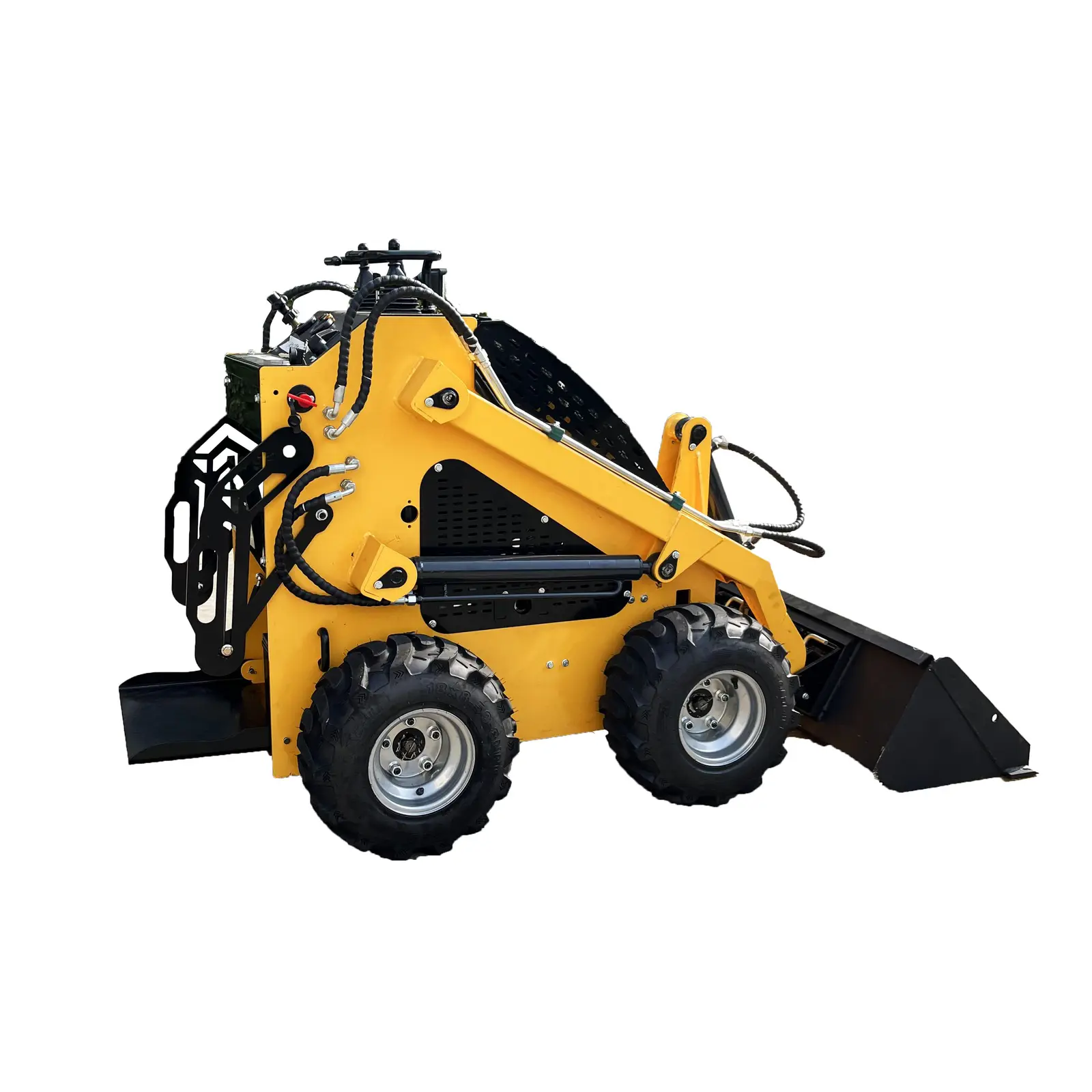
On a firm loading yard, additional flotation may contribute little. A wheeled configuration avoids buying and maintaining a complete track system for a benefit the route rarely needs. Tires still need an appropriate tread, construction and load specification, especially around sharp demolition debris.
Do not turn that preference into a blanket speed claim. Compare actual travel modes, loaded cycle time, visibility and turning space. A faster empty-machine run is not proof of faster work when every cycle includes positioning, filling and careful unloading.
Can a Compact Track Loader Turn in Place?
Yes. Both categories steer by controlling the movement of their left and right sides. The distinction is not that one can pivot and the other cannot. On a CTL, repeated aggressive turns can increase undercarriage wear and disturb the surface. Caterpillar recommends gradual or three-point turns where practical, reserving tight counter-rotation for situations that require it.
For narrow access, measure the machine with its actual attachment and allow for the swept working envelope. For slopes, follow the exact machine manual and site assessment; a traction advantage is not permission to operate at a steeper angle.
Compare Load Ratings Before Comparing Horsepower
A brochure’s largest number may describe tipping load, rated operating capacity, breakout force or operating weight. These are not interchangeable. Begin with the material or pallet, its load center, the attachment, and the required placement height and reach.
A Real Example of the 35% vs 50% Rating Trap
The Cat 255 specification page lists a 7,140 lb tipping load, 2,499 lb rated operating capacity at 35% of tipping load, and 3,570 lb at 50%. Those are different published rating bases for the same model, not evidence that a second machine is stronger.
Before comparing two quotations, ask each supplier to state the rating basis, fitted bucket or forks, counterweights and applicable operating conditions. Do not recalculate a higher percentage and treat it as an approved working limit. Use the manufacturer’s instructions and attachment-specific capacity information for the actual task.
Lift Path and Attachments Are Separate Decisions
Check where the load must be placed, not only how high the arms rise. Compare the manufacturer’s lift-path information, clearance and reach with the intended truck, hopper or pallet position. Wheeled and tracked machines may be offered with different lift arrangements; the undercarriage name does not specify the geometry.
For powered tools, verify all of the following before ordering:
- Mounting plate, locking arrangement and approved carrier compatibility.
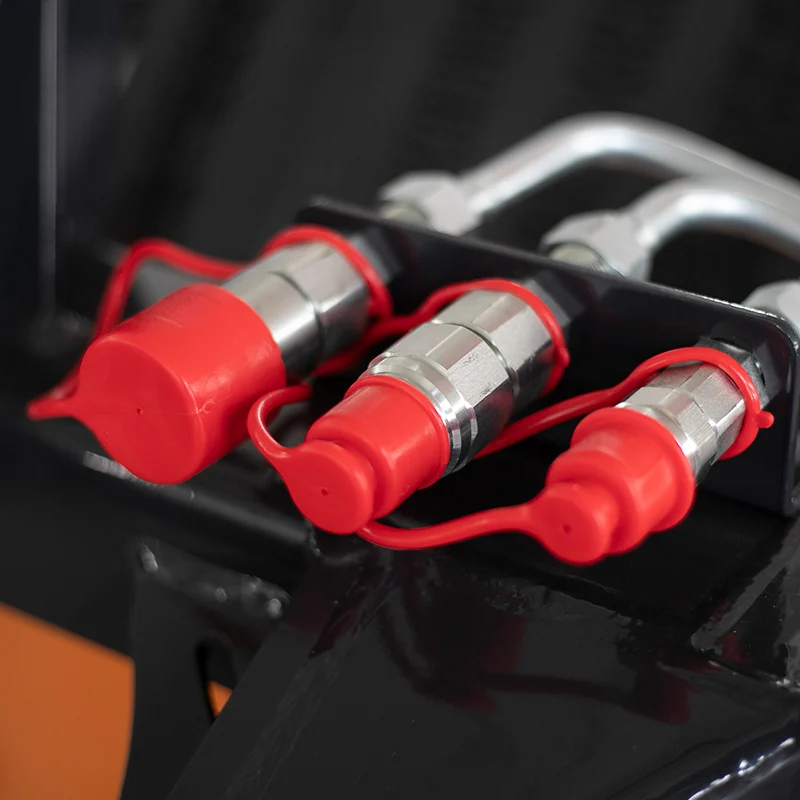
- Required hydraulic flow and pressure, including standard-flow or high-flow configuration.
- Coupler specification, electrical controls, and any case-drain or return-line requirement.
- Attachment mass, working load, cooling requirements and manufacturer-required protection.
A forestry tool, for example, needs an approved carrier and protection package, not just tracks and sufficient engine horsepower. Use our guide to skid steer attachment types to define the jobs before choosing the carrier.
Maintenance: Price the Complete Wear System
For a CTL, a replacement-track quote is only the beginning. Request prices and availability for rollers, idlers, sprockets and tensioning components, plus inspection and cleaning labor. Check the model’s tension procedure rather than relying on a generic sag measurement. Packed debris, damaged tracks and uneven wear deserve attention before the next shift.
For a wheeled skid steer, consider tire damage, tread wear, inflation where applicable, wheel condition and drive-system service. Solid and pneumatic tires are not interchangeable merely because the diameter looks similar; specify an approved setup for the machine and ground.
Both machines still require engine, cooling, hydraulic and attachment maintenance. A used CTL with fresh rubber tracks is not necessarily a refreshed undercarriage. Ask for service records and an inspection of the supporting components, not just photographs of new tread. Likewise, clean tires do not prove a wheeled loader’s drivetrain is healthy.
Keep the comparison practical: which parts can be supplied locally, who will diagnose a failure, and how long would the work stop? Do not use a universal track-life or tire-life figure as a guaranteed replacement interval.
Calculate Cost per Completed Job, Not Just Purchase Price
Compare two machines that can perform the same work with the required attachments. Include ownership, fuel, wear, service, transport, cleanup and job delays over the same period. The denominator matters: engine hours are not the same as productive output.
Cost per completed job = total costs allocated to the compared workload / number of equivalent jobs completed.
Use depreciation or an ownership allocation consistently; do not charge the full purchase price and depreciation for the same period. When comparing rental, use the quoted rental package instead of ownership cost and check who pays for transport, damage and routine care.
An Illustrative Break-Even Check
Suppose your own quotations and operating records show that a CTL would cost an additional $6,000 per year after all relevant cost differences. If each genuinely recovered working day contributes $750 after its variable job costs, the extra cost would require eight additional productive days: $6,000 / $750 = 8.
These are hypothetical planning figures, not machine prices or promised savings. A wet day only counts if work can proceed safely, the crew and materials are available, and demand exists. If there are only two such jobs each year, renting a tracked machine may deserve comparison. If soft access stops the crew every month, ownership may be easier to justify.
Which Machine Fits Your Actual Jobs?
| Recurring job | Start your shortlist with | Check before committing |
|---|---|---|
| Paved-yard loading and sweeping | Wheeled skid steer | Turning space, tire choice, loaded cycles and sweeper hydraulics |
| Landscaping and grading on exposed soil | Compact track loader | Ground strength, access, restoration and track-cleaning arrangements |
| Farm feed and material handling | Either, according to the complete route | A concrete feed area and a wet field approach create different needs |
| Pallet placement | The model with verified fork capacity and reach | Load center, placement height, visibility and travel surface |
| Snow removal | The approved tire or track package for the surface | Snow versus ice, tread, attachment and manufacturer limitations |
| Mixed occasional work | Own for the recurring workload; price rental for exceptions | Availability, delivery charges and the cost of waiting |
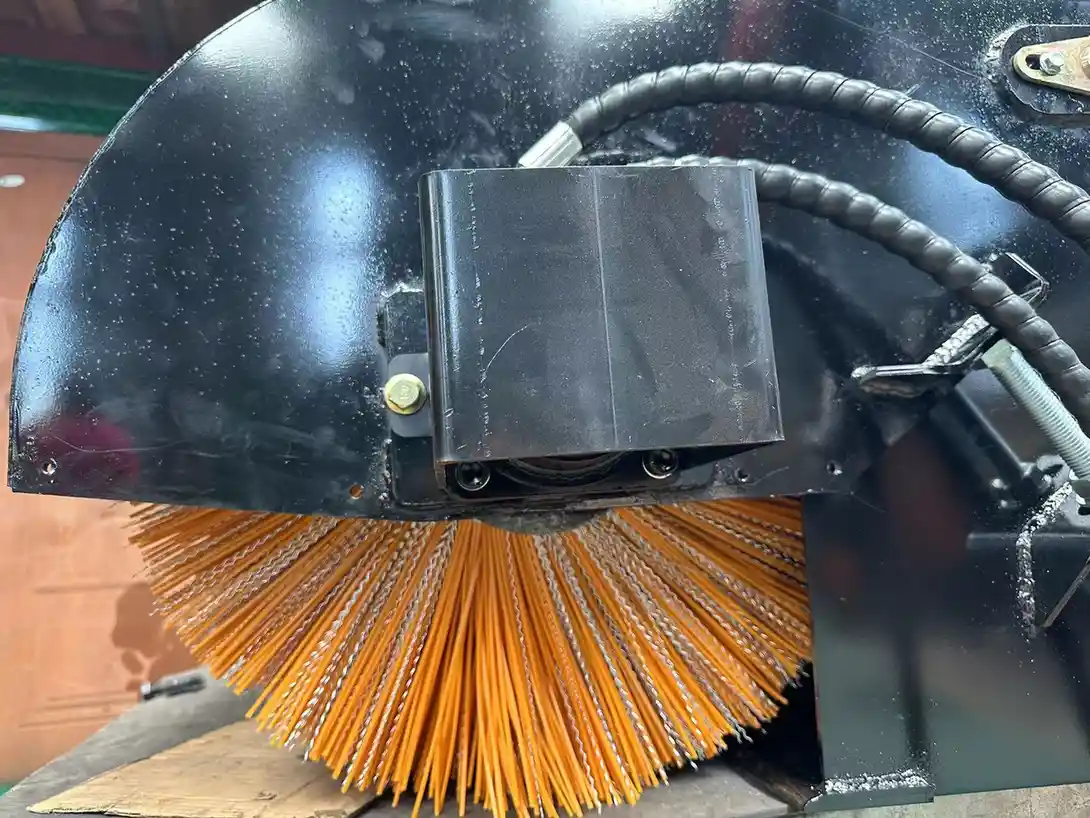
A broom is a useful example: both carrier types may power a compatible tool, but cleaning concrete all day creates different running costs from moving between muddy access routes and a paved entrance.
Turf, Snow and Cases Where Neither Is the Answer
Tracks can reduce rutting, but tight turns can still shear turf. Where restoration is expensive, compare protective measures and a demonstration on representative ground rather than accepting a claim of zero damage.
Snow is also configuration-dependent. Bobcat’s track-selection guide distinguishes tread patterns and does not recommend its listed C-pattern tracks for snow. That is a useful reminder to compare the specified tire or track, not assume all tracks outperform all tires on winter surfaces.
If deep excavation is the main task, evaluate an excavator. If long-distance material travel dominates, assess whether another loader category is a better fit. Indoors, ground suitability alone is insufficient: emissions, ventilation, floor loading and site controls must also be addressed.
Check Transport and Run a Like-for-Like Trial
A comparable CTL is often heavier, but category averages cannot size a transport setup. Obtain the selected machine’s weight and dimension basis, then account for the actual attachment, additional tools, fluids and optional equipment without double-counting items already included. Confirm the complete transport arrangement and applicable local requirements.
Before purchase, ask for a representative trial with the same material and suitable attachment on each candidate. Record:
- Loaded cycle time and useful output, not only top speed.
- Access clearance, turning room and visibility at the real placement point.
- Traction, rutting and cleanup required on the intended surface.
- Attachment response and sustained operation within approved limits.
- Operator feedback, service access and transport practicality.
Do not test a machine beyond its approved limits to settle a comparison. A safe, repeatable task gives better purchasing evidence than a dramatic demonstration.
Frequently Asked Questions
Is a Tracked Skid Steer the Same as a Compact Track Loader?
In common buying language, often yes. Confirm whether the quotation describes a purpose-built CTL, a stand-on mini track loader, or a wheeled machine fitted with over-the-tire tracks. Those distinctions affect specifications and compatibility.
Can Over-the-Tire Tracks Replace a CTL?
They may be an approved option for some wheeled machines, but they do not automatically turn one into a purpose-built CTL. Ask the machine and track-system suppliers about fitment, clearances, additional loads and operating restrictions. Do not transfer CTL capacity ratings to the converted setup.
Does a Track Loader Always Lift More?
No. Compare the exact models, rating bases, attachments and operating conditions. Better traction on soft ground and higher permitted lifting capacity are separate claims; one does not prove the other.
What to Send for a Useful Loader Quotation
For a configuration discussion through Zentramo, start with the work rather than requesting the cheapest wheel or track model. Send:
- Typical ground surfaces, wet-season conditions and representative route photos.
- Materials or pallet loads, load center, lift height and placement reach.
- Attachment list and any known flow, pressure, control or drain requirements.
- Narrowest access, attachment width, headroom and transport limits.
- Expected annual use, destination, operator arrangement and wear-parts support needs.
The Zentramo loader range includes wheeled and tracked configurations with seated and stand-on options. Compare the relevant class first; do not infer the performance of a compact configuration from a full-size industry example. Send your application details and request a written machine-and-attachment specification, including the load-rating basis and supplied options.