Skid Steer vs Mini Excavator: Choose by the Main Job
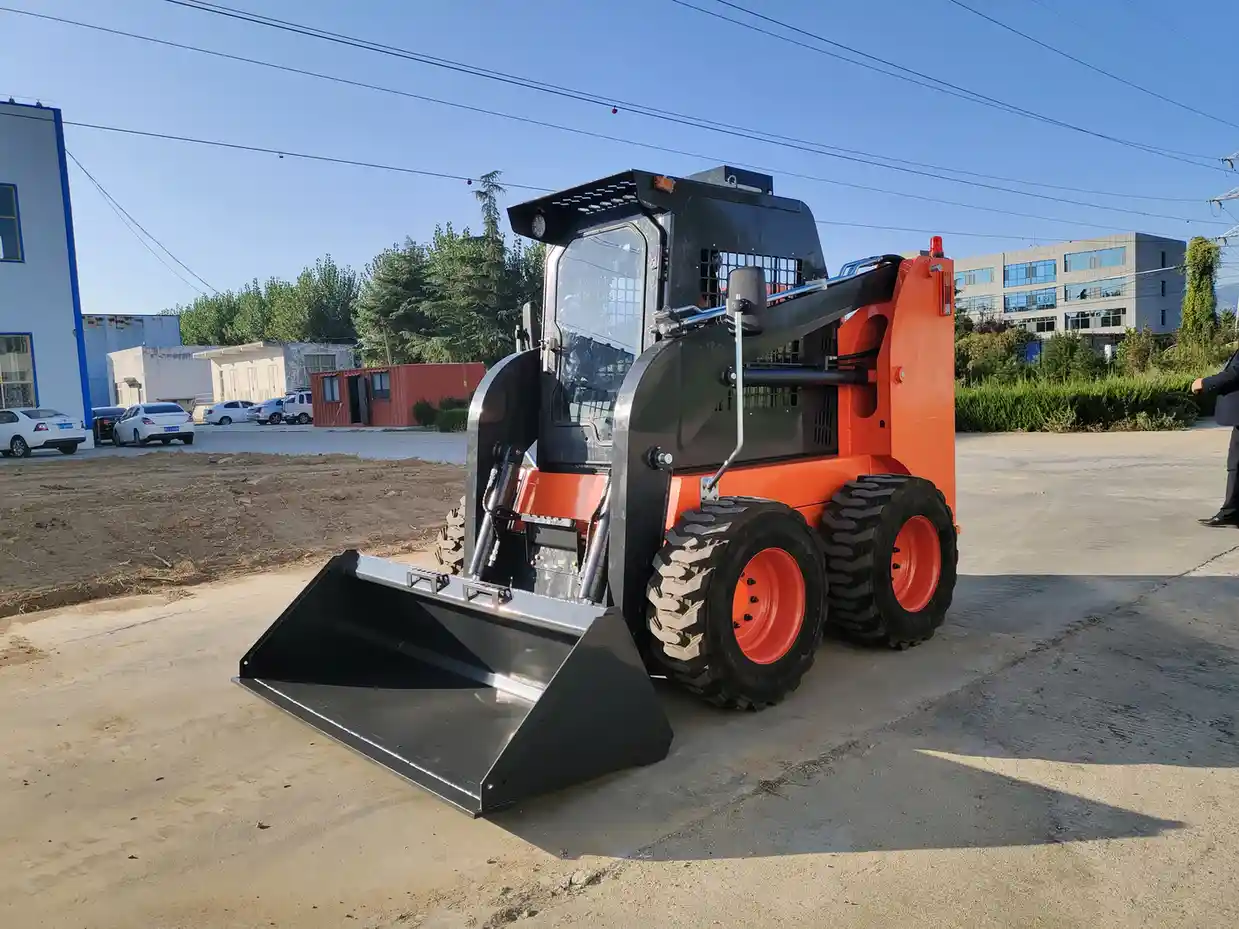
Choose a skid steer when loading, carrying, grading and attachment work fill most of the schedule. Choose a mini excavator when digging below grade, trenching and placing material within the boom’s reach are the recurring tasks. For excavation followed by spoil handling and backfilling, the machines often complement each other.
The useful comparison is the work sequence, not which machine has the longer attachment list. This guide primarily compares a wheeled skid-steer loader with a tracked mini excavator. For loader work on soft ground, also evaluate a purpose-built compact track loader.
Skid Steer vs Mini Excavator at a Glance
| Decision factor | Skid steer | Mini excavator |
|---|---|---|
| Core strength | Material movement and front-tool work | Controlled digging and reaching |
| Working mechanism | Front lift arms and travel-based cycle | Boom/arm with rotating upper structure |
| Typical movement | Travel between stockpile and receiving point | Dig and place within reach, then reposition |
| Critical dimensions | Capacity, placement height and reach | Depth, reach, swing and working envelope |
| Tool matching | Mount, load rating and auxiliary hydraulics | Coupler, tool weight and hydraulic functions |
| Mixed-project role | Move spoil, bring materials and deliver backfill | Excavate the trench or footing |
Bobcat’s practical comparison distinguishes loader work from excavation-led work. The category is a starting point; the selected models still need to meet the actual dimensions and loads.
Mini Excavator: Check the Usable Digging Envelope
A boom and arm can reach below grade while the upper structure turns to place excavated material nearby. That arrangement suits trenches, footings and localized excavation where digging control is the central task.
Maximum digging depth alone is not enough. The required depth must be available from a safe machine position, with space for the bucket, swing and spoil. A machine operating at the limit of its reach may need more repositioning than the brochure figure suggests.
- Record the required depth and trench or excavation geometry.
- Measure access width, overhead obstacles and working clearance.
- Identify where the machine can stand and where spoil must go.
- State ground conditions and the required bucket or powered tool.
- For lifting, use the exact machine’s load chart and approved arrangement.
Plan excavation around underground-service information and applicable safe-work requirements. A more compact machine does not remove those constraints.
Skid Steer: Measure the Whole Loading Cycle
A skid steer handles a front attachment through its lift arms and travels between work points. That makes it a useful candidate for moving aggregate, loading, cleanup and repeated short material-handling runs.
Specify material density, quantity per load, attachment weight and receiving height. Ask whether the machine can place the load into your actual truck or container at the required reach. Maximum lift height, breakout force and tipping load are different from a permitted working load.
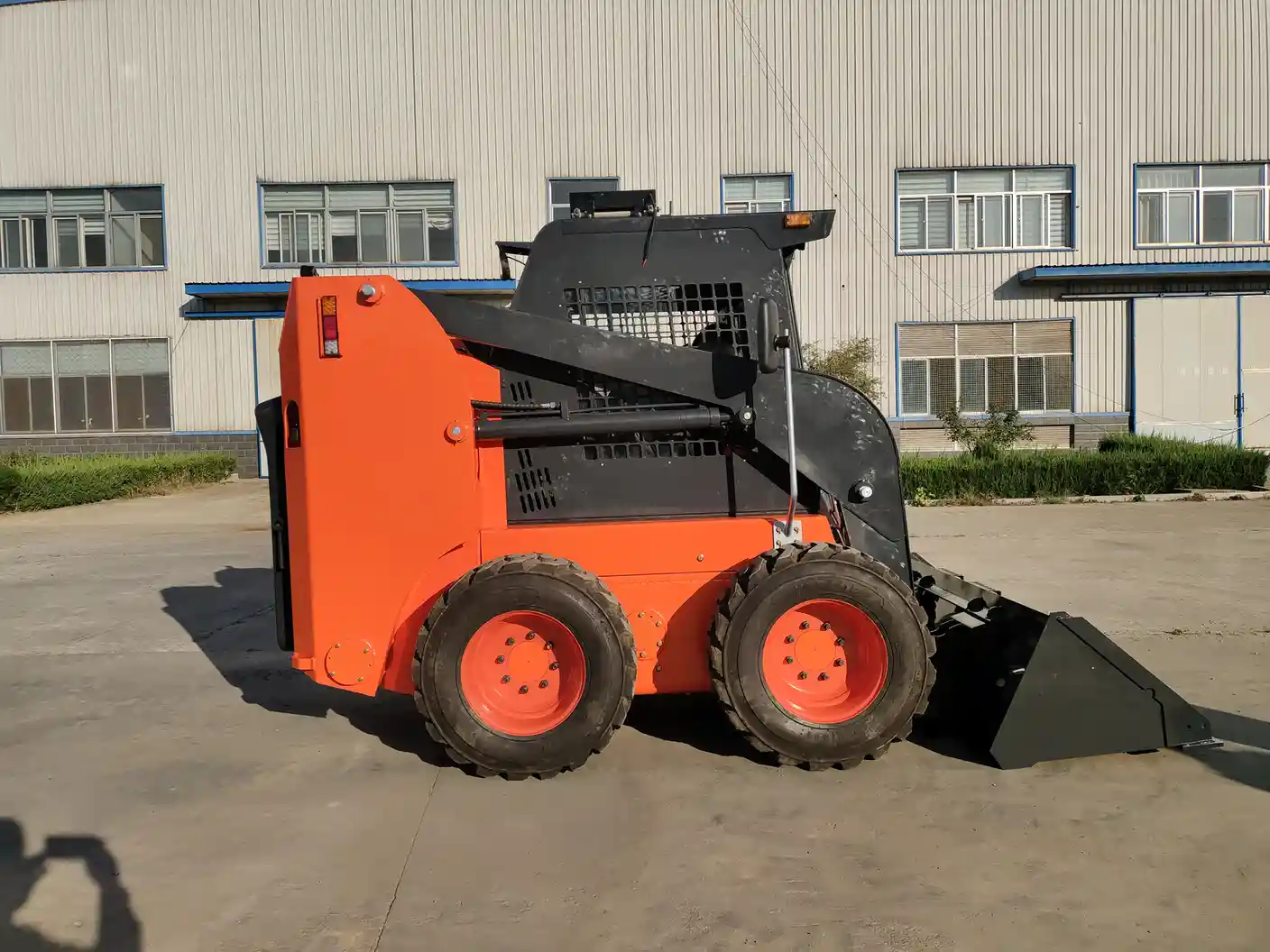
Evaluate the route too: entrance dimensions, turning space, travel distance and surface when wet. A loader may fit through a gate yet lack room to maneuver with a projecting bucket or long forks.
Attachments Do Not Remove the Core Design Difference
A digging attachment can extend a loader’s capabilities for occasional work, but it does not automatically reproduce a mini excavator’s reach, visibility or working geometry. Compare the complete task and approved configuration before deciding that one tool eliminates the need for another machine.
Powered tools need compatible hydraulic flow, pressure, return arrangements and controls as well as a mechanical mount. Bobcat’s hydraulic attachment guidance explains why the hydraulic option follows the intended tools.
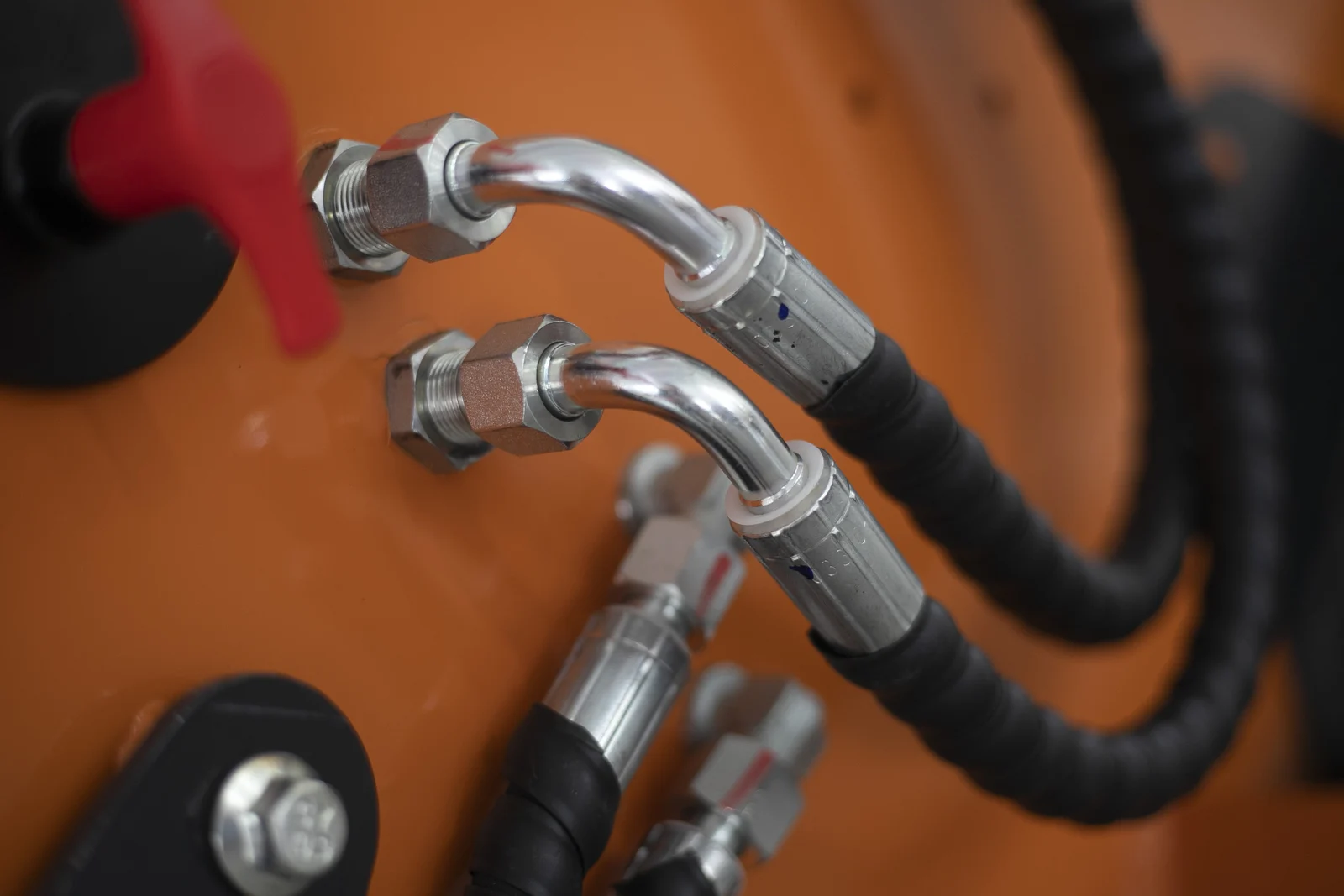
The same discipline applies to excavator attachments. Tool weight, coupler geometry and auxiliary functions affect whether the package fits. Compare the quoted machine-and-tool combination, not only the base-machine price.
Ground and Clearance Can Change the Shortlist
Tracks can help on soft ground, but their benefit depends on machine weight, contact area and the surface. Tight turns can still disturb turf. Neither a tracked excavator nor a CTL is automatically safe on any slope; the model’s instructions and site assessment govern operation.
Distinguish transport dimensions from working dimensions. Excavator rear swing, boom movement and attachments require space. A loader’s tool changes the clearance needed during travel and turning. If soft-ground loader work is the bottleneck, read our tracked vs wheeled comparison.
Compare Cost per Completed Job
Use the same task specification for both demonstrations. Include setup, digging or loading, travel, repositioning, material placement and cleanup. A lower hourly rate does not establish a lower job cost if the machine takes longer or needs a second carrier.
Job cost = machine/attachment allocation + fuel and labor + transport + service/wear + any hired support.
Record measured completion time and the scope each machine actually covers. If trenching is daily and material movement occasional, compare owning the excavator and renting a loader. If loading dominates, reverse that arrangement. Owning both requires enough work, operators and transport capacity to justify the pair.
Which Machine Fits Your Projects?
- Drainage and footing contractor: start with the excavator’s required digging envelope, then plan spoil movement.
- Aggregate, loading and cleanup work: start with the loader’s capacity, truck reach and recurring attachment tasks.
- Mixed site development: compare a coordinated pair with one owned machine and a rented second machine.
- Specialized lifting or excavation: if neither candidate meets its approved limits, evaluate another machine class.
Frequently Asked Questions
Can a Skid Steer Dig Trenches?
Compatible tools can perform some trenching or digging tasks. Check the tool’s geometry, production rate and approved carrier; regular controlled excavation may still justify a mini excavator.
Can a Mini Excavator Replace a Loader?
It can move material within reach, but traveling repeatedly with bucket loads is a different workflow from loader material handling. Compare how the entire job will be completed.
Which Is Better in Tight Spaces?
Measure access and the working envelope. Excavator swing and boom clearance differ from loader turning and front-tool clearance, so gate width alone cannot answer the question.
What to Send With Your Enquiry
- Main recurring jobs and annual hours for each.
- Excavation depth/reach or material load/placement height.
- Material and ground conditions, gate widths and working clearance.
- Required attachments and hydraulic functions.
- Transport capacity, destination and service needs.
- Complete demonstration and quotation scope.
Explore the Zentramo loader range and share your work sequence and site dimensions. Choose around the task that fills your schedule, with the secondary work planned explicitly.