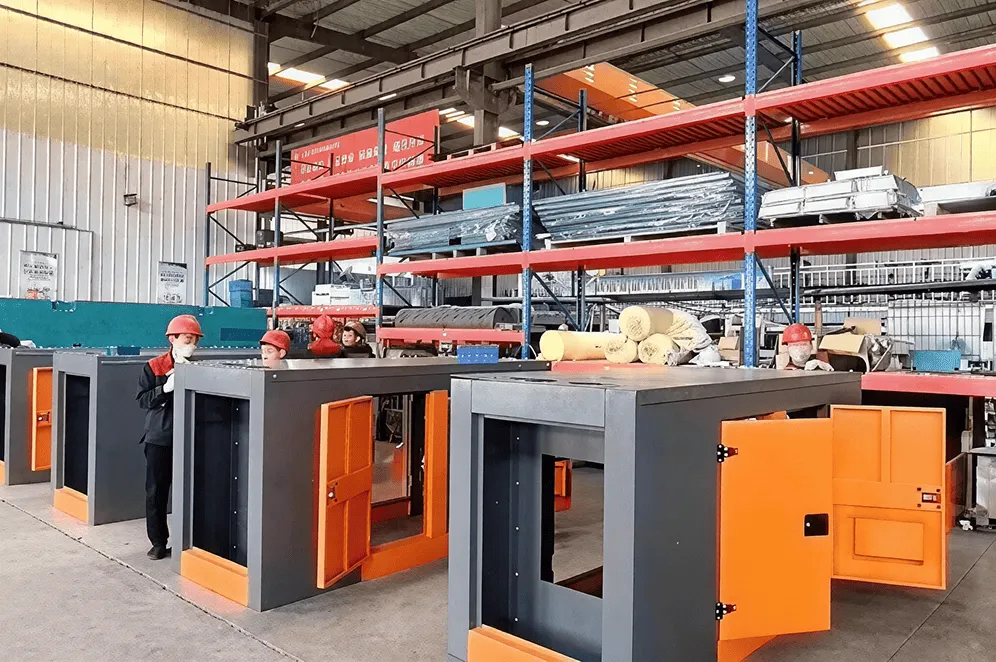
You can buy a generator from a local dealer, a specialist power-equipment supplier, a large retailer, an online marketplace, or directly through an international generator-set supplier. The best channel depends on the generator type, required output, installation scope, destination market, and level of technical and after-sales support you need.
For a small portable unit, a reputable local or online retailer may be sufficient. For a standby, commercial, or industrial generator set, work with a supplier that can review the application, confirm the electrical configuration, document the proposed equipment, and coordinate installation requirements before you order.
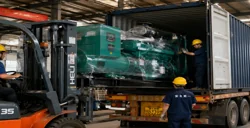
Where Can You Buy a Generator?
Start with the channel that matches the complexity of the purchase. A generator is not only an engine and alternator in a frame. The complete buying decision can involve load calculation, voltage and frequency, enclosure, cooling, fuel system, controls, transfer equipment, site conditions, compliance, delivery, commissioning, spare parts, and service.
| Buying channel | Best suited to | Main advantage | What to check |
|---|---|---|---|
| Local authorized dealer | Home standby and locally supported commercial systems | Site assessment, installation coordination, and local service | Authorization, installation scope, permits, service coverage, and warranty process |
| Specialist generator supplier | Commercial, industrial, construction, telecom, mining, and export projects | Configuration support and project-specific quotation | Technical documents, components, testing, export experience, spare parts, and support |
| Large retail or hardware store | Portable generators and straightforward backup needs | Immediate availability and simple returns | Running and starting watts, outlets, fuel, stock, and service arrangements |
| Online retailer or marketplace | Standard portable units, accessories, and price comparison | Broad selection and convenient comparison | Seller identity, freight damage, warranty eligibility, parts, and return restrictions |
| Used-equipment seller or auction | Experienced buyers with inspection capability | Lower acquisition cost | Hours, load test, maintenance history, leaks, alarms, alternator condition, and parts support |
Choose the Generator Type Before Choosing the Seller
Portable generators
Portable units are commonly sold through dealers, hardware stores, equipment retailers, and online channels. They work well for temporary power, job sites, outdoor work, and limited emergency loads. Compare continuous output, starting output, outlet type, noise, runtime, mobility, and fuel availability. If the unit will connect to building circuits, use properly specified transfer equipment and qualified electrical support.
Standby generators
A standby system normally needs more than a boxed product. Site location, fuel connection, transfer switch, electrical work, local rules, drainage, ventilation, service access, and commissioning can all affect the project. A local authorized dealer or experienced system integrator is usually the most practical channel when installation and continuing service are part of the purchase.
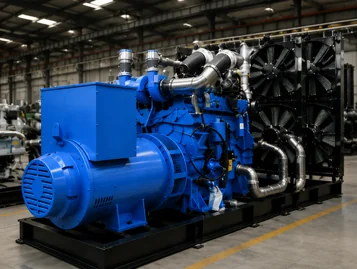
Commercial and industrial generator sets
Professional buyers often need a configured genset rather than a standard retail model. The inquiry may specify prime or standby duty, rated power, voltage, phase, frequency, ambient temperature, altitude, enclosure, noise target, controller, synchronization, automatic transfer, fuel-tank arrangement, and destination requirements. A specialist supplier should convert those requirements into a documented technical offer.
Zentramo supplies generator-set solutions for professional buyers and reviews power, voltage, frequency, application, and installation conditions before confirming a configuration. Buyers can start with the Generator Set category or send project details through the contact page.
How to Decide Which Buying Channel Is Best
1. Define the loads and duty
List the equipment that must operate and record both normal running demand and motor-starting demand. State whether the generator will provide emergency standby power, prime power, or temporary site power. Oversizing can raise purchase and operating costs, while undersizing can cause voltage instability, nuisance trips, overheating, or failure to start important loads.
2. Confirm the electrical configuration
Include required voltage, frequency, phase, outlet or terminal arrangement, and connection method. International buyers should not assume that a unit advertised in one market matches the electrical system at the destination. A quotation should clearly identify the proposed output and controller configuration.
3. Choose a practical fuel
Diesel is common for commercial and industrial applications because fuel logistics, engine availability, and service networks are well established in many markets. Gasoline and dual-fuel models are widely available for portable use, while natural gas or LPG can suit fixed standby systems where a reliable supply exists. Compare local fuel availability, storage rules, runtime, maintenance, and output derating on alternate fuels.
4. Account for the operating environment
Tell the supplier whether the equipment will operate indoors, outdoors, near the coast, at altitude, in high heat, in dusty conditions, or near occupied areas. These conditions can change the enclosure, cooling, filtration, corrosion protection, and acoustic treatment required.
5. Decide how much support you need
A low unit price may exclude engineering review, installation accessories, freight, commissioning, training, service, and spare parts. Compare the complete supply boundary. For an international project, also confirm packing, shipping documents, destination charges, installation responsibility, remote technical support, and the process for ordering consumables and replacement parts.
What to Ask a Generator Supplier Before You Buy
- What exact model and rated output are included in the quotation?
- Is the rating standby, prime, or continuous, and under what reference conditions?
- Which engine, alternator, controller, breaker, and cooling configuration are proposed?
- What voltage, frequency, phase, power factor, and speed will be supplied?
- Are the enclosure, base tank, batteries, charger, silencer, and transfer equipment included?
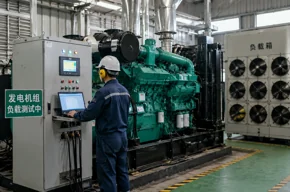
- What tests are performed before dispatch, and which reports or photos can be provided?
- What is excluded, including installation, cables, fuel piping, permits, commissioning, or destination charges?
- How are warranty support, troubleshooting, spare parts, and consumables handled?
- What packing method, delivery term, production schedule, and shipping documents apply?
How to Compare Generator Quotations
Place every offer into the same comparison table. Do not compare headline kilowatts and price alone.
| Comparison item | Why it matters |
|---|---|
| Rated power and duty | Standby and prime ratings are not interchangeable. |
| Electrical output | Voltage, frequency, phase, and power factor must match the application. |
| Major components | Engine, alternator, controller, and breaker choices affect compatibility and service. |
| Included accessories | A lower quote may omit the ATS, fuel tank, charger, cables, silencer, or enclosure. |
| Testing and documents | Test records, drawings, manuals, and packing details reduce project risk. |
| Delivery and support | Lead time, freight, commissioning, parts, and warranty can outweigh a small price difference. |
Should You Buy a Generator Online?
Online buying can work for a standard portable generator when the model, output, outlets, fuel type, warranty, and return process are clear. Inspect the package on arrival and follow the manufacturer’s commissioning instructions.
For a heavy commercial or industrial genset, an online listing should start the inquiry, not replace specification work. Ask for a formal quotation, data sheet, scope of supply, drawings where applicable, packing information, and named support contact.
Is a Used Generator Worth Considering?
A used generator may be economical when the buyer can verify its condition. Request serial information, operating hours, duty history, maintenance records, control-panel alarms, repair history, and a recent load test. Inspect for leaks, corrosion, damaged wiring, weak batteries, cooling problems, abnormal exhaust, and unstable voltage or frequency. Include transport, refurbishment, installation, and unavailable parts in the comparison.
Generator Safety Starts Before Purchase
Portable engine-driven generators create carbon monoxide, electrical, fire, and noise hazards. OSHA advises proper ventilation, keeping the generator dry, using suitable grounding and protective devices, and following the manufacturer’s instructions. Never plan to operate a combustion generator in an enclosed or poorly ventilated space. Building connections and transfer equipment should be designed and installed by qualified professionals under local requirements.
Information to Send When Requesting a Quote
- Application and industry
- Required standby or prime power
- Load list and largest starting load
- Voltage, frequency, phase, and destination country
- Preferred fuel and expected runtime
- Indoor or outdoor installation
- Ambient temperature, altitude, dust, humidity, or coastal exposure
- Open, weatherproof, or sound-attenuated configuration
- Automatic transfer or synchronization requirements
- Quantity, destination, and target schedule
Frequently Asked Questions
Where is the best place to buy a generator?
Buy a portable generator from a reputable retailer or dealer with clear warranty and return support. Buy a standby or industrial generator set from a qualified dealer, integrator, or specialist supplier that can review the application and document the complete scope.
Can I buy a generator directly from an export supplier?
Yes. Specialist export purchasing is practical for configured generator sets, project quantities, and international delivery. Provide detailed electrical, environmental, application, and destination requirements, then compare the complete technical and commercial offer.
What should I avoid when buying online?
Avoid unclear seller identities, incomplete ratings, missing component information, uncertain warranty coverage, vague freight terms, and listings that do not explain what is included. Do not rely only on a model photo or headline power figure.
Do I need installation support?
You normally need professional support when a generator connects to building wiring, uses a transfer switch, requires permanent fuel connections, or must meet site-specific electrical and permitting requirements.
Request a Generator Set Quotation
To discuss a commercial or industrial generator set, send Zentramo your required power, voltage, frequency, phase, fuel preference, application, operating environment, quantity, and destination. The team can review the information, identify points that need confirmation, and prepare a suitable configuration for quotation. Contact Zentramo to begin your project inquiry.