
How Much Does a Home Generator Cost?
A home generator can cost anywhere from about $900 for a basic portable setup to more than $20,000 for a large, permanently installed whole-house system.
For most U.S. homeowners, a realistic planning range is:
| Generator solution | Typical cost range | Best suited for |
|---|---|---|
| Portable generator | $500–$2,500 for the generator | Temporary backup for selected appliances |
| Portable generator with transfer equipment | Approximately $900–$3,800 before additional site work | Safer connection to selected household circuits |
| Permanently installed standby generator | Approximately $6,000–$16,000 installed | Automatic backup for essential circuits or most of the home |
| Large or complex whole-house installation | $20,000 or more | Large homes, high electrical loads or difficult installations |
These figures are planning estimates, not fixed quotations. HomeGuide reports approximately $6,000–$11,000 as a common installed range for whole-house generators, while Generac currently provides a broader $8,000–$16,000 estimated range for a home standby system and installation. HomeGuide, Generac
Your actual cost depends on the generator capacity, the appliances you want to power, fuel availability, transfer equipment and the complexity of the installation.
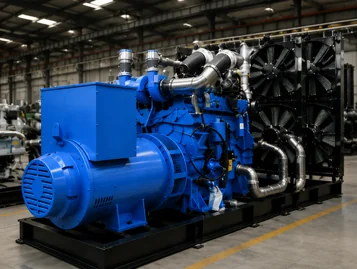
Portable Generator vs. Standby Generator Cost
The first major decision is whether you need a portable generator or a permanently installed standby generator.
Portable generator
A portable generator is usually the lowest-cost option. The generator itself commonly costs around $500–$2,500, depending on its output, fuel system and features.
Additional costs may include:
- Manual transfer switch or interlock equipment
- Exterior power inlet
- Licensed electrical installation
- Extension cords rated for generator use
- Fuel containers and storage
- Weather protection
- Routine maintenance
HomeGuide estimates approximately $400–$1,300 for transfer-switch equipment and installation, although the final price depends on the electrical panel and local labor rates. HomeGuide
A portable generator is generally suitable when you only need to operate essential loads such as:
- Refrigerator and freezer
- Lights and communication equipment
- Sump pump
- Well pump
- Selected outlets
- Small heating equipment
- Window air conditioner
Portable generators normally require manual setup and refueling. They should not be treated as unattended automatic backup systems.
Standby generator
A standby generator is permanently installed outside the home and connected through an automatic transfer switch. When utility power fails, the system can start automatically and supply the selected circuits.
Standby-generator costs normally include:
- Generator unit
- Automatic transfer switch
- Concrete or composite mounting pad
- Electrical wiring and conduit
- Natural-gas or propane connection
- Load-management equipment
- Permits and inspections
- Startup and commissioning
- Installation labor
The Home Depot publishes an average of approximately $6,897 for an air-cooled generator installation and materials, while noting that fuel tanks, site conditions and installation distances can add substantially to the project cost. The Home Depot
For larger homes or difficult sites, the completed project may exceed $20,000. Rehlko notes that large generators and installations involving electrical upgrades, long fuel runs, site preparation or other complex work can push the total well above typical entry-level pricing. Rehlko
What Determines the Cost of a Home Generator?
1. Generator capacity
Generator capacity is one of the largest cost factors. A system designed to run a refrigerator, lights and a sump pump costs much less than one expected to power central air conditioning, electric water heating, cooking equipment and an EV charger simultaneously.
Do not choose capacity based only on the square footage of the house. Two similarly sized homes can have very different electrical loads.
A more reliable calculation considers:
- Running wattage of every required appliance
- Starting wattage of motor-driven equipment
- Which appliances must operate simultaneously
- Whether certain loads can be temporarily switched off
- Future equipment that may be added
Motor loads such as air conditioners, compressors, well pumps and sump pumps may briefly require substantially more power when starting. A preliminary sizing calculation should therefore combine the total running load with the highest applicable starting requirement.
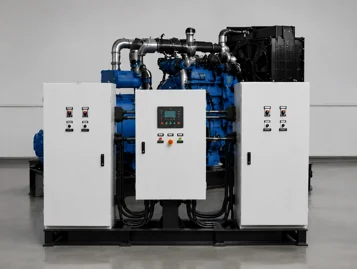
2. Essential-load or whole-home coverage
“Whole-house generator” can describe several different backup strategies.
Essential-circuit backup
Only selected circuits are connected, such as refrigeration, lighting, internet, sump pumps and a furnace blower. This usually requires a smaller generator.
Managed whole-home backup
The generator serves much of the house, but a load-management system prevents several large appliances from starting simultaneously. This can reduce the generator capacity required.
Full simultaneous backup
The system is sized to operate nearly all connected loads at the same time. This may require a larger air-cooled or liquid-cooled generator, heavier electrical equipment and greater fuel capacity.
For many homes, load management offers a better cost-to-performance balance than purchasing the largest available generator.
3. Transfer switch and electrical work
A transfer switch safely changes the home’s electrical supply from the utility grid to the generator.
Its cost depends on:
- Manual or automatic operation
- Electrical current rating
- Number of circuits
- Service-entrance configuration
- Existing panel condition
- Need for load-management modules
- Required meter or panel upgrades
- Distance between the generator and electrical panel
Ask whether the transfer switch, controller and load-management devices are included in the quoted package. A low equipment price may exclude components required for a complete working system.
4. Fuel type and fuel connection
Home generators commonly operate on gasoline, natural gas, propane or diesel. Fuel availability affects both the purchase price and long-term operating cost.
Natural gas
Natural gas avoids on-site refueling where utility service is available. However, the existing gas meter or supply line may need to be upgraded to support the generator’s demand.
Propane
Propane is useful where natural gas is unavailable, but the project may require a storage tank, regulators, piping and tank placement work. The Home Depot estimates that installing a propane tank can add approximately $5,000–$8,000 in some projects. The Home Depot
Gasoline
Gasoline is common for portable generators. It is widely available, but storage life, safe fuel handling and manual refueling must be considered.
Diesel
Diesel systems may suit large residential properties, farms or applications with substantial loads. They can involve higher initial equipment costs, fuel-storage requirements and additional maintenance considerations.
5. Installation distance
The farther the generator is from the electrical panel and fuel source, the more the installation may cost.
Longer distances can require:
- Additional cable and conduit
- Longer gas piping
- Trenching
- Larger conductors
- Additional voltage-drop calculations
- Wall or pavement penetrations
- Landscape restoration
A generator’s location must satisfy applicable clearance, ventilation, noise, service-access and local code requirements. The cheapest physical location is not always an acceptable installation location.
6. Site preparation
The generator needs a stable, level foundation. Depending on the site, preparation may include:
- Concrete or composite pad
- Excavation and grading
- Drainage improvements
- Bollards or physical protection
- Flood-elevation measures
- Snow or vegetation clearance
- Removal of existing structures
- Landscaping restoration
Installation on a steep, narrow or difficult-to-access site can increase labor and equipment costs.
7. Permits, inspections and regional labor
Permit and labor costs vary substantially by city and state. A permanent installation may require electrical, fuel-gas, mechanical, zoning or environmental approvals.
Confirm whether the quotation includes:
- Permit applications
- Inspection fees
- Engineering documents, if required
- Utility coordination
- Final testing
- Sales tax
- Disposal and cleanup
How Much Generator Capacity Do You Need?
Begin by separating household loads into three groups.
| Priority | Typical loads | Buying implication |
|---|---|---|
| Critical | Medical equipment, sump pump, well pump, refrigeration, security system | Must remain available during an outage |
| Important | Heating, selected air conditioning, internet, lighting, home office | Usually included but may be load-managed |
| Optional | Pool equipment, EV charging, electric cooking, secondary HVAC | Can significantly increase generator size |
Create a load schedule listing the running and starting requirements of each item. Equipment nameplates and manufacturer manuals should be used wherever possible.
A qualified installer should then verify:
- The maximum simultaneous running load
- The largest motor-starting requirement
- The home’s service-panel configuration
- Available fuel pressure and capacity
- Whether load shedding can reduce the required generator size
Avoid selecting a generator solely from an online square-footage chart. A detailed load assessment can prevent both undersizing and unnecessary overspending.
Additional Costs of Generator Ownership
The purchase and installation price is only part of the total ownership cost.
Fuel
Fuel consumption changes with:
- Generator capacity
- Actual electrical load
- Fuel type
- Engine efficiency
- Outdoor temperature
- Outage duration
Ask suppliers for fuel-consumption figures at several load levels rather than relying on a single maximum-load number.
Maintenance
Routine service may include:
- Engine oil and filter replacement
- Air-filter replacement
- Spark-plug inspection
- Starting-battery testing or replacement
- Cooling-system maintenance
- Fuel-system inspection
- Transfer-switch testing
- Software or controller checks
- Periodic load testing
The maintenance interval should be confirmed in operating hours and calendar time.
Battery replacement
Automatic standby generators normally use a battery for engine starting and controller functions. Battery life depends on climate, charging conditions and maintenance.
Extended warranty or service agreement
Before purchasing an extended plan, compare:
- Parts coverage
- Labor coverage
- Travel charges
- Emergency response
- Preventive maintenance
- Battery coverage
- Transfer-switch coverage
- Exclusions for fuel or installation problems
Safety and Installation Requirements
Permanent standby generators should be installed and commissioned by appropriately qualified electrical and fuel-system professionals.
Portable generators require particular attention to carbon-monoxide and electrical hazards. The U.S. Consumer Product Safety Commission advises operating portable generators outdoors and at least 20 feet away from the home, with exhaust directed away from the building. It also recommends working carbon-monoxide alarms on every level and outside sleeping areas. U.S. Consumer Product Safety Commission
Never operate a portable generator in a house, garage, basement, shed or other enclosed space. Never connect one directly to household wiring without approved transfer equipment installed for that purpose.
How to Compare Home Generator Quotes
Request itemized quotations based on the same load requirements. Otherwise, two quotes may describe entirely different systems.
Use the following checklist:
- Generator brand, model and rated capacity
- Fuel type and fuel-pressure requirements
- Capacity on the intended fuel
- Automatic or manual transfer switch
- Transfer-switch rating
- Included load-management modules
- Concrete or composite mounting pad
- Gas piping and electrical cable allowances
- Trenching length and surface restoration
- Gas-meter, propane-tank or regulator upgrades
- Electrical-panel or service upgrades
- Permit and inspection fees
- Delivery and lifting charges
- Startup and commissioning
- Owner training
- Remote monitoring equipment and subscriptions
- Generator warranty
- Installation-workmanship warranty
- First-year maintenance
- Taxes and explicitly excluded work
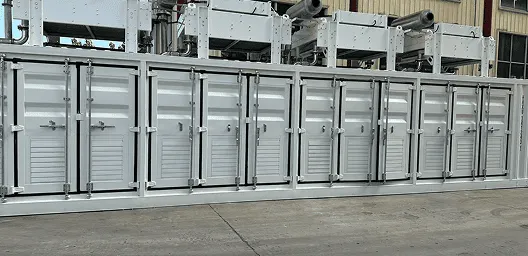
Is a Home Generator Worth the Cost?
A home generator is more likely to justify its cost when the property has:
- Frequent or prolonged power outages
- Medical equipment requiring continuous power
- A sump pump or flood risk
- A private well
- Temperature-sensitive occupants
- Refrigerated medicines or valuable food storage
- A home office or essential communications equipment
- Security, access-control or monitoring systems
- Livestock, workshop or property-management loads
For occasional short outages, a properly connected portable generator may be sufficient. For frequent outages or unattended properties, an automatic standby generator can provide greater continuity and convenience.
The best system is not necessarily the one with the highest output. It is the smallest properly engineered system that can support the required loads safely and reliably.
Get an Accurate Home Generator Cost
For initial budgeting, allow approximately $500–$2,500 for a portable generator and around $6,000–$16,000 for a typical installed standby system. Large generators, propane-storage installations, long utility runs and major electrical upgrades can raise the completed cost above $20,000.
Before requesting a quotation, prepare:
- A list of appliances and equipment requiring backup power
- Photos of the electrical panel, gas meter and proposed installation area
- Available fuel information
- Approximate distances to the panel and fuel source
- Outage frequency and expected operating duration
- Any future loads, such as an additional HVAC system or well pump
Submit the same information to qualified generator suppliers or installers and request an itemized, site-specific proposal covering equipment, installation, permits, commissioning, warranty and ongoing service.