

A generator can cost around $500 for a portable unit, while a professionally installed home standby system can cost $8,000–$16,000, according to Generac’s U.S. installation guidance. The difference comes from more than power output: a permanent system also needs transfer equipment, site preparation, electrical work, and a fuel connection. Portable generator prices, Generac installation guidance.
To build a useful budget, separate three costs: buying the generator, making it ready to operate, and keeping it running. A low equipment price may leave substantial work outside the quotation.
The examples below use U.S. dollars and publicly listed U.S. prices checked in September 2026. Equipment prices and installed project budgets are identified separately.
Generator Prices by Type
| Generator type | Published price examples | What the price covers |
|---|---|---|
| Conventional portable generator | Selected Westinghouse 5,300-running-watt models: $529–$649 | Equipment; household connection work is additional |
| Compact inverter generator | Honda EU2200i: $1,199 MSRP | Equipment; accessories and any building connection are additional |
| Larger inverter generator | Honda EU7000iS: $4,899–$4,999 MSRP, depending on version | Equipment; installation is additional |
| Home standby generator | Generac 10 kW: starting at $3,769, or $4,619 with a transfer switch | Listed equipment package |
| Installed home standby system | Generac guidance: $8,000–$16,000 | Generator, system equipment, materials, and installation |
| Commercial or industrial generator | Obtain a project-specific quotation | Define capacity, duty rating, fuel system, controls, and installation scope |
These are specific product examples and manufacturer guidance, rather than minimum and maximum prices for the entire market. Home Depot portable listings, Honda inverter generators, Generac standby equipment prices, Generac installed costs.
How Much Does a Whole-House Generator Cost?
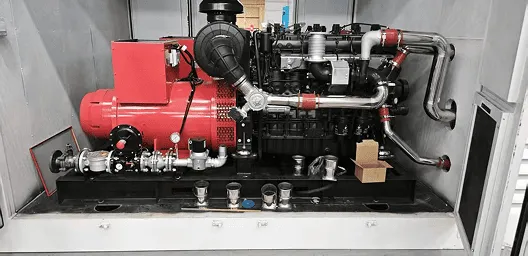
For initial budgeting, Generac’s $8,000–$16,000 installed range provides a useful reference for a U.S. home standby project. Your quotation will depend on the required capacity, installation location, fuel supply, and local labor costs. Generac home standby buying considerations.
“Whole-house” does not identify a fixed generator size. One property may need backup for refrigeration, lighting, a well pump, and heating controls. Another may need multiple air conditioners, electric cooking, and water heating at the same time.
Before requesting prices, decide which level of coverage you need:
- Essential circuits: Keep selected loads operating during an outage.
- Managed household backup: Support more circuits while controlling which large loads run together.
- Simultaneous whole-house coverage: Size the system around the loads expected to operate together, including startup demand.
An installer should assess the load requirements before selecting a model. Floor area alone does not capture appliance demand or motor starting requirements. Cummins generator sizing guidance.
What About a 20 kW or 22 kW Generator?
A capacity label does not establish the installed price. For a 20 kW or 22 kW quotation, ask whether the price includes the automatic transfer switch, base, fuel piping, electrical connection, permits, and commissioning.
Compare the generator’s rated output on the fuel you intend to use. Also ask which major loads the proposed system can support simultaneously. This makes competing quotations easier to assess than comparing model numbers alone.
How Much Does Generator Installation Cost?
Installation is a separate budget item unless the seller explicitly includes it. A generator advertised with a transfer switch still requires installation labor and materials.
A complete standby quotation should identify the following:
| Cost item | What to clarify before ordering |
|---|---|
| Site preparation | Base or pad, ground preparation, and equipment access |
| Transfer equipment | Switch model, rating, and included controls |
| Electrical work | Cable routing, connection distance, and panel modifications |
| Fuel connection | Gas piping or propane supply requirements |
| Permits and inspections | Responsibility for applications, fees, and inspections |
| Delivery and positioning | Unloading, lifting, and placement |
| Commissioning | Startup, outage simulation, and operating handover |
Generac identifies site preparation, fuel connections, transfer equipment, and testing as parts of its installation process. It also notes that proximity to the gas line and electrical meter can affect installation costs. Generac installation process.
For portable generators, ask an electrician to quote any connection to building wiring separately. Never plug a generator into a household wall outlet to feed the building; this practice can energize utility lines and create an electrocution hazard. CPSC portable generator safety guidance.
What Makes One Generator More Expensive Than Another?
Power Output and Starting Demand
Compare running power with running power. A prominently advertised starting-watt figure describes temporary capability and should not be treated as continuous output.
Loads such as pumps and air-conditioning compressors can require additional power when starting. For commercial equipment, the load sequence and acceptable voltage dip can also influence generator selection. Cummins generator sizing white paper.
A useful quotation request includes a load list with operating power, starting requirements, and the equipment expected to run together.
Equipment Features
Compare what each package includes: inverter technology, electric starting, remote controls, fuel options, enclosure, outlets, and transfer equipment.
The published examples above show why price per advertised watt can mislead. A compact inverter model may cost more than a higher-output conventional portable unit. The appropriate comparison depends on the required features and operating conditions.
Application and Duty Rating
For commercial and industrial purchases, specify whether the generator will provide emergency standby power or serve as a regular power source.
Standby, prime, and continuous ratings describe different operating duties. Comparing suppliers using different ratings can produce an apparent price advantage for a package that does not meet the intended application. Cummins application manual.
Installation Conditions
Two buyers ordering the same generator can receive different installed prices. Longer cable routes, difficult equipment access, additional fuel infrastructure, and electrical modifications change the project scope.
Request a site assessment before treating an online equipment price as a complete budget.
How Much Does a Generator Cost to Run?
Fuel expense depends on consumption at the actual load, operating hours, and the local fuel price.
Fuel cost = fuel consumed per hour × price per unit of fuel × operating hours
For example, assume a generator consumes 0.75 gallons per hour, fuel costs $4 per gallon, and operation totals 8 hours:
0.75 × $4 × 8 = $24 in fuel
This is a calculation example, not a consumption claim for a particular model or a current fuel-price quotation. Replace the assumptions with the manufacturer’s consumption data and your local price.
For diesel generator comparisons, calculate fuel cost per kilowatt-hour:
Fuel cost per kWh = hourly fuel consumption × fuel price ÷ actual electrical output in kW
Use actual output at the stated load rather than the generator’s maximum nameplate capacity. Ask suppliers to provide consumption figures at matching load points so the comparison is consistent.
Include Maintenance in the Budget
Request the maintenance schedule and a service quotation for your expected usage. Identify which charges cover routine service and which remain additional, including consumables, batteries, travel, emergency callouts, and repairs.
For a multi-year comparison, use:
Ownership cost = equipment + installation + fuel + maintenance + repairs − expected resale value
For a business, assess the value of backup power separately by estimating the losses an outage could cause, such as spoiled stock or interrupted production.
How Much Does a Commercial or Diesel Generator Cost?
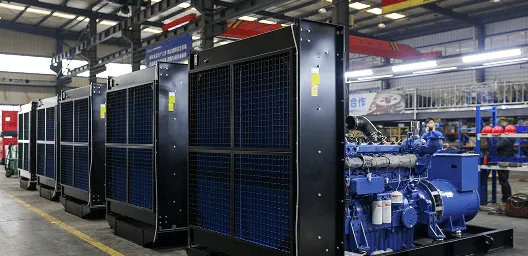
Commercial generator purchasing requires a defined specification before a price becomes useful. A “100 kW diesel generator” quotation should state the duty rating, voltage, frequency, phase, enclosure, fuel tank, and controls.
Ask competing suppliers to price the same scope:
- Rated kW and kVA for the required operating duty.
- Site conditions and motor starting requirements.
- Engine, alternator, and controller models.
- Enclosure and noise requirements.
- Fuel storage and required operating duration.
- Transfer switch or other switchgear.
- Testing, commissioning, warranty, and service support.
Cummins identifies load characteristics, duty cycle, altitude, temperature, fuel, phase, voltage, and frequency as relevant sizing parameters. These details help establish whether quoted packages are technically comparable. Cummins sizing parameters.
For imported equipment, request a clear delivery scope. List freight, insurance, destination charges, applicable duties and taxes, inland transport, unloading, and local installation separately. A factory quotation and an installed domestic quotation cover different purchasing stages.
How Can You Reduce the Total Cost?
Start by separating essential loads from loads that can wait. Have the supplier evaluate whether load sequencing or load management can reduce the required capacity while maintaining the coverage you need.
Compare quotations with the same equipment and installation scope. A cheaper offer may exclude the transfer switch, fuel work, delivery, or commissioning.
For temporary use, compare a rental quotation with the full cost of ownership. Include delivery, collection, accessories, fuel arrangements, and rental-period limits.
For portable equipment, account for a safe operating location before buying. CPSC advises operating portable generators outdoors, at least 20 feet from the home, with exhaust directed away from buildings. Never operate one inside a house or garage. CPSC portable generator precautions.
Questions to Ask Before Accepting a Generator Quote
| Question | Why it matters |
|---|---|
| Is this equipment-only or fully installed pricing? | Establishes the actual purchase scope |
| What loads will the system support together? | Connects price to useful capacity |
| Are output figures running, starting, standby, or prime ratings? | Prevents mismatched comparisons |
| Are transfer equipment and fuel connections included? | Identifies major additional costs |
| What fuel consumption applies at the expected load? | Supports operating-cost calculations |
| Who handles commissioning and warranty service? | Clarifies support responsibilities |
| What charges remain outside the quotation? | Helps establish the final project budget |
To obtain an accurate generator quotation, send your supplier the installation location, load list, available fuel, voltage and phase requirements, expected operating hours, and desired backup coverage. Request separate prices for the equipment, delivery, installation, commissioning, and maintenance so you can compare the complete cost.