KTTA19 vs QSK60 can be summed up quickly: KTTA19 is a compact 19-liter inline‑6 suited to mid‑payload BelAZ trucks, delivering moderate power with simpler mechanical systems.
QSK60 is a 60‑liter V16 for large‑payload BelAZ trucks, offering far higher horsepower and torque, but demands bigger cooling, stronger driveline, and electronic integration.
For engine replacement, match the engine to your truck’s payload class and chassis. Upgrading to QSK60 from KTTA19 typically requires major system changes; downgrading risks underpowering and reduced productivity.
What is KTTA19
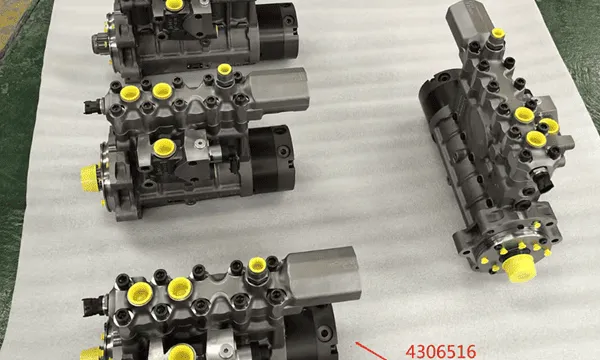
KTTA19 is a Cummins 19‑liter, inline‑6 mining/industrial engine known for robust mechanical architecture and straightforward serviceability. It typically powers mid‑class haul trucks and auxiliary equipment, delivering reliable torque with simpler fuel systems.
In many applications, it’s configured with turbocharging and aftercooling, mechanical unit injection, and minimal electronics. This makes it easier to maintain in remote sites and tolerant of fuel variability.
Typical ratings span the mid‑hundreds of horsepower with strong low‑end torque for tractive effort. Its smaller footprint, lighter weight, and moderate heat rejection suit BelAZ frames in the ~45–90‑ton payload range. Parts availability is broad due to long production history, and overhaul procedures are well‑understood by mine maintenance teams.
What is QSK60?
QSK60 is a Cummins 60‑liter V16 high‑horsepower engine designed for large mining haul trucks, often in 130–220‑ton payload classes. It delivers 1,800–2,700+ hp (depending on build) and very high torque for steep grades and long cycles.
QSK60 platforms use advanced electronic controls (ECM), high‑pressure fuel systems, and modern emissions strategies (e.g., Tier 2–Tier 4 Final variants with SCR). Expect greater heat rejection, larger cooling packages, and heavier engine/transmission mounts.
Its electronic architecture integrates with modern BelAZ instrumentation via J1939 CAN. While fuel consumption per hour is high, productivity per ton‑kilometer can be superior in the right duty cycle, making it a standard choice for big fleets prioritizing cycle time and fleet efficiency.

How KTTA19 and QSK60 Work / Are Built
Both engines convert diesel energy into mechanical work via turbocharged, aftercooled compression‑ignition cycles, but their architectures diverge. KTTA19 is an inline‑6 with simpler mechanical injection and fewer electronic dependencies. QSK60 is a V16 with electronic common‑rail or advanced injection, modular components, and extensive sensors. Key differences:
- Architecture: I‑6 (KTTA19) vs V16 (QSK60)
- Fuel system: Mechanical vs electronically controlled high‑pressure
- Controls: Minimal electronics vs ECM with CAN integration
- Cooling: Moderate vs high heat rejection requiring larger radiators and CAC
- Mounting: Smaller footprint vs heavy‑duty mounts and driveline upgrades
This means QSK60 offers much higher performance but requires comprehensive chassis and systems compatibility.
Side‑by‑Side Snapshot: KTTA19 vs QSK60 (typical ranges; verify against your exact build)
| Attribute | KTTA19 | QSK60 |
|---|---|---|
| Displacement | ~19 L, inline‑6 | ~60 L, V16 |
| Typical Power | ~500–800 hp (varies by build) | ~1,800–2,700+ hp (application dependent) |
| Typical Peak Torque | High for class; suited to mid‑payload | Extremely high; suited to large‑payload |
| Dry Weight | Lower; easier handling | Significantly higher; heavy mounts |
| Electronics | Limited/none (mechanical) | Full ECM, sensors, CANbus |
| Cooling Demand | Moderate | Very high; large cooling module |
| Emissions Options | Older tiers/common export specs | Tier 2–Tier 4F variants available |
| Best Fit | BelAZ ~45–90 t payload | BelAZ ~130–220 t payload |
Performance and Productivity
- KTTA19: Adequate power for moderate gradients and shorter cycles; strong low‑speed tractability.
- QSK60: High horsepower and torque reduce cycle time, sustain speed on grades, and improve fleet throughput.
Fitment and Installation on BelAZ
- KTTA19: Typically compatible with mid‑class frames; minor upgrades to cooling/exhaust may suffice.
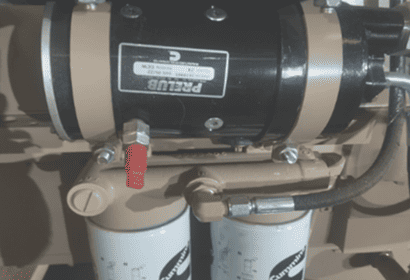
- QSK60: Requires larger radiators and charge‑air coolers (CAC), stronger engine mounts, compatible transmission/torque converter, upgraded axles, and reinforced cooling airflow. Electrical harnesses, ECM placement, and CAN integration are mandatory.
Fuel Use and Emissions
- KTTA19: Lower hourly fuel burn; simpler exhaust aftertreatment (often none). Emissions compliance depends on build and region.
- QSK60: Higher hourly fuel burn; better fuel‑to‑work efficiency at high payloads. Tier 4F variants use SCR/aftertreatment; ensure DEF and service plan if required.
Reliability, Service, and Overhaul
- KTTA19: Proven platform with straightforward diagnostics; mechanical systems favored in remote sites.
- QSK60: Robust but more complex; requires ECM diagnostics, trained technicians, and strict cooling system care. Overhaul intervals depend on duty cycle and filtration quality.
Cost and Total Cost of Ownership (TCO)
- KTTA19: Lower acquisition cost and simpler maintenance; potential productivity limits in heavy duty cycles.
- QSK60: Higher acquisition and installation cost; potential TCO advantage when higher payloads and faster cycles increase revenue per hour.
Operating Environment and Safety
- KTTA19: Better for sites with limited support infrastructure.
- QSK60: Needs clean fuel, high‑capacity cooling, reliable electrical power, and well‑maintained fire suppression due to higher heat load.
Support, Parts, and Availability
- KTTA19: Wide parts availability across many regions; legacy expertise common.
- QSK60: Strong global support via Cummins mining network; ensure site readiness for electronic diagnostics and aftertreatment service.
Which One Should You Choose?
Choose KTTA19 if your BelAZ is in the mid‑payload class, you prioritize simpler mechanics, and your site has limited electronic diagnostics capability. Choose QSK60 if your truck is large‑payload, you need maximum horsepower/torque, and you can support advanced cooling and ECM systems.
Practical decision points:
- Payload class and cycle time targets
- Existing driveline strength and cooling capacity
- Site capability for ECM, CANbus, and aftertreatment
- Fuel quality and filtration standards
- Budget for installation and TCO vs productivity gains
When in doubt, align engine choice to the truck’s OEM payload class and consult BelAZ/Cummins integration bulletins.
FAQ
Can a KTTA19 replace a QSK60 in a large BelAZ?
Technically possible only if you accept a major performance downgrade. You’ll likely need driveline recalibration and may risk underpowered operation, longer cycles, and higher wear. Not recommended for >130‑ton classes.
Can a QSK60 upgrade fit a BelAZ originally using KTTA19?
Only with substantial changes: cooling package, mounts, transmission/axles, electrical harness/ECM, and often frame modifications. Plan engineering review and OEM approval.
What’s the difference between KTTA19 and QSK60 in maintenance?
KTTA19 favors mechanical service and simpler diagnostics. QSK60 requires ECM tools, sensor checks, strict cooling system maintenance, and aftertreatment care (Tier 4F).
Which engine is more fuel‑efficient?
Per hour, KTTA19. Per ton‑kilometer in large‑payload service, QSK60 can be more efficient if cycles and grades utilize its power.
Do emissions regulations affect the choice?
Yes. For regulated markets, QSK60 Tier 4F may be required. KTTA19 variants may not meet current standards; verify local rules and engine certification.
Summary
KTTA19 vs QSK60 comes down to payload, productivity, and site capability.
KTTA19 suits mid‑class BelAZ trucks with simpler maintenance and lower hourly fuel burn. QSK60 powers large‑class trucks, delivering superior performance and fleet throughput—if you can support its cooling, electronics, and aftertreatment.
Next steps: confirm your BelAZ model and payload class, audit cooling and driveline capacity, and consult Cummins/BelAZ technical documentation to finalize a compliant, reliable swap.